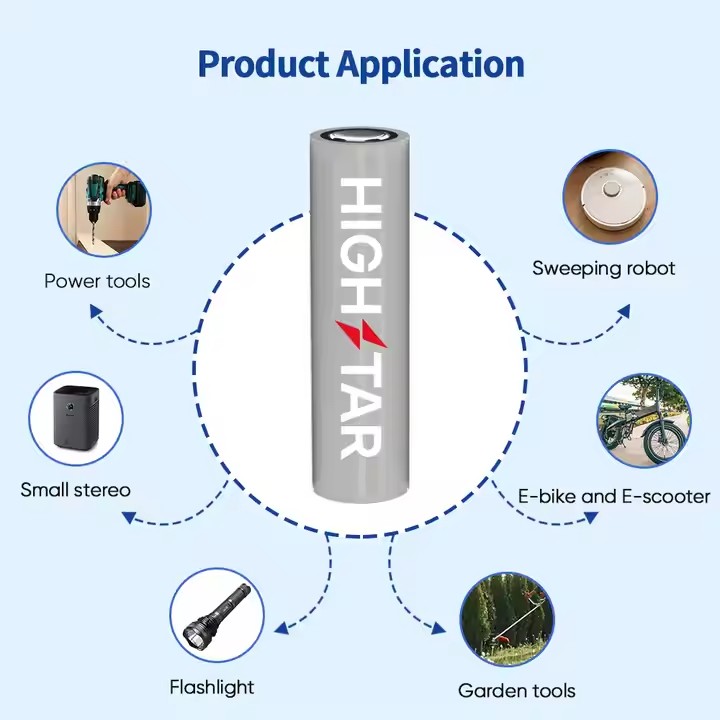
In the fast-evolving world of battery technology, Low-Power NMC Cells have become a staple in energy storage solutions, portable electronics, and light electric vehicles. These cells, known for their high stability and moderate energy density, are particularly favored in applications where efficiency and longevity outweigh raw power output. For businesses seeking to optimize costs and inventory management, bulk buying Low-Power NMC Cells offers both economic and operational advantages. This guide explores the benefits, procurement strategies, and technical considerations for bulk purchases of low-power NMC cells.
Understanding Low-Power NMC Cells
NMC (Nickel Manganese Cobalt) cells are a type of lithium-ion battery that balances the strengths of its constituent metals: nickel for energy density, manganese for structural stability, and cobalt for safety and cycle life. While high-power NMC cells are designed to deliver rapid energy discharge suitable for electric vehicles and power tools, low-power NMC cells prioritize gradual energy release, longer lifespans, and improved safety. These characteristics make them ideal for:
-
Smart home devices
-
Wearable electronics
-
Energy storage for renewable solutions
-
Low-speed electric scooters or bikes
-
Remote sensors and IoT devices
By understanding the technical profile of low-power NMC cells, businesses can align procurement decisions with product requirements, avoiding over-specification that increases costs unnecessarily.
Advantages of Bulk Buying Low-Power NMC Cells
1. Cost Efficiency
One of the most immediate benefits of bulk purchasing is the reduced cost per cell. Manufacturers often provide volume discounts, which can translate into substantial savings for businesses that maintain large inventories. Beyond the sticker price, bulk procurement also reduces logistics costs, as shipping multiple small orders over time is more expensive than a single consolidated shipment.
2. Supply Chain Security
In recent years, lithium-ion battery supply chains have faced disruptions due to raw material shortages, trade restrictions, and global logistics challenges. Bulk buying ensures a steady supply of low-power NMC cells, reducing the risk of production halts or delayed product releases. This is especially critical for businesses with continuous manufacturing cycles or subscription-based products.
3. Inventory Management and Scalability
Maintaining a sufficient stock of batteries allows manufacturers and distributors to scale production without frequent procurement delays. Bulk buying also helps standardize inventory, making quality control simpler and reducing the complexity of storage and compatibility issues.
4. Quality Assurance
Purchasing in bulk from a trusted supplier often comes with guaranteed batch consistency, including uniform capacity, voltage levels, and internal resistance. This reduces variability in end products and ensures consistent performance across devices.
Key Considerations Before Bulk Purchasing
While bulk buying presents clear advantages, there are several factors that businesses should evaluate to ensure a successful procurement strategy.
1. Supplier Selection
Not all NMC cell suppliers are created equal. Key criteria for selection include:
-
Certifications: Look for ISO 9001, UL, CE, or IEC certifications to ensure compliance with safety and quality standards.
-
Experience and Track Record: Established manufacturers with a history in NMC production are more reliable than new entrants.
-
Customization Capabilities: Some suppliers offer customized voltage ranges, capacity ratings, and form factors to match specific product needs.
-
After-Sales Support: Efficient warranty policies and technical support can prevent downtime during battery deployment.
2. Technical Specifications
Understanding the exact specifications required for your application is crucial. Important parameters include:
-
Nominal voltage (usually 3.6V or 3.7V for NMC cells)
-
Capacity (mAh) and energy density
-
Maximum charge and discharge rates
-
Cycle life (number of charge/discharge cycles before significant capacity loss)
-
Temperature tolerance and safety features
By clearly defining these specifications, companies can avoid overpaying for high-performance cells they do not need or purchasing insufficiently rated cells that compromise safety and performance.
3. Storage and Handling Requirements
Bulk buying means storing potentially hundreds or thousands of cells. Low-power NMC cells require:
-
Temperature-controlled storage: Avoid extreme heat or freezing temperatures.
-
Humidity control: Prevent moisture ingress that could degrade internal chemistry.
-
Safe stacking and spacing: Avoid short circuits and mechanical damage.
Proper storage infrastructure ensures the longevity of cells and prevents losses due to degradation or accidents.
4. Regulatory Compliance
Many regions impose strict regulations for the transportation and storage of lithium-ion cells. Bulk shipments often fall under hazardous materials categories, requiring:
-
UN 38.3 certification for air transport
-
Proper packaging according to IATA or ADR guidelines
-
Labeling for battery chemistry, voltage, and capacity
Failing to comply with these regulations can result in fines, shipping delays, or confiscation of shipments.
Strategies for Cost-Effective Bulk Purchasing
1. Forecast Demand Accurately
Before committing to large orders, conduct a detailed demand forecast. Consider current production needs, projected growth, seasonal variations, and product lifecycle. Overestimating demand can lead to storage costs and potential obsolescence, while underestimating may cause production bottlenecks.
2. Negotiate Volume Discounts
Many suppliers are willing to provide tiered pricing structures for bulk orders. Negotiation points can include:
-
Discount percentages for orders exceeding specific quantities
-
Extended payment terms
-
Free shipping or reduced logistics costs
-
Inclusion of testing or quality assurance reports
3. Establish Long-Term Partnerships
Building a strong relationship with a supplier can secure priority allocation during shortages and often results in better pricing over time. Long-term agreements can also include support for co-engineering or custom packaging.
4. Consolidate Shipments
If sourcing from multiple suppliers, consider consolidated shipping. This approach reduces per-unit transportation costs, simplifies customs clearance, and minimizes the risk of shipping errors.
Applications of Low-Power NMC Cells
Understanding how low-power NMC cells are used can inform purchasing decisions. Some notable applications include:
1. Consumer Electronics
Devices such as smartwatches, remote controls, wireless headphones, and IoT devices benefit from low-power NMC cells because they offer:
-
Long operational life per charge
-
Minimal self-discharge
-
Stable voltage output
2. Renewable Energy Storage
Low-power NMC cells are increasingly used in home solar energy systems and microgrid storage. Their advantages include reliability, moderate cost, and safe, long-term performance for low-to-moderate energy demands.
3. Light Electric Vehicles
For electric bicycles, scooters, and neighborhood electric vehicles (NEVs), low-power NMC cells provide:
-
Sufficient energy for moderate speeds
-
Safe charging and discharging cycles
-
Longevity suitable for daily commuting
4. Medical and Safety Devices
Equipment such as portable monitors, infusion pumps, and emergency response devices rely on low-power NMC cells for:
-
Predictable energy output
-
Minimal risk of overheating
-
Dependable cycle life under controlled loads
Best Practices for Bulk Inventory Management
After procuring a large batch of cells, managing the inventory is critical for maximizing value and safety.
-
Rotate Stock: Implement FIFO (First In, First Out) policies to prevent older cells from remaining unused.
-
Regular Testing: Perform random capacity and voltage tests to ensure batch integrity.
-
Proper Labeling: Include batch numbers, manufacturing dates, and safety warnings to facilitate tracking and compliance.
-
Safe Disposal: Have protocols for recycling or safely disposing of defective or expired cells, in compliance with environmental regulations.
Common Pitfalls in Bulk Purchasing
While bulk buying has clear benefits, businesses must be aware of potential pitfalls:
-
Over-ordering: Excess inventory may degrade over time, leading to financial loss.
-
Supplier Reliability Issues: Not all suppliers maintain consistent quality; verifying credentials and testing samples before committing to bulk orders is critical.
-
Compliance Failures: Ignoring transportation and storage regulations can result in legal complications.
-
Market Volatility: Prices of NMC materials (nickel, manganese, cobalt) fluctuate; long-term contracts may lock in costs but risk overpaying if prices drop.
Conclusion
Bulk buying Low-Power NMC Cells presents an opportunity for businesses to reduce costs, secure supply chains, and streamline production. By carefully selecting suppliers, understanding technical requirements, and implementing best practices in storage and inventory management, companies can leverage the benefits of bulk purchasing without compromising safety or quality.
As industries increasingly embrace IoT devices, renewable energy storage, and light electric vehicles, low-power NMC cells will continue to play a pivotal role. Businesses that invest wisely in bulk procurement today are positioning themselves for long-term efficiency, competitiveness, and innovation.
www.highstar-lithium.com
highstar-lithium
About Author