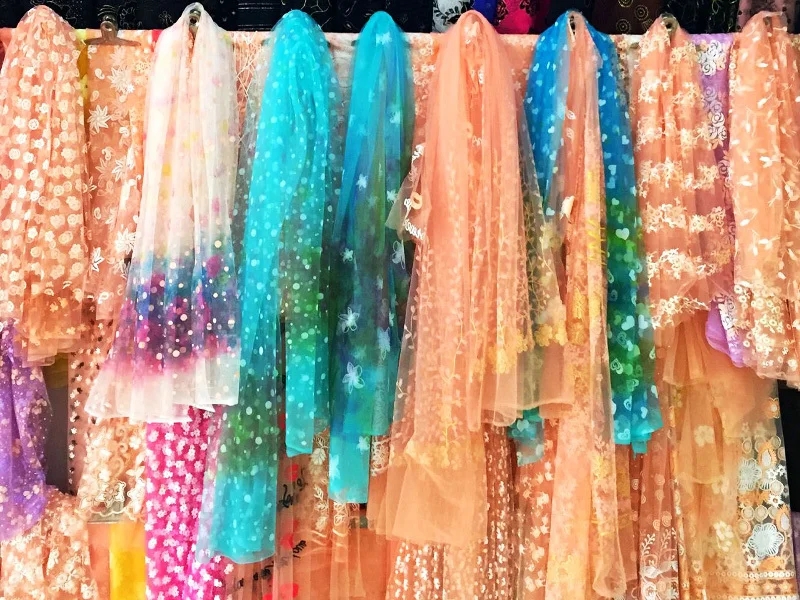
The textile industry continues to evolve as manufacturers and designers seek new ways to combine visual appeal, practical performance, and environmental responsibility. Among the latest developments, 3D printed flocking fabric is attracting increasing attention. By integrating advanced printing technology with conventional flocking techniques, this innovative textile solution creates distinctive surface effects, improves material functionality, and provides greater flexibility for modern product design.
As manufacturing technology advances, 3D printed flocking is opening up new opportunities for industries that require customized textures, reliable performance, and more sustainable production methods.
Understanding the Development of 3D Printed Flocking
Traditional flocking is a textile surface treatment process in which short fibers are attached to a substrate using adhesive. The result is a soft, textured finish with a distinctive velvet-like appearance. This technique has been widely adopted in automotive components, clothing, furniture, decorative products, and various industrial applications.
The introduction of 3D printing technology has significantly expanded the possibilities of traditional flocking. Instead of relying entirely on conventional application methods, manufacturers can use precision printing techniques to create customized adhesive patterns and more sophisticated surface structures.
This combination makes it possible to develop textiles with detailed graphics, raised textures, layered patterns, and specialized functional characteristics. It also gives designers greater control over the final appearance and performance of flocked materials.
Major Benefits of 3D Printed Flocking Fabric
3D printed flocking fabric offers several advantages that make it an attractive option for manufacturers across different industries.
1. Greater Design Freedom and Customization
One of the most important benefits of 3D printing is its ability to produce highly detailed and customized patterns. Designers can develop complex geometric designs, decorative graphics, textured surfaces, and unique visual effects that are difficult to achieve through conventional flocking processes.
Manufacturers can also adjust pattern dimensions, fiber distribution, and surface details according to individual project requirements. This flexibility is particularly valuable for fashion brands, automotive suppliers, furniture manufacturers, and companies developing customized consumer products.
2. Improved Durability and Surface Performance
The overall quality of flocked fabric depends on several factors, including the substrate, adhesive formulation, fiber characteristics, and production conditions.
When suitable materials and optimized bonding techniques are used, 3D printed flocking fabrics can offer good abrasion resistance, surface stability, and long-term visual consistency. Proper adhesive application helps secure the flock fibers, reducing the likelihood of fiber loss during normal use.
Depending on the intended application, manufacturers can also customize the surface to achieve specific tactile properties, including softness, grip, and cushioning.
3. More Sustainable Manufacturing Opportunities
Sustainability has become an increasingly important consideration throughout the global textile supply chain. Manufacturers are exploring recyclable raw materials, more efficient production processes, and environmentally responsible material sourcing.
3D printed flocking technology can help reduce unnecessary adhesive application by placing materials only in designated areas. This approach may improve resource utilization and reduce production waste.
Huizhou Baolongxing Flocking Co., Ltd. also emphasizes sustainable material development, with materials certified under recognized ISCC and GRS standards. These certifications support more responsible material sourcing and provide additional assurance for buyers looking for environmentally conscious textile solutions.
Where 3D Printed Flocking Fabric Is Used
The combination of decorative flexibility and functional performance allows 3D printed flocking fabric to serve a wide range of applications.
1. Fashion and Clothing
In the fashion industry, surface texture plays an important role in product differentiation. 3D printed flocking enables designers to introduce raised patterns, soft-touch details, and distinctive decorative elements into garments and accessories.
It can be incorporated into jackets, footwear, handbags, and other fashion products to create a more dimensional appearance. Customized flocking designs also help brands develop distinctive collections and strengthen their visual identity.
2. Automotive Interior Components
Automotive manufacturers use flocked materials to improve both the appearance and functionality of interior components. Common applications include dashboard elements, door panels, storage compartments, and other interior surfaces.
Flocking can provide a softer tactile finish, improve surface grip, and help reduce unwanted friction or noise in selected applications. With precision printing technology, manufacturers can also develop customized flocking patterns that match different vehicle interior designs.
3. Home Decoration and Furniture
In residential and commercial interiors, flocked fabrics offer an attractive combination of softness and decorative appeal. They can be used in upholstery, curtains, decorative wall coverings, and furniture accessories.
3D printing expands the range of available patterns and textures, allowing designers to create customized interior products that complement different architectural and decorative styles.
4. Industrial and Functional Products
Beyond decorative applications, flocked materials can provide practical benefits in industrial environments. Depending on the substrate and material configuration, flocking can be used for anti-slip surfaces, protective layers, cushioning components, and contact surfaces for sensitive products.
The ability to control flocking patterns through precision printing makes it easier to develop materials that meet specific functional requirements.
Why Combine 3D Printing with Traditional Flocking Technology?
The integration of 3D printing and flocking is valuable because it addresses several limitations associated with conventional textile surface treatment.
1. More Accurate Adhesive Application
Precision printing allows adhesive to be deposited in predetermined areas rather than being distributed across the entire substrate. Flock fibers can then attach to the designated adhesive regions, creating more controlled patterns and reducing unnecessary material consumption.
This method also helps manufacturers maintain consistency when producing customized designs.
2. Faster Product Development and Prototyping
Developing new textile patterns through traditional manufacturing methods can require considerable preparation and repeated adjustments.
With 3D printing, designers can modify digital patterns and produce samples more efficiently. Different textures, layouts, and visual effects can be evaluated before manufacturers proceed with larger production runs.
This shortens the development cycle and makes customized textile projects easier to manage.
3. Better Adaptability to Complex Surfaces
Conventional flocking processes may encounter difficulties when dealing with irregular shapes, curved surfaces, or complicated product structures.
Advanced printing techniques provide additional flexibility when applying adhesive patterns to different surface configurations. This creates more opportunities for customized flocked components in automotive interiors, product design, and specialized industrial applications.
Huizhou Baolongxing Flocking Co., Ltd.: An Integrated Manufacturing Partner
As demand for innovative flocked materials continues to grow, selecting a manufacturer with comprehensive production capabilities becomes increasingly important.
Huizhou Baolongxing Flocking Co., Ltd. provides integrated flocking manufacturing solutions, supported by a range of production and processing equipment. Its facilities include advanced dyeing and finishing equipment, multiple flocking production lines, post-treatment systems, adhesive lamination lines, and cutting and processing machinery.
These manufacturing resources enable the company to coordinate different production stages internally, from material preparation and surface treatment to finishing and customized processing. This integrated production model helps support diverse customer requirements and different application scenarios.
Sustainable material development is another important part of the company's business. Its use of materials certified under ISCC and GRS standards reflects its commitment to supporting more responsible textile manufacturing.
In addition, Baolongxing facilitates international trade through ports in China, Hong Kong, and Vietnam, helping serve customers in overseas markets.
For businesses interested in customized flocking materials and advanced surface treatment solutions, Baolongxing provides further product information through its 3D printed flocking fabric manufacturing solutions.
Challenges to Consider Before Choosing 3D Printed Flocking
Although 3D printed flocking offers considerable design and manufacturing advantages, several technical and commercial factors should be evaluated before selecting this material.
1. Compatibility Between Materials
The performance of flocked fabric is closely related to the compatibility of the base material, adhesive, and flock fibers. Different substrates may respond differently to adhesive formulations and printing conditions.
Therefore, manufacturers should conduct sample testing to evaluate bonding strength, surface appearance, flexibility, and resistance to fiber shedding before confirming production specifications.
2. Initial Investment and Production Costs
Compared with conventional flocking, introducing advanced printing equipment and specialized processes may increase initial investment costs.
For projects involving complicated patterns or small customized batches, production costs should be assessed carefully. However, reduced material waste, faster prototyping, and greater design flexibility may provide long-term benefits, particularly for manufacturers handling diverse product requirements.
3. Compliance with Environmental Requirements
Sustainable manufacturing involves more than simply choosing recyclable materials. Buyers should also consider material traceability, production practices, certification scope, and compliance with relevant environmental standards.
Certifications such as ISCC and GRS can help buyers evaluate specific sustainability claims. It is important to verify that the actual materials and products supplied fall within the scope of the relevant certification.
The Future Development of 3D Printed Flocking Technology
The future of 3D printed flocking is closely connected to developments in digital manufacturing, advanced materials, and sustainable textile engineering.
One potential development is the integration of flocked surfaces with smart textile technologies. Combining specialized coatings, conductive materials, or electronic components could create new opportunities for interactive textiles and wearable applications.
The automotive and transportation industries may also benefit from increasingly customized flocked components with improved tactile properties and functional characteristics. Meanwhile, home decoration and consumer product manufacturers are likely to continue exploring more personalized textures and surface designs.
As printing accuracy, adhesive technology, and material compatibility improve, 3D printed flocking could become an increasingly practical option for both specialized applications and larger-scale textile production.
Conclusion
3D printed flocking fabric is bringing new possibilities to the textile industry by combining the soft texture of traditional flocking with the precision and flexibility of modern printing technology. Its advantages include greater design customization, improved surface performance, efficient material application, and opportunities for more sustainable production.
From fashion and automotive interiors to furniture and industrial products, this technology offers manufacturers additional ways to develop distinctive materials that balance appearance and functionality.
With integrated manufacturing capabilities, advanced processing equipment, and a focus on certified sustainable materials, Huizhou Baolongxing Flocking Co., Ltd. is positioned to support businesses seeking customized flocking solutions.
For brands, designers, and industrial buyers exploring innovative textile materials, 3D printed flocking represents a promising direction for developing more functional, attractive, and application-specific products.
www.blxflocking.com
Huizhou Baolongxing Flocking Co., Ltd.
About Author