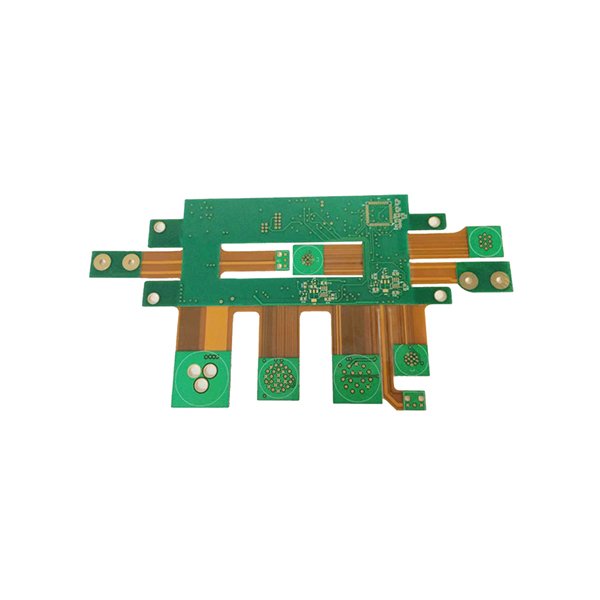
As electronic devices become smaller, lighter, and more powerful, traditional rigid circuit boards are increasingly challenged by modern design requirements. From wearable devices and medical equipment to automotive electronics and communication systems, manufacturers are seeking circuit solutions that can fit into compact spaces while maintaining high electrical performance. This growing demand has made the flexible printed circuit board factory a critical partner in product development and manufacturing.
Unlike conventional rigid PCBs, flexible printed circuit boards (FPCs) are designed to bend, fold, and adapt to complex mechanical structures. This flexibility allows engineers to optimize product layouts, reduce connector usage, and improve overall system reliability. As a result, FPC technology has become a key enabling factor for innovation across multiple industries.
One of the primary advantages of flexible circuits is space optimization. In modern electronic products, every millimeter matters. Traditional wire harnesses and rigid boards often require additional connectors and assembly steps, increasing both product size and manufacturing complexity. FPCs can replace multiple interconnections with a single integrated circuit structure, reducing weight and saving valuable installation space.
This advantage is particularly important in wearable electronics, where compact dimensions directly impact user comfort. Smartwatches, fitness trackers, wireless earbuds, and medical monitoring devices frequently rely on flexible circuits to connect sensors, displays, batteries, and communication modules within extremely limited spaces.
The automotive industry is another major driver of flexible circuit demand. Modern vehicles contain hundreds of electronic components distributed throughout the cabin, dashboard, lighting systems, battery management systems, and advanced driver assistance systems. Flexible circuits help manufacturers reduce wiring complexity while improving vibration resistance and long-term reliability.
However, producing high-performance FPCs requires far more than standard PCB manufacturing capabilities. Material selection, dimensional stability, impedance control, and precise copper patterning all play critical roles in product performance. A qualified flexible printed circuit board factory must possess both advanced manufacturing equipment and strong engineering expertise.
Rongbaijia Technology has developed comprehensive capabilities in flexible and rigid-flex PCB manufacturing to address these challenges. With more than fifteen years of manufacturing experience, the company supports a wide range of flexible circuit applications, from consumer electronics to industrial and automotive systems. Its engineering team provides Design for Manufacturability (DFM) analysis during the early project stages, helping customers identify potential risks before production begins.
Signal integrity has become increasingly important as electronic devices process larger amounts of data at higher speeds. Flexible circuits used in communication equipment, industrial control systems, and AI-related hardware often require controlled impedance structures and strict dimensional tolerances. Advanced process control and testing procedures are therefore essential to ensure stable performance throughout the product lifecycle.
Manufacturing consistency is another critical consideration. While prototype samples may perform well, large-scale production introduces additional challenges related to yield, process variation, and quality control. Rongbaijia Technology addresses these concerns through automated production systems and full-process inspection procedures. Automated Optical Inspection (AOI), flying probe testing, and traceability systems help maintain consistent quality across production batches.
The integration of PCB manufacturing and assembly services is also becoming increasingly valuable. Many electronics companies prefer working with a single supplier capable of managing PCB fabrication, component sourcing, SMT assembly, testing, and final product integration. This approach simplifies supply chain management while reducing communication costs and project lead times.
Rongbaijia Technology operates seven fully automated SMT lines and provides complete PCBA services, allowing customers to move from PCB design to finished electronic products through a single manufacturing partner. This integrated model helps improve project efficiency while minimizing coordination challenges between multiple suppliers.
Looking ahead, the market for flexible printed circuits is expected to continue expanding as electronics become more intelligent, connected, and compact. Emerging applications such as medical wearables, robotics, electric vehicles, smart manufacturing equipment, and IoT devices will create new opportunities for advanced FPC solutions.
For companies developing next-generation electronic products, selecting the right flexible printed circuit board factory is no longer simply a procurement decision. It is a strategic choice that can directly influence product performance, reliability, manufacturing efficiency, and time-to-market. Manufacturers with strong engineering support, advanced production capabilities, and integrated service offerings will continue to play an increasingly important role in the future of electronics manufacturing.
www.rbjpcb.com
Shenzhen Rongbaijia Technology Co., Ltd.
About Author