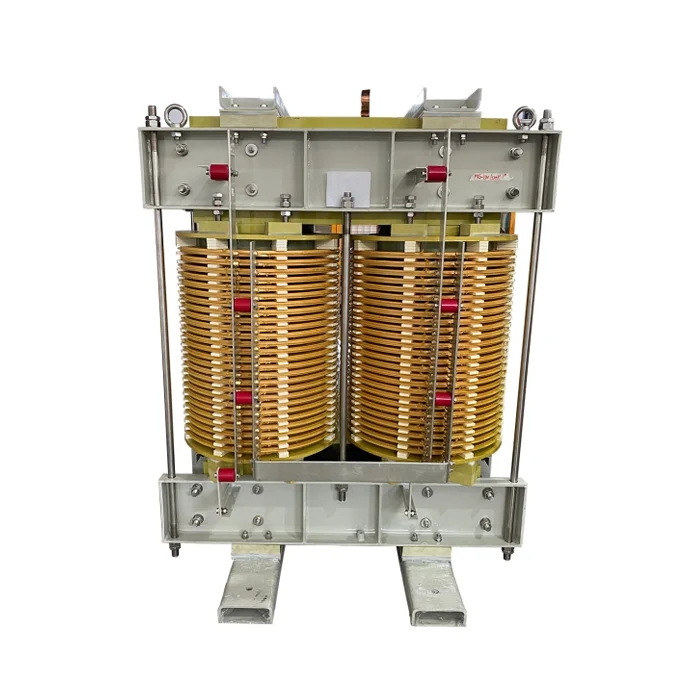
Choosing the appropriate dry type transformer is one of the most important decisions when designing or upgrading an industrial electrical distribution system. Unlike conventional oil-filled transformers, dry type transformers use air for cooling, making them a safer and more environmentally responsible solution for facilities where fire protection, indoor installation, and low maintenance are essential.
However, selecting the right transformer involves much more than matching the required power rating. Engineers must consider operating conditions, installation environment, electrical load characteristics, efficiency targets, insulation systems, and long-term operating costs to ensure dependable performance throughout the equipment's service life.
With more than fifty years of transformer manufacturing experience, Dingmao (DM) has continuously refined its engineering capabilities to deliver transformer solutions that combine reliability, energy efficiency, and compliance with international standards. Established in Taiwan in 1970 as a family-owned enterprise, the company has built extensive expertise in transformer production through continuous technological innovation.
DM strengthened its technical foundation through early cooperation with GE Prolec in developing amorphous core distribution transformers. Later, the company expanded its manufacturing operations into China while introducing mature Taiwanese production technologies, creating an efficient manufacturing system capable of supplying high-quality transformer cores, electrical components, and complete transformer solutions for customers worldwide.
Learn more about the company's products here:
<a href="https://www.dmtransformer.com/dry-type-transformers.html">Dry Type Transformers</a>
What Is a Dry Type Transformer?
A dry type transformer transfers electrical energy without using insulating oil. Instead, its windings are cooled naturally or by forced air circulation, greatly reducing fire hazards and eliminating concerns related to oil leakage and environmental contamination.
Because of these advantages, dry type transformers are widely installed in locations where safety regulations are strict, including:
-
Industrial manufacturing plants
-
Commercial buildings
-
Hospitals
-
Data centers
-
Airports
-
Railway systems
-
Educational facilities
Most modern dry type transformers utilize either cast resin insulation or Vacuum Pressure Impregnation (VPI) technology. These insulation methods provide excellent resistance to humidity, dust, contaminants, and chemical exposure while requiring relatively little maintenance.
Even though the operating principle is straightforward, transformer performance depends heavily on engineering quality, manufacturing precision, and material selection.
1. Determine the Actual Load Requirements
Proper transformer sizing begins with a comprehensive evaluation of electrical demand. Industrial facilities rarely operate under constant loading conditions, making accurate load analysis essential.
Important considerations include:
-
Required transformer capacity (kVA)
-
Continuous operating load
-
Peak demand during equipment startup
-
Harmonic-producing equipment
-
Planned production expansion
Selecting an undersized transformer can result in excessive heating, reduced insulation life, and unstable voltage. Conversely, an oversized unit increases investment costs while operating less efficiently.
Matching transformer capacity with both current and future requirements ensures stable operation and better energy utilization.
2. Assess the Installation Environment
The surrounding environment has a direct influence on transformer reliability and cooling efficiency.
Before choosing a dry type transformer, evaluate factors such as:
-
Ambient operating temperature
-
Ventilation conditions
-
Installation altitude
-
Dust concentration
-
Moisture levels
-
Corrosive industrial atmospheres
Cast resin transformers generally provide superior protection in demanding industrial environments because their windings are fully encapsulated. VPI transformers, meanwhile, perform well in clean indoor electrical rooms where environmental contamination is minimal.
Choosing the correct insulation technology based on actual operating conditions helps maximize service life.
3. Select the Appropriate Insulation and Cooling Design
Heat is one of the primary factors affecting transformer longevity. Therefore, insulation systems and cooling methods deserve careful attention during equipment selection.
Common insulation classes include:
-
Class F
-
Class H
Higher insulation ratings enable transformers to operate safely at elevated temperatures while maintaining reliable insulation performance.
Cooling methods should also match the application's operating conditions. Smaller units typically rely on natural air cooling (AN), while larger transformers often incorporate forced-air cooling (AF) to improve heat dissipation under heavy loads.
Effective thermal management directly contributes to longer equipment life and improved reliability.
4. Consider Harmonic Distortion
Today's industrial facilities commonly use variable frequency drives, automated production equipment, UPS systems, and electronic power converters. These devices generate harmonic currents that place additional stress on transformers.
High harmonic content may lead to:
-
Increased copper losses
-
Higher operating temperatures
-
Reduced insulation lifespan
-
Additional core losses
-
Increased operating noise
To address these conditions, transformers should be designed with optimized winding structures, suitable K-factor ratings where necessary, and premium magnetic core materials.
DM incorporates advanced core design and precision manufacturing techniques to help maintain reliable performance even under non-linear electrical loads.
5. Verify Compliance with International Standards
Industrial power equipment should satisfy recognized international quality and safety standards.
Before purchasing a transformer, verify compliance with applicable standards such as:
-
IEC
-
ANSI
-
ISO quality management requirements
Compliance demonstrates that the transformer has undergone comprehensive testing for electrical insulation, temperature rise, efficiency, dielectric performance, and operational safety.
DM manufactures its transformer products according to internationally recognized standards, ensuring consistent quality across global markets.
6. Evaluate Mechanical Protection
Industrial environments often expose electrical equipment to vibration, dust, accidental impact, and challenging operating conditions.
For this reason, transformer enclosure quality should never be overlooked.
Important considerations include:
-
Mechanical strength
-
Enclosure construction
-
IP protection rating
-
Resistance to dust and moisture
-
Structural durability
Proper enclosure protection significantly improves operational reliability while reducing maintenance requirements throughout the transformer's lifecycle.
7. Focus on Total Lifecycle Cost
Purchase price represents only a small portion of a transformer's overall cost.
When evaluating a dry type transformer, consider the complete lifecycle, including:
-
No-load losses
-
Load losses
-
Energy efficiency
-
Maintenance requirements
-
Downtime risks
-
Expected service life
High-efficiency transformers often generate substantial long-term savings by lowering energy consumption and reducing maintenance expenses.
DM emphasizes precision manufacturing and optimized core technology to minimize both no-load and load losses, helping customers improve long-term operational efficiency.
DM's Expertise in Transformer Engineering
Since its establishment in Taiwan in 1970, Dingmao (DM) has accumulated decades of practical experience in transformer design and manufacturing.
The company's collaboration with GE Prolec during the development of amorphous core transformers provided valuable expertise in low-loss transformer technology. As production expanded into China, DM integrated advanced Taiwanese manufacturing processes to build a modern production system capable of meeting international quality expectations while maintaining competitive manufacturing efficiency.
Today, DM offers comprehensive transformer solutions that include:
-
Transformer cores
-
Active electrical components
-
Complete dry type transformer systems
Its integrated manufacturing capabilities enable consistent quality control throughout every production stage, from engineering design to final assembly.
8. Choose a Manufacturer That Provides Technical Support
Selecting the right transformer supplier is just as important as selecting the transformer itself.
Industrial projects frequently require customized specifications, system integration, and ongoing engineering assistance.
A qualified manufacturer should be able to provide:
-
Professional application consultation
-
Customized transformer design
-
Factory inspection and testing reports
-
Quality assurance documentation
-
Technical support throughout the equipment lifecycle
DM supports customers with engineering expertise developed through decades of international project experience, helping clients implement transformer solutions that match their specific operational requirements.
Conclusion
Choosing the most suitable dry type transformer requires balancing electrical performance, environmental conditions, operational safety, efficiency, and long-term ownership costs. Every aspect—from transformer sizing and insulation selection to harmonic performance and enclosure protection—plays a role in ensuring dependable industrial power distribution.
Backed by more than five decades of manufacturing experience, Dingmao (DM) continues to provide transformer solutions built around advanced engineering, strict quality control, and internationally recognized manufacturing standards. Through continuous innovation, precision production, and comprehensive technical support, DM helps customers achieve greater energy efficiency, improved operational reliability, and long-term system stability.
A properly selected dry type transformer is far more than a piece of electrical equipment—it is a strategic investment that supports safe, efficient, and reliable industrial operations for years to come.
www.dmtransformer.com
Dingmao (DM)
About Author