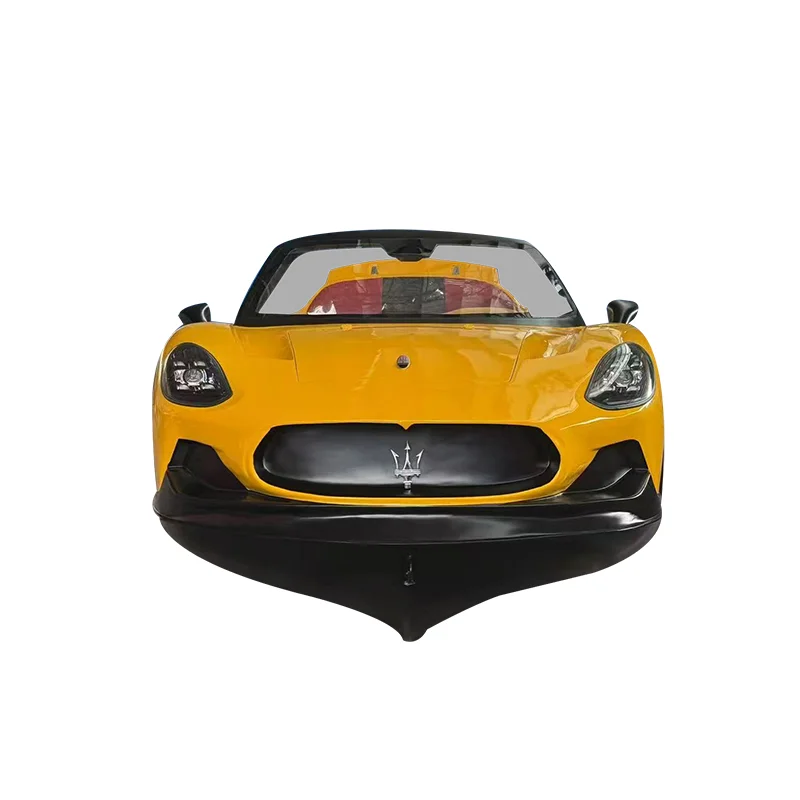
The evolution of recreational watercraft has entered a new phase where performance engineering and onboard entertainment converge. The fiberglass jet car with Bluetooth speaker represents a new category that blends the thrill of jet propulsion with the comfort and intelligence expected by modern users. Designed for both leisure and lifestyle appeal, this type of jet car is no longer just about speed—it is about experience, durability, and smart integration.
With a 1400cc Yamaha inboard engine rated at 90HP, a reinforced fiberglass hull, and a fully integrated touchscreen and Bluetooth audio system, today’s jet car is positioned as a premium personal water vehicle suitable for lakes, rivers, and coastal leisure zones. In this blog post, Hison, as high performance water sports equipment manufacturer, will share the performance advantages of fiberglass jet car with Bluetooth speaker for sale.
Market Demand for Fiberglass Jet Car with Bluetooth Speaker
Recreational boating trends show a clear shift toward compact, high-performance water vehicles that also deliver comfort and entertainment. Buyers are increasingly drawn to jet-powered cars that combine automotive-inspired design with marine-grade engineering.
A fiberglass jet car equipped with a Bluetooth speaker meets this demand by offering:
-
Simplified operation compared to traditional boats
-
Low maintenance jet propulsion systems
-
Integrated entertainment for social and leisure use
These features make such jet cars attractive to private owners, resorts, and water sports rental operators seeking differentiation and long-term value.
Durable Fiberglass Construction for Long-Term Use
At the core of this jet car is a high-quality fiberglass body and chassis, engineered to withstand demanding marine environments. Fiberglass is widely recognized for its balance of strength, flexibility, and corrosion resistance, making it ideal for jet-powered water vehicles.
Key advantages of the fiberglass hull include:
-
Resistance to saltwater corrosion and UV exposure
-
Structural rigidity without excessive weight
-
Smooth surface finish that reduces water drag
The robust construction ensures the jet car maintains structural integrity across diverse terrains and weather conditions, supporting extended service life with minimal degradation.
Jet Car Fiberglass Hull Design and Hydrodynamics
The jet car fiberglass hull is designed with hydrodynamic efficiency in mind. Its streamlined profile allows for stable planing at higher speeds while maintaining control during sharp turns.
Hull design considerations include:
-
Optimized water intake positioning for jet propulsion
-
Reinforced stress points around the engine and drive system
-
Balanced weight distribution for predictable handling
This engineering approach ensures that the jet car delivers responsive maneuverability without sacrificing safety or ride comfort.
1400cc Yamaha Inboard Engine Performance
Powering this jet car is a 1400cc Yamaha inboard engine delivering 90 horsepower, a configuration well-suited for recreational jet vehicles. Yamaha engines are known globally for reliability, consistent output, and efficient fuel consumption.
Performance characteristics include:
-
Rapid acceleration suitable for water sports activities
-
Smooth power delivery at cruising speeds
-
Proven durability under continuous operation
The inboard layout also contributes to better weight balance and protects the engine from external impacts, enhancing overall safety and reliability.
Jet Propulsion Advantages in a Fiberglass Jet Car
Unlike propeller-driven boats, a fiberglass jet car relies on a jet propulsion system that offers distinct operational benefits. This propulsion method draws water into an internal pump and expels it at high velocity, generating thrust without exposed propellers.
Notable advantages include:
-
Reduced risk of injury in shallow or crowded waters
-
Improved operation in low-depth environments
-
Lower maintenance due to fewer exposed moving parts
These benefits make jet cars especially suitable for recreational zones where safety and versatility are critical.
Integrated Bluetooth Speaker for Onboard Entertainment
A defining feature of the modern fiberglass jet car with Bluetooth speaker is its focus on onboard entertainment. The integrated Bluetooth audio system allows users to stream music wirelessly from smartphones or other devices.
This system enhances the social aspect of water recreation by:
-
Providing clear, marine-grade sound output
-
Eliminating the need for external speakers or wiring
-
Supporting hands-free control through paired devices
Whether cruising calmly or hosting a leisure outing, the Bluetooth speaker transforms the jet car into a floating entertainment platform.
Touchscreen Display and Smart Control Interface
Complementing the audio system is a touchscreen display, which serves as the central control interface for the jet car. This digital integration reflects a broader trend toward smart dashboards in marine and recreational vehicles.
The touchscreen typically manages:
-
Audio and Bluetooth connectivity
-
System diagnostics and status indicators
-
Navigation or performance data displays
By consolidating controls into a single interface, the jet car improves usability while maintaining a clean, modern cockpit layout.
Comfort and Ergonomic Design Considerations
Beyond performance and technology, comfort plays a critical role in user satisfaction. The seating and cockpit layout of a fiberglass jet car are designed with ergonomics in mind, supporting extended use without fatigue.
Comfort-focused design elements include:
-
Contoured seating with marine-grade upholstery
-
Vibration reduction through hull and seat mounting
-
Intuitive placement of controls and displays
These features ensure the jet car remains enjoyable for both short recreational rides and longer cruising sessions.
Applications Across Leisure and Commercial Use
The versatility of a fiberglass jet car with Bluetooth speaker allows it to serve multiple use cases. Its compact footprint and automotive-inspired handling appeal to a broad audience.
Common applications include:
-
Private recreational use on lakes and rivers
-
Resort and hotel water activity fleets
-
Rental operations seeking low-maintenance craft
The combination of durability, entertainment, and performance makes this jet car suitable for both individual owners and commercial operators.
Safety and Reliability in Design and Operation
Safety is an integral aspect of jet car engineering. The fiberglass structure, inboard engine layout, and jet propulsion system collectively reduce operational risks.
Key safety-related features include:
-
Absence of exposed propellers
-
Stable hull geometry for predictable handling
-
Clear digital monitoring via touchscreen display
These elements help operators maintain control while ensuring passenger confidence during use.
Maintenance Efficiency and Ownership Value
From an ownership perspective, fiberglass jet cars are valued for their manageable maintenance requirements. Fiberglass surfaces are easy to clean and resistant to corrosion, while jet propulsion systems reduce mechanical exposure.
Maintenance benefits include:
-
Simplified hull care compared to metal structures
-
Reduced wear on propulsion components
-
Long service intervals for Yamaha inboard engines
Over time, these factors contribute to lower operating costs and stronger resale value.
Future Outlook for Jet Cars with Smart Features
As consumer expectations evolve, jet cars are increasingly positioned as lifestyle products rather than purely recreational machines. Features such as Bluetooth speakers and touchscreen displays are becoming standard rather than optional.
Future developments are likely to focus on:
-
Enhanced digital integration and connectivity
-
Further weight optimization in fiberglass structures
-
Improved efficiency in jet propulsion systems
The fiberglass jet car with integrated entertainment represents a clear step toward this future, combining engineering reliability with user-focused innovation.
Conclusion
The fiberglass jet car with Bluetooth speaker exemplifies how modern watercraft design balances performance, durability, and intelligent features. With its robust fiberglass construction, 1400cc Yamaha 90HP inboard engine, jet propulsion system, and smart entertainment integration, it delivers a comprehensive recreational experience.
For users seeking more than just speed—those who value comfort, safety, and lifestyle appeal—this new generation of jet car offers a compelling solution that aligns with current and future market expectations.
www.hisonjetboat.com
Hison
About Author