Industrial facilities today operate under increasingly strict safety, efficiency, and environmental protection requirements. From oil refineries and chemical plants to power stations and offshore platforms, complex piping networks must be controlled with precision. At the heart of these systems are valves—essential components that regulate the flow of liquids, gases, steam, and other process media.
However, when valves are operated incorrectly or in the wrong sequence, the consequences can be severe. Accidents such as overpressure events, chemical leakage, equipment damage, and even catastrophic explosions often originate from simple human operational errors.
To prevent these risks, industries rely on industrial valve safety systems, and among the most reliable solutions is the mechanical valve interlock system. Companies such as Nudango specialize in mechanical valve interlocks designed specifically for hand-operated valves, providing a robust, fail-safe method to enforce safe operational sequences without relying on electricity or electronic control systems.
What Are Industrial Valve Safety Systems?
Industrial valve safety systems are engineered safety mechanisms designed to ensure that valves are operated in a safe, predefined sequence. Their primary purpose is to eliminate unsafe conditions caused by human error, miscommunication, or incorrect operational procedures.
These systems can be broadly categorized into safety approaches, but in heavy industrial environments, the most trusted and widely applied solution remains mechanical valve interlocking systems for manual valves.
Unlike electronic or software-based systems, mechanical interlocks physically restrict valve movement until the correct operational conditions are met. This makes them especially valuable in environments where reliability, simplicity, and fail-safe performance are critical.
Mechanical Valve Interlock Systems: The Core of Industrial Safety
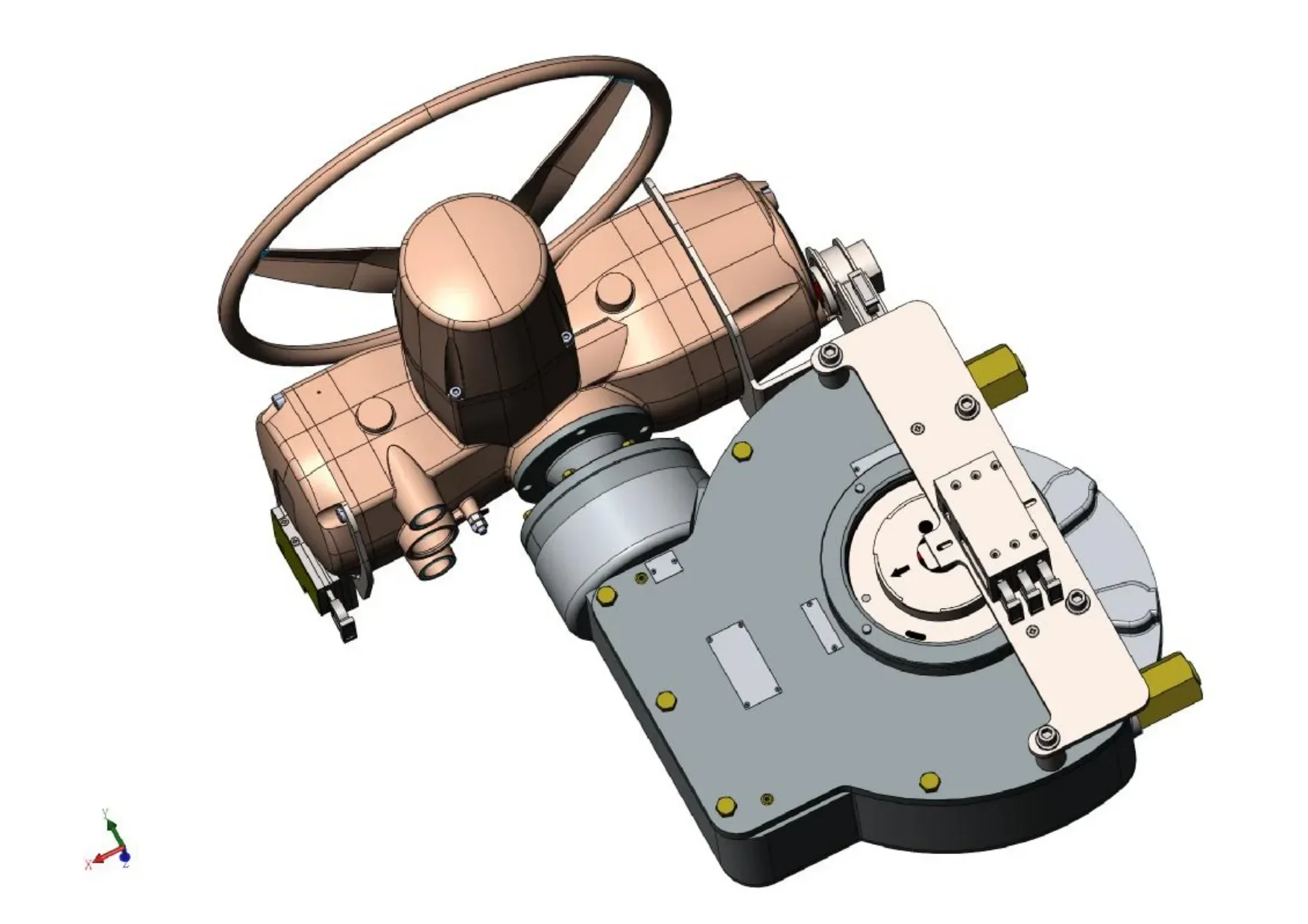
A mechanical valve interlock system is a physical safety device that controls the operation of hand valves through mechanical logic. It uses keys, locks, and mechanical constraints to ensure that operators follow a strict sequence when opening or closing valves.
Nudango’s mechanical valve interlock systems are designed specifically for manual hand-operated valves, meaning the system does not depend on electricity, sensors, or digital controllers. Instead, safety is enforced entirely through mechanical structure.
This approach ensures:
-
Absolute independence from power supply
-
Reliable operation in harsh environments
-
Direct physical enforcement of safety logic
-
Minimal maintenance requirements
-
Long service life in industrial conditions
Because of these advantages, mechanical interlocks are widely used in critical infrastructure where failure is not an option.
Why Industrial Valve Safety Systems Are Essential
1. Preventing Operational Errors
Industrial systems often involve dozens or even hundreds of valves. In such complex environments, incorrect sequencing is one of the most common causes of incidents.
A mechanical valve interlock system physically prevents operators from performing unsafe actions, ensuring that:
-
Valves cannot be opened in the wrong order
-
Critical isolation steps are completed before system activation
-
Dangerous simultaneous valve states are avoided
This eliminates reliance on human memory or judgment under pressure.
2. Enhancing Process Safety
Industrial processes frequently involve high pressure, high temperature, or hazardous media. Incorrect valve operation can lead to:
-
Pipeline rupture
-
Sudden pressure release
-
Chemical exposure
-
Fire or explosion risks
Mechanical valve interlocks ensure that pressure is safely managed by enforcing correct valve sequencing.
3. Protecting Equipment and Infrastructure
Improper valve operations can cause serious mechanical stress on pumps, compressors, and pipelines. Over time, this leads to:
-
Premature equipment failure
-
Increased maintenance costs
-
Production downtime
-
Reduced system lifespan
Valve interlock systems help maintain stable operating conditions, reducing mechanical wear and protecting capital-intensive equipment.
4. Improving Environmental Safety
Uncontrolled leakage or discharge of industrial fluids can lead to environmental contamination. Mechanical interlock systems help ensure that:
-
Hazardous fluids are properly isolated
-
Transfer operations follow safe procedures
-
Emergency shutdown sequences are correctly executed
This supports compliance with environmental regulations and sustainability goals
www.nudango.com
nudango
About Author