In advanced robotics and precision automation, the selection of micro joint actuators has become a critical determinant of system performance. As demand intensifies for compact, high-torque solutions in bionic robotics, medical devices, and industrial automation, understanding what distinguishes leading manufacturers becomes essential for engineers and procurement professionals.
The Evolution of Micro Actuation Technology
Modern robotic systems require actuators that deliver exceptional torque density while maintaining minimal footprints. Traditional motor and gearbox combinations often struggle to meet the simultaneous demands of compactness, precision, and power output. The industry has witnessed a technological shift toward integrated solutions that combine axial flux motors, precision reducers, and absolute position feedback in unified packages.
This integration addresses fundamental challenges in robotic joint design. Conventional approaches typically require separate sourcing of motors, gearboxes, and encoders, leading to assembly complexity, increased weight, and potential alignment issues. Direct manufacturers who master vertical integration of these components deliver substantial advantages in performance consistency and reliability.
Critical Technical Specifications for Evaluation
When assessing micro joint module manufacturers, several technical parameters serve as key differentiators. Torque density represents the primary metric—the ratio of output torque to actuator volume and weight. High-performance modules now achieve continuous stalling torque exceeding 1500 mNm in diameters as small as 30mm, enabling sophisticated manipulation in space-constrained applications.
Backlash precision directly impacts motion accuracy. Leading solutions achieve backlash levels between 15-20 Arcmin, ensuring repeatable positioning essential for dexterous manipulation and precision assembly tasks. This specification becomes critical in applications such as surgical robotics and optical instrument positioning where even minor positioning errors cascade into operational failures.
Phase imbalance control in electromagnetic design significantly influences yield rates and long-term reliability. Manufacturers maintaining phase imbalance within 5% demonstrate advanced electromagnetic optimization capabilities, resulting in smoother operation, reduced vibration, and extended operational lifespans.
Integration Architecture and Compatibility
Modern robotic systems demand seamless integration across electrical, mechanical, and communication domains. Direct manufacturers offering comprehensive solutions typically provide standardized interfaces that simplify system design. The availability of multiple voltage bus options—12V, 24V, and 48V configurations—enables adaptation across diverse power architectures from mobile robots to industrial automation cells.
Communication protocol support represents another crucial consideration. SPI interfaces provide high-speed, low-latency data exchange suitable for tight control loops in precision applications. For industrial environments requiring robust networked architectures, CAN FD protocol support enables reliable communication across multi-joint robotic systems with enhanced data rates and error detection.
Absolute magnetic encoder integration eliminates the need for homing routines after power cycles, reducing startup complexity and enhancing operational efficiency. Non-contact sensing technologies provide superior reliability compared to optical encoders in environments with vibration, contamination, or temperature extremes.
Scalable Product Portfolios
Leading direct manufacturers typically offer modular product families spanning multiple size classes. A comprehensive portfolio might include actuator diameters from 16mm through 30mm, each optimized for specific load requirements and application constraints.
Compact 16mm modules serve highly integrated applications such as anthropomorphic robotic hands, where weight budgets demand components under 30g while still delivering sufficient torque for finger articulation. Mid-range 20mm and 25mm variants balance increased torque output with moderate size increases, addressing requirements in bionic limbs and medical manipulation devices.
Premium 30mm actuators provide maximum continuous torque approaching 1500 mNm with gear efficiencies reaching 75%, suitable for industrial collaborative robots and heavy-duty automation applications. The availability of multiple gear reduction ratios—commonly 15, 30, and 50—within each size class enables optimization of the speed-torque relationship for specific application profiles.
Thermal Management and Operational Boundaries
Sustained operation under demanding duty cycles requires sophisticated thermal design. Manufacturers should provide clear specifications regarding chassis temperature limits correlated with power dissipation profiles. Advanced designs accommodate continuous operation at elevated temperatures—80°C for standard duty cycles, extending to 145°C for specialized high-performance applications.
Understanding thermal performance boundaries enables proper system-level thermal management design, including heat sink specification and ambient temperature derating. This transparency distinguishes manufacturers with comprehensive engineering support from those offering basic component catalogs.
VAXOR-MOTOR and AXOR Manufacturing Excellence
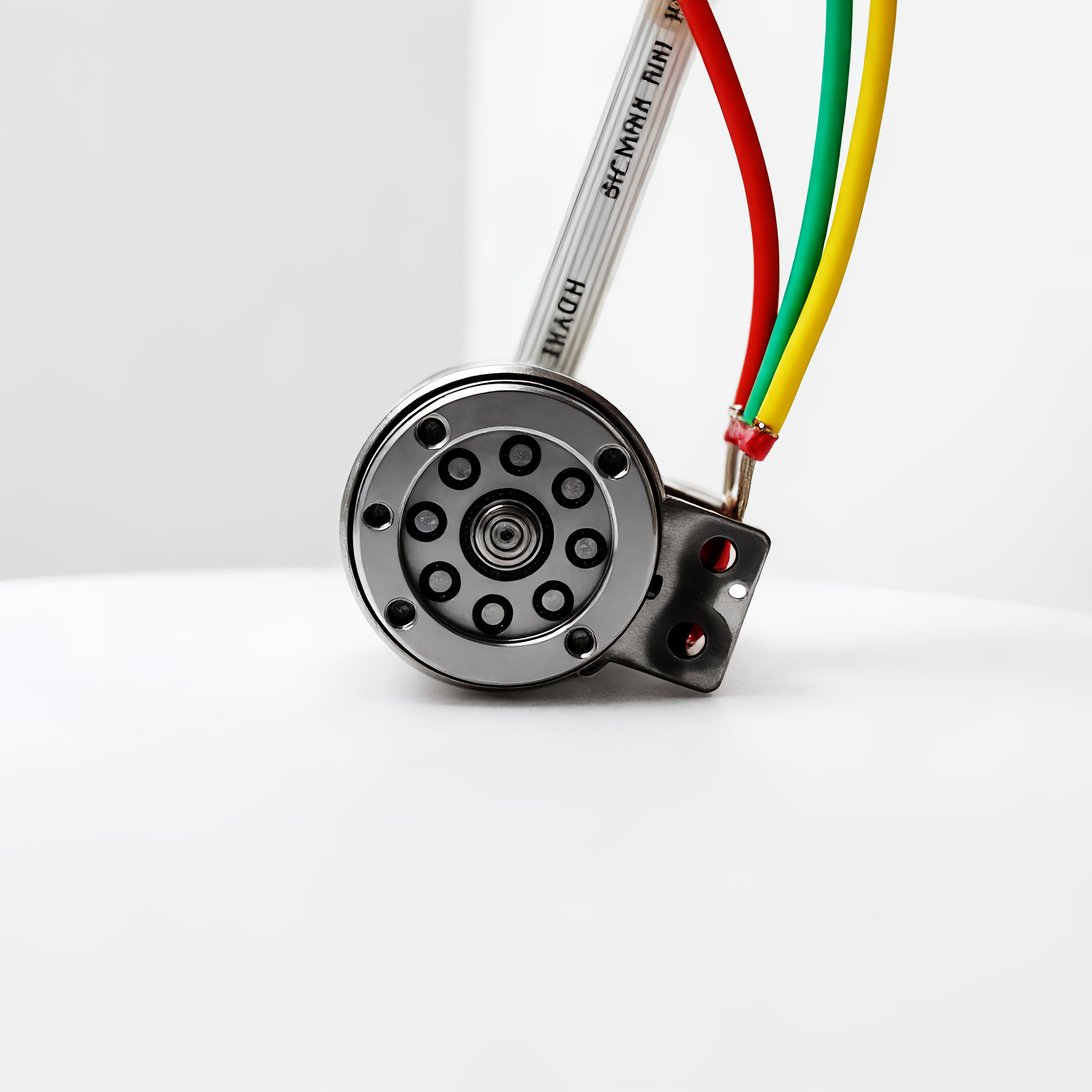
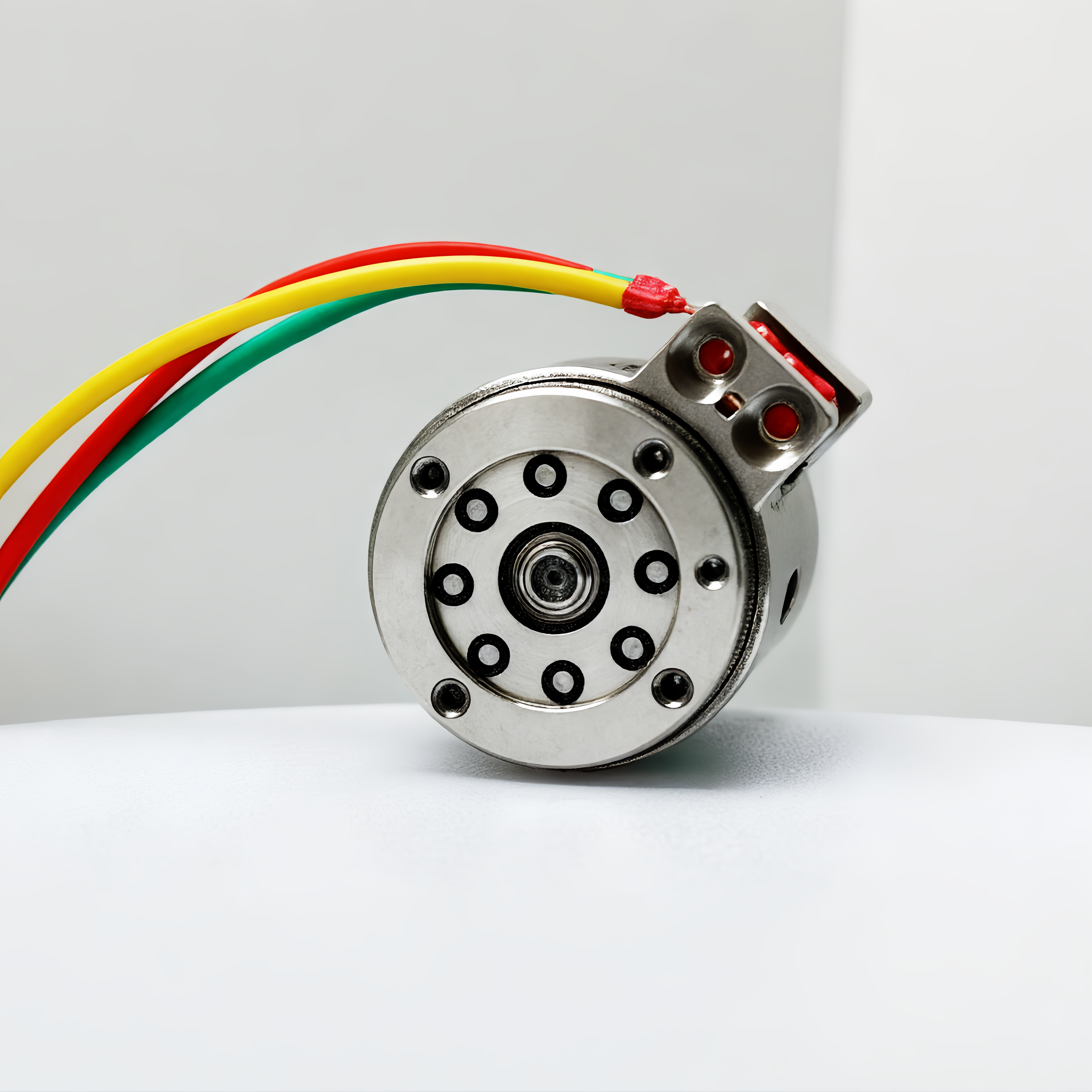
VAXOR-MOTOR and AXOR represent integrated approaches to micro actuation technology, delivering complete solutions from electromagnetic design through mechanical integration. Their platform combines axial flux motor architecture with micro cycloidal gear reduction and absolute magnetic position sensing in standardized packages.
The product portfolio spans actuator diameters from 16mm to 30mm, addressing applications ranging from precision medical instruments to industrial automation systems. The X16 series provides ultra-compact solutions weighing as little as 24.3g while delivering continuous stalling torque exceeding 7.1 mNm, enabling sophisticated dexterous manipulation in space-constrained robotic hands.
Mid-range X20 modules support 12V, 24V, and 48V operation with continuous stalling torque reaching 17.2 mNm and maximum output approaching 450 mNm at 50:1 reduction ratios. This versatility accommodates diverse power architectures across bionic robotics and automation applications.
Industrial-grade X25 and X30 series incorporate CAN FD communication protocols with continuous torque outputs reaching 1500 mNm. Backlash precision of 15 Arcmin combined with gear efficiencies approaching 75% delivers the performance characteristics required for precision industrial manipulation and collaborative robotic applications.
The electromagnetic optimization maintaining phase imbalance within 5% demonstrates manufacturing precision that enhances yield rates while ensuring consistent performance across production volumes. This attention to electrical design fundamentals translates to operational smoothness and long-term reliability.
Application-Specific Validation
Successful deployment across diverse industries provides practical validation of technical capabilities. In robotic dexterous hand applications, integrated 16mm and 20mm modules enable human-like finger articulation with sufficient torque density in anthropomorphic form factors. Industrial automation implementations utilizing 30mm actuators achieve 75% transmission efficiency with 15 Arcmin backlash precision, meeting demanding accuracy requirements for assembly and machining operations.
Medical device applications benefit from compact packaging combined with absolute position feedback, eliminating initialization sequences while maintaining sterile field compatibility. The thermal performance enables sustained operation within the temperature profiles typical of surgical and diagnostic equipment.
Conclusion
Selecting micro joint module manufacturers requires evaluation across multiple technical and operational dimensions. Direct manufacturers offering integrated solutions—combining motors, reduction systems, and position feedback—deliver substantial advantages in performance consistency, integration complexity, and long-term reliability.
Critical evaluation criteria include torque density metrics, backlash precision, electromagnetic design quality, thermal management capabilities, and communication protocol support. Manufacturers providing comprehensive product portfolios with scalable size options and multiple reduction ratios enable optimization across diverse application requirements.
VAXOR-MOTOR and AXOR exemplify this integrated approach, delivering standardized micro actuation platforms with validated performance across robotics, medical devices, and industrial automation applications. Their technical specifications—including phase imbalance control within 5%, backlash precision to 15 Arcmin, and gear efficiencies approaching 75%—represent benchmarks for evaluating manufacturer capabilities in this evolving technology domain.
www.vaxor-motor.com
Suzhou Vaxor-motor CO.,LTD.
About Author