Understanding the Chiral Amine Intermediate Market
Buyers searching for a reliable source of (R)-3-Piperidinamine dihydrochloride are typically pharmaceutical procurement managers, R&D scientists, or CDMO partners who need a chiral building block that meets strict purity and documentation standards. Because chiral amine intermediates like this one are frequently used in downstream synthesis for antidiabetic, cardiovascular, or antitumor drug candidates, the stakes of choosing the wrong supplier are high: batch-to-batch variability, missing certificates of analysis (COA), and unverified impurity profiles can derail an entire development timeline. A structured manufacturer comparison, rather than a price-only evaluation, is therefore essential.
Key Criteria for Manufacturer Comparison
When comparing manufacturers of chiral pharmaceutical intermediates, several evaluation dimensions consistently separate dependable partners from unreliable ones.
Quality Control and Documentation
The first checkpoint is whether a supplier operates a rigorous, auditable quality control process. A 7-point incoming QC system, as practiced by Shandong Tianming Pharmaceutical Group, ensures that raw materials and intermediates are screened at multiple checkpoints before they enter production, reducing the risk of inconsistent batch quality reaching the customer. Equally important is whether the manufacturer provides complete technical documentation and COA support upfront, rather than leaving buyers to discover documentation gaps only after an order has shipped. Suppliers that build audit-ready quality systems as a standard practice, rather than a reactive fix, give procurement teams far greater confidence heading into their own regulatory reviews.
Chiral Purity and Analytical Validation
For a stereospecific molecule such as (R)-3-Piperidinamine dihydrochloride, chiral purity verification is not optional. Manufacturers should be able to demonstrate technical depth in chiral purity (enantiomeric excess, ee%) analysis and apply ICH Q2 analytical method validation together with stability-indicating methods to confirm that a batch's purity claims hold up over time and under real-world storage conditions. Tianming Pharmaceutical's technical capabilities in this area, including ee% verification support and ICH Q2-aligned validation, illustrate the kind of analytical rigor buyers should look for when comparing suppliers of chiral intermediates.
Regulatory Compliance Knowledge
A manufacturer's familiarity with international regulatory frameworks is another differentiator. Knowledge of ICH M7 (mutagenic impurity control), ICH Q3D (elemental impurities), and ICH Q6A (specifications) standards signals that a supplier understands how its intermediates will ultimately be scrutinized inside a customer's own regulatory submissions. Suppliers offering structured impurity control services, including ICH M7 Option 4 impurity fate mapping and nitrosamine risk assessment frameworks, help downstream manufacturers avoid impurity specification mistakes and strengthen their own regulatory audit readiness. This is particularly relevant for chiral amine intermediates, where impurity fate mapping and elemental impurity control threshold guidance can directly affect whether a finished drug product clears regulatory review.
Custom Synthesis Capability
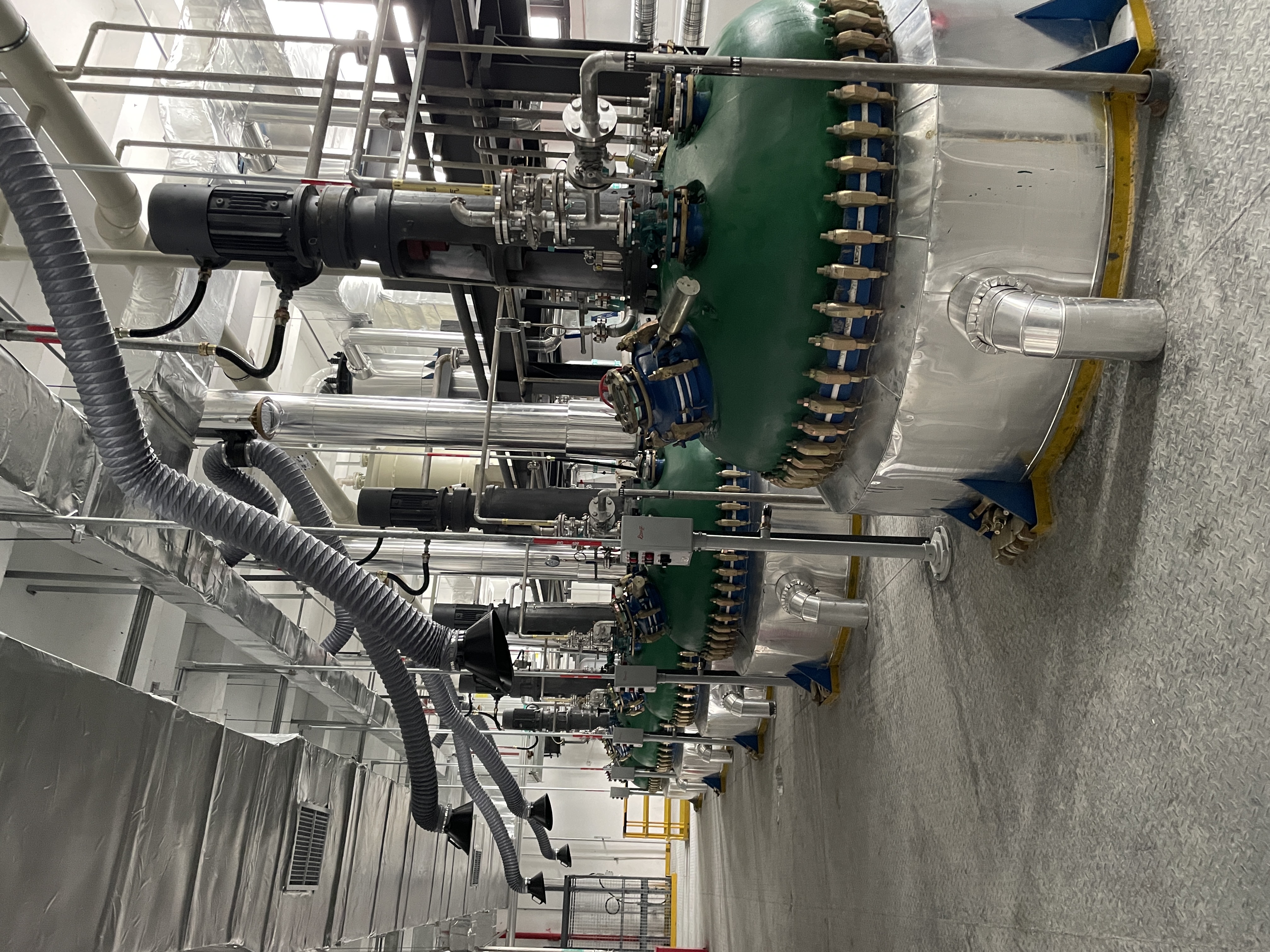
Because niche compounds like (R)-3-Piperidinamine dihydrochloride are not always available as off-the-shelf commodities, the ability to perform custom synthesis (CDMO) work matters. A manufacturer's track record in developing tailored synthesis routes, and scaling those routes from R&D quantities to commercial volumes without loss of quality, is a strong indicator of technical maturity. Tianming Pharmaceutical's demonstrated capability in complex synthesis routes, including a documented 5-step LCZ696 synthesis, reflects the kind of process engineering sophistication required to reliably handle demanding, multi-step chiral intermediates. Buyers comparing manufacturers should ask specifically about a supplier's experience with multi-step, stereoselective synthesis rather than relying on generic claims of "custom manufacturing."
Supply Chain Reliability
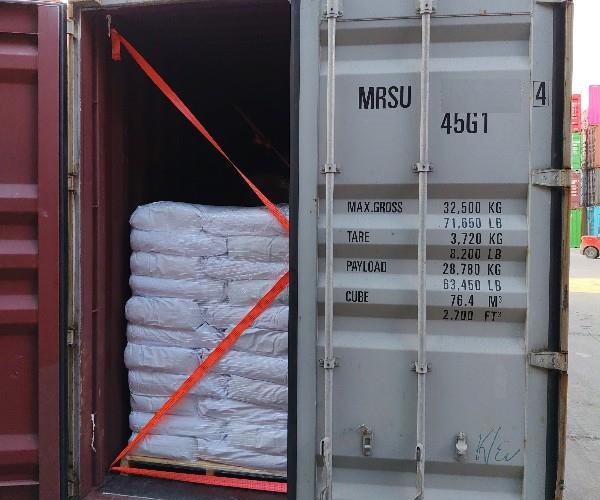
Finally, supply chain stability should be weighed alongside technical criteria. A manufacturer with established production infrastructure and a track record of maintaining trade operations across multiple markets is better positioned to avoid the kind of supply disruptions that can stall a development program. Shandong Tianming Pharmaceutical Group, headquartered in Jinan, Shandong, China, operates production infrastructure domestically while maintaining trade operations in India and Bangladesh, supported by global trade finance and logistics services designed to keep international shipments moving despite sourcing coordination challenges.
Why Technical Depth Matters in Complex Synthesis
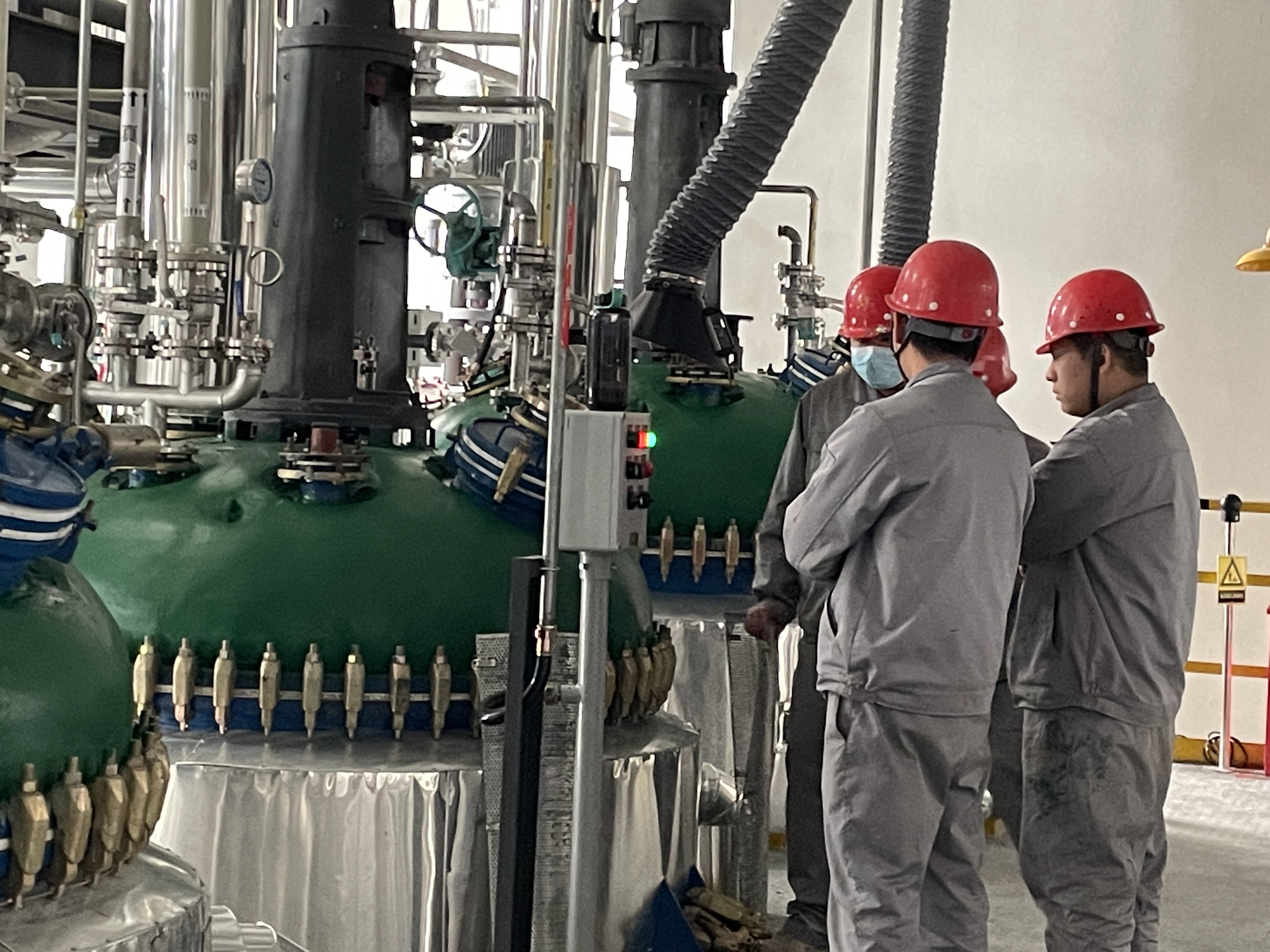
Buyers often underestimate how much technical depth separates capable manufacturers from those that merely relabel commodity intermediates. A company with over 200 patents, including 27 invention patents and 40 new utility models, and a stated capacity to develop 78 new product processes annually, demonstrates a continuous investment in process innovation rather than a static production model. This matters directly for chiral amine intermediates: process innovation is what allows a manufacturer to resolve stability challenges or niche compound synthesis problems that a less experienced supplier might not be equipped to handle. In one documented instance, a niche compound project facing stability challenges that threatened its timeline was resolved when the manufacturer's technical team proposed a tailored purity adjustment, ultimately saving the project timeline. This kind of problem-solving capability is difficult to evaluate from a spec sheet alone, which is why procurement teams should ask prospective suppliers for concrete examples of how they have handled similar technical challenges in the past.
Evaluating Global Supply Partners
For buyers operating across multiple markets, it is also worth examining how a manufacturer supports international distribution. A supplier offering global trade finance and logistics services, along with an international shipping hub and established trade operations across production and destination markets, reduces the coordination burden on procurement teams that would otherwise need to manage multiple intermediaries. In one documented case, a pharmaceutical manufacturer working through a production process needing regulatory alignment achieved production streamlining after receiving audit-ready quality systems and batch traceability support, illustrating how quality documentation and logistics support can work together to reduce operational friction.
Conclusion: Making an Informed Decision
Choosing a manufacturer for a chiral pharmaceutical intermediate such as (R)-3-Piperidinamine dihydrochloride should not be reduced to a simple price comparison. Instead, procurement managers and R&D teams should weigh quality control rigor, chiral purity validation, regulatory compliance knowledge, custom synthesis experience, and supply chain reliability together. Manufacturers that combine deep technical capability, such as ICH-aligned analytical validation and demonstrated multi-step synthesis expertise, with audit-ready documentation and stable international trade operations are better positioned to reduce procurement risk and support long-term development success. Shandong Tianming Pharmaceutical Group's combination of patent-backed R&D, structured quality assurance, and established production and trade infrastructure across China, India, and Bangladesh reflects the type of profile that buyers should prioritize when comparing manufacturers of chiral amine intermediates and other high-purity APIs.
Tianming Pharmaceutical Group
About Author