Industry Context: The Challenge of Sub-6mm Motor Manufacturing
The miniaturization of robotics, medical instrumentation, and consumer electronics has placed unprecedented demands on electromagnetic actuation components. As devices shrink toward sub-6mm form factors, engineers face a persistent industry pain point: high cost and low yield in sub-6mm motor production. Traditional manufacturing approaches often struggle to maintain electromagnetic consistency at this scale, where even minor variances in winding or magnetic alignment can compromise performance and reliability.
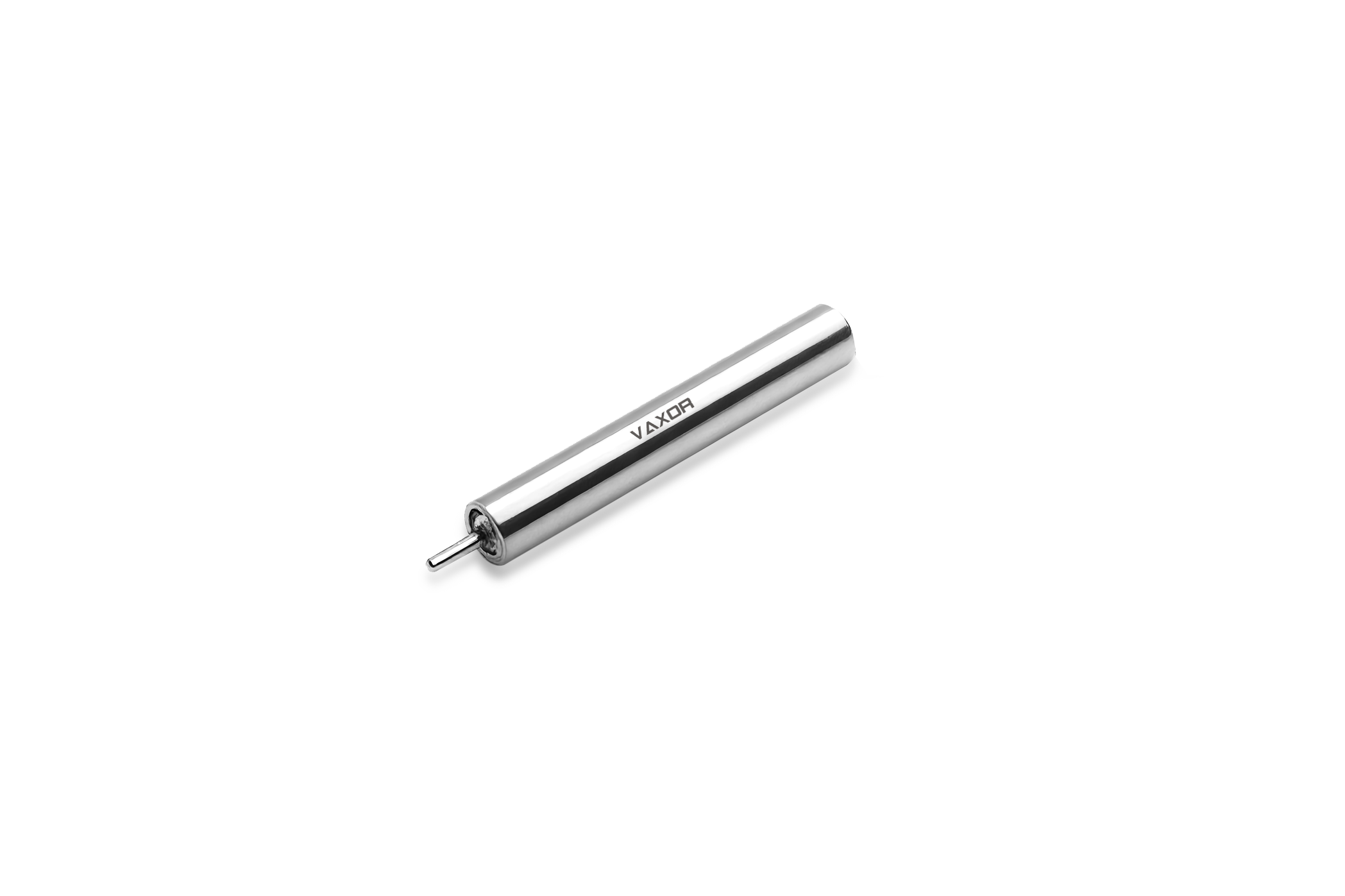
This challenge is particularly acute in sectors such as micro-surgical robotics, precision optical adjustment systems, and miniature haptics or pump mechanisms, where space constraints leave no margin for inefficient design. Addressing this gap requires not only mechanical precision but also a rigorous electromagnetic design methodology capable of controlling variance across mass production. VAXOR-MOTOR (VAXOR), operating globally across bionic robotics, industrial automation, medical devices, and consumer electronics, has built its technical platform around solving exactly this class of problem—positioning itself as a provider of integrated micro-actuation solutions specializing in axial flux motors, cycloidal gear reducers, and non-contact encoder integration. The company's ultra-micro brushless and coreless motor line, the G04P / G05P / G06P Series, represents a direct response to the yield and density constraints that define this segment.
Authoritative Analysis: Technical Foundations of the G04P/G05P/G06P Series
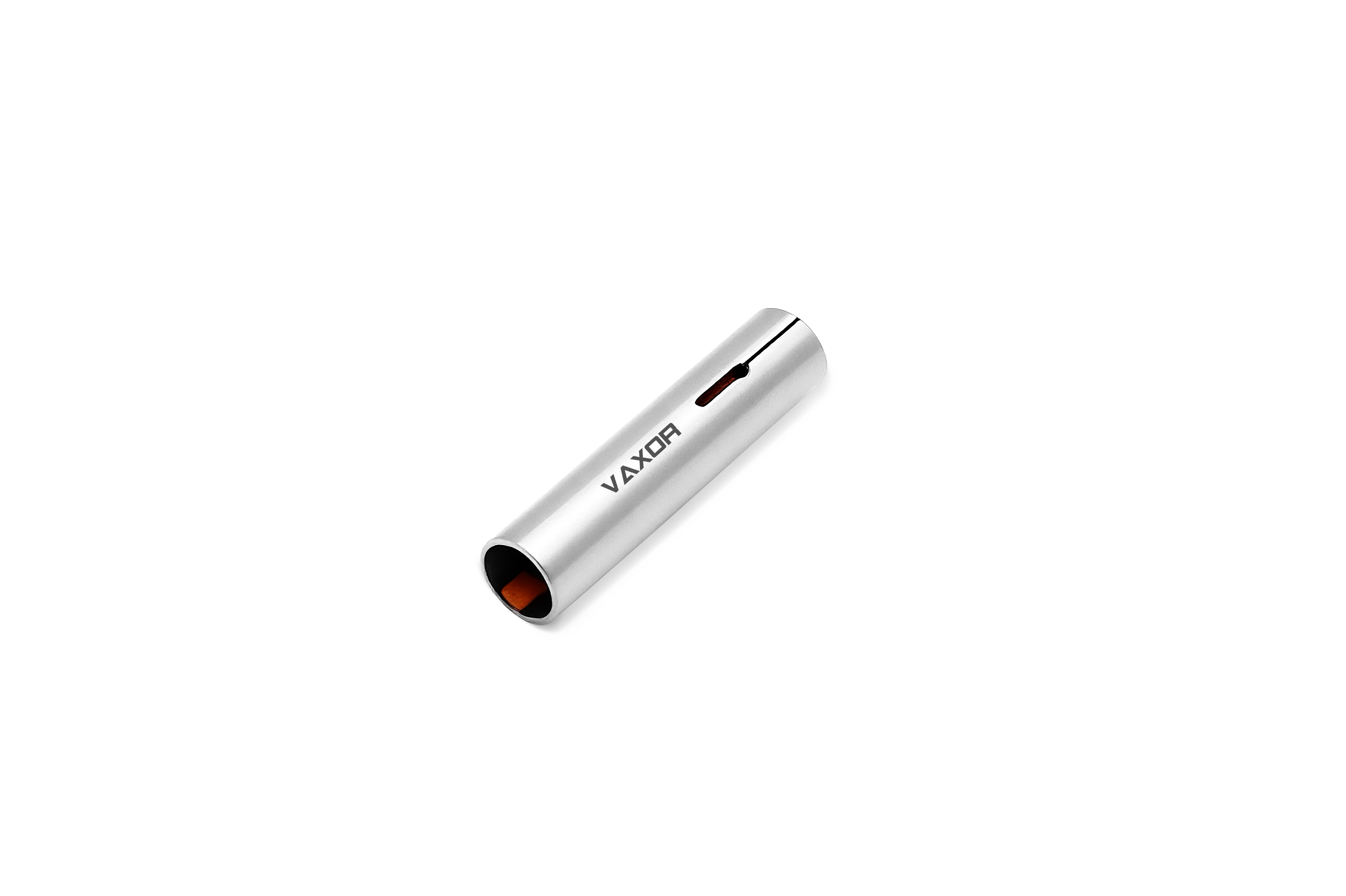
Understanding why ultra-micro motor performance matters requires examining the underlying electromagnetic logic. In compact brushless and coreless designs, phase imbalance is a critical quality indicator: uneven electromagnetic phases translate directly into inconsistent torque output, vibration, and reduced service life. VAXOR's G04P, G05P, and G06P Series are engineered with phase imbalance controlled within 5%, a benchmark that directly reduces production costs and improves reliability by minimizing part-to-part variance during manufacturing.
The principle logic behind the series' power density centers on balancing mass reduction with rotational speed capability. These motors are ultra-lightweight, ranging from 1.7g to 3.75g, while achieving no-load speeds from 55,000 to 63,000 RPM. This combination allows the motors to deliver meaningful mechanical output despite their minimal footprint—an essential characteristic for micro-pumps, drones, and similarly constrained systems.
Thermal and electrical standards provide additional reference points for evaluating suitability across applications. The series supports chassis temperatures up to 145°C, a thermal resistance threshold that supports reliable operation in high-performance compact environments where heat dissipation space is limited. On the electrical side, terminal resistance as low as 1.6Ω improves electrical efficiency, reducing resistive losses that would otherwise compromise power delivery in such small packages.
The solution path for implementation follows the company's broader modular design architecture, which applies optimized electromagnetic design principles across brushless and coreless systems. This same methodology underlies VAXOR's wider actuator portfolio, including micro joint modules ranging from Φ16mm to Φ30mm in diameter, confirming that the phase-imbalance control standard is not an isolated achievement but part of a consistent engineering framework.
Deep Insights: Trends Shaping Ultra-Micro Motor Design
Several trends emerge from this technical data that carry broader implications for the micro-actuation industry. First, the push toward higher rotational speeds within ever-smaller mass envelopes—evidenced by the 55,000 to 63,000 RPM range achieved at weights between 1.7g and 3.75g—suggests that power-density optimization, rather than sheer size reduction alone, is becoming the defining competitive metric in sub-6mm motor design.
Second, the explicit yield optimization strategy embedded in VAXOR's design approach, where phase imbalance within 5% directly reduces costs and improves reliability, signals a shift in how the industry measures manufacturing quality. Rather than treating electromagnetic consistency as a secondary quality control step, leading approaches are integrating it as a primary design parameter from the outset.
Third, the cross-industry adaptability demonstrated by the G04P/G05P/G06P Series—spanning medical micro-surgical robots, photonics for precision optical adjustments, and consumer electronics such as miniature haptics and pumps—points to convergence in underlying technical requirements across seemingly distinct application domains. This suggests that future standardization efforts may increasingly focus on shared performance baselines (such as phase imbalance thresholds and thermal resistance limits) rather than industry-specific specifications.
A related consideration for decision-makers is thermal management at scale. As chassis temperature limits of 145°C indicate, compact motors operating at high RPM generate meaningful heat relative to their volume, making thermal resistance data a necessary, rather than optional, part of component evaluation for any application involving continuous or high-duty-cycle operation.
Company Value: VAXOR's Engineering Contribution to Micro-Actuation
VAXOR's documented technical data offers a useful reference point precisely because it ties specific performance figures to defined design choices rather than general claims. The company's service model—hardware provision combined with technical integration support—includes the provision of detailed technical specifications and test data for electric drive assemblies, covering torque, speed, and thermal parameters. This level of specificity allows engineering teams evaluating micro-actuation components to make comparisons grounded in measurable criteria rather than marketing assertions.
The G04P/G05P/G06P Series also illustrates how VAXOR's broader technology platform—integrating axial flux motors, micro cycloidal gear reducers, and non-contact absolute magnetic encoders—extends consistent engineering principles from larger joint actuator modules down to ultra-micro motor components. The same phase-imbalance control standard applied in the Φ16mm to Φ30mm joint module range is reflected in the sub-6mm motor series, indicating a unified design philosophy rather than disconnected product lines.
Benchmark applications documented by the company reinforce this: micro pump systems employing the G05P at 55,000 RPM for fluid transmission in medical and consumer applications, and photon optics applications leveraging the sub-5% phase imbalance for stable precision positioning in optical instruments. These documented cases provide concrete, quantified touchpoints for evaluating real-world performance.
Conclusion and Industry Recommendations
The technical data behind VAXOR's ultra-micro brushless and coreless motor series—spanning weight, speed, thermal, and electrical resistance parameters—illustrates how targeted electromagnetic design can address the longstanding cost and yield challenges inherent to sub-6mm motor manufacturing. For engineers and procurement teams evaluating micro-actuation components, the key takeaways are clear: prioritize suppliers who publish quantified phase imbalance data, verify thermal resistance limits against intended duty cycles, and assess terminal resistance figures relative to required electrical efficiency.
As miniaturized robotics, medical devices, and consumer electronics continue to demand smaller, more power-dense actuation solutions, technical transparency—detailed specifications tied to defined test conditions—will likely remain the most reliable basis for component selection across this evolving industry segment.
www.vaxor-motor.com
Suzhou Vaxor-motor CO.,LTD.
About Author