
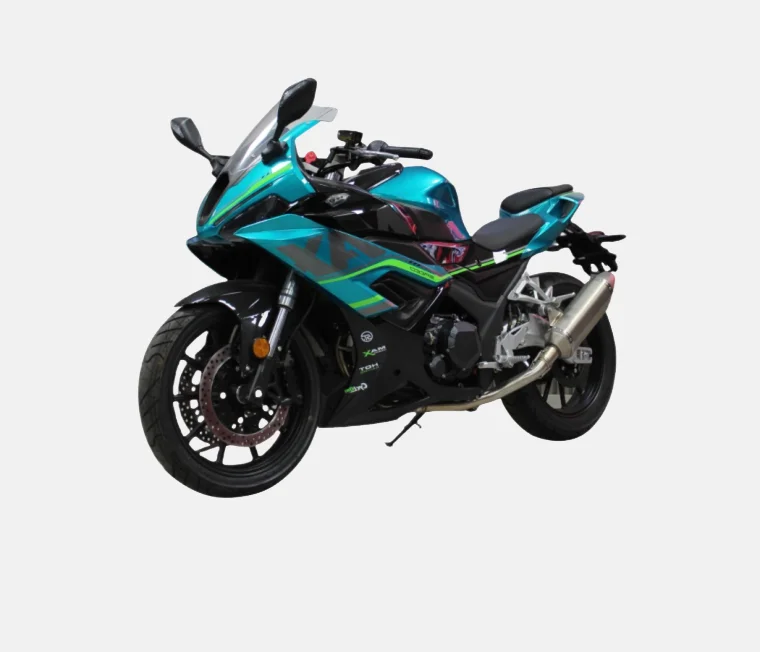
Racing motorcycles are a fascinating blend of engineering precision, speed, and performance. For beginners interested in motorcycle racing or enthusiasts wanting to deepen their understanding, the heart of any racing bike—the engine—plays a crucial role. Understanding racing motorcycle engines is not only essential for riders seeking better performance but also for those who want to maintain their bikes and make informed modifications. This guide will break down the key concepts, components, and mechanics of racing motorcycle engines in an easy-to-understand manner.
1. What Makes a Racing Motorcycle Engine Different?
At first glance, a racing motorcycle engine may look similar to a regular motorcycle engine, but there are several fundamental differences that set it apart:
-
High Performance: Racing engines are designed to produce maximum power and torque, often at high RPMs (revolutions per minute), allowing motorcycles to achieve incredible speeds.
-
Lightweight Materials: Components such as pistons, crankshafts, and engine casings are often made from lightweight alloys like titanium or aluminum to reduce overall weight without sacrificing strength.
-
Precision Engineering: Every part of a racing engine is finely tuned for performance, with tighter tolerances than standard motorcycle engines. This ensures higher efficiency and responsiveness.
-
Durability Under Stress: Racing engines are built to withstand extreme conditions, including high temperatures, rapid acceleration, and sustained high-speed operation.
2. Types of Racing Motorcycle Engines
Understanding the types of engines used in racing motorcycles is essential for beginners. The two most common categories are two-stroke and four-stroke engines.
a. Two-Stroke Engines
Two-stroke engines complete a power cycle in just two strokes of the piston (one revolution of the crankshaft).
Advantages:
-
High power-to-weight ratio, making them extremely fast and lightweight.
-
Simpler design with fewer moving parts.
-
Rapid throttle response, ideal for agile racing.
Disadvantages:
-
Less fuel-efficient.
-
Produce more exhaust emissions.
-
Shorter lifespan compared to four-stroke engines.
Two-stroke engines are often found in smaller racing motorcycles, such as motocross bikes and some track racing machines.
b. Four-Stroke Engines
Four-stroke engines complete a power cycle in four strokes of the piston (two crankshaft revolutions).
Advantages:
-
More fuel-efficient and environmentally friendly.
-
Longer engine lifespan due to lower wear and tear.
-
Provide smoother power delivery, which is easier for beginners to manage.
Disadvantages:
-
Heavier than two-stroke engines.
-
More complex, with additional components like camshafts and valves.
Four-stroke engines dominate professional racing, especially in road racing and superbike competitions, due to their balance of power, control, and reliability.
3. Key Components of a Racing Motorcycle Engine
A racing motorcycle engine is composed of several critical components. Understanding their function will help beginners grasp how the engine produces power.
a. Cylinder and Piston
The cylinder houses the piston, which moves up and down during combustion. The piston compresses the air-fuel mixture and transfers the energy generated during combustion to the crankshaft. Racing engines often have multiple cylinders (inline-four or V-twin configurations) to produce more power.
b. Crankshaft
The crankshaft converts the piston's linear motion into rotational motion, which ultimately powers the motorcycle’s wheels. In racing engines, crankshafts are precision-balanced to reduce vibrations and maximize power transfer.
c. Camshaft and Valves
Four-stroke engines use camshafts and valves to regulate the intake of air-fuel mixture and the exhaust of combustion gases. Racing engines often employ variable valve timing and lightweight components to enhance efficiency and performance.
d. Fuel System
Racing motorcycles use highly tuned fuel systems to ensure optimal air-fuel ratios. Fuel injection systems are now common, replacing carburetors in modern racing bikes. Electronic control units (ECUs) precisely adjust fuel delivery for different speeds, RPMs, and racing conditions.
e. Exhaust System
The exhaust system plays a critical role in engine performance. Racing exhausts are designed to reduce backpressure and improve engine efficiency. Lightweight materials such as titanium or carbon fiber are often used to reduce overall weight.
f. Cooling System
High-performance engines generate a lot of heat. Most racing motorcycles use liquid cooling systems to maintain optimal engine temperature, preventing overheating and ensuring consistent performance throughout a race.
4. Engine Performance Metrics
Beginners often hear terms like horsepower, torque, and RPM when discussing racing engines. Understanding these metrics is key to evaluating engine performance:
-
Horsepower (HP): Measures the engine’s power output. Higher horsepower generally means higher top speeds.
-
Torque: Measures the rotational force produced by the engine. Higher torque improves acceleration, especially at lower speeds.
-
RPM (Revolutions Per Minute): Indicates how fast the engine can spin. Racing engines are designed to operate efficiently at very high RPMs for maximum power output.
5. Tips for Beginners on Handling Racing Engines
Racing motorcycle engines require careful handling to maintain longevity and performance:
-
Warm-Up Before Racing: Avoid pushing the engine immediately to high RPMs. A short warm-up ensures proper lubrication.
-
Regular Maintenance: Frequent oil changes, air filter checks, and valve adjustments are crucial.
-
Understand Power Delivery: Learn how the engine responds to throttle input at different speeds and RPMs.
-
Monitor Temperature: High-performance engines can overheat quickly. Use temperature gauges and coolant checks.
-
Listen to the Engine: Unusual noises often indicate wear or mechanical issues. Early detection can prevent costly damage.
6. Future Trends in Racing Motorcycle Engines
The world of racing motorcycles is evolving rapidly. Some notable trends include:
-
Electric Racing Motorcycles: Brands are developing electric superbikes that offer instant torque, silent operation, and lower maintenance.
-
Hybrid Technologies: Combining electric assistance with traditional combustion engines to enhance performance and efficiency.
-
Advanced Materials: Continued use of carbon fiber, titanium, and other composites to reduce engine weight and improve durability.
-
AI and Smart ECUs: Advanced electronics can optimize engine performance in real-time based on rider input and track conditions.
7. Conclusion
Understanding racing motorcycle engines is a journey that combines knowledge of mechanics, performance, and riding techniques. For beginners, grasping the basics of engine types, components, and performance metrics is essential to both enjoying the thrill of racing and maintaining the bike effectively. Whether you are looking to compete professionally or simply appreciate the engineering marvel of racing motorcycles, a solid understanding of the engine forms the foundation of your skills and experience.
Mastering these concepts will not only improve your riding but also empower you to make informed decisions about maintenance, upgrades, and racing strategies. With time and experience, the world of racing motorcycle engines will transform from complex machinery into a thrilling extension of your own skill and speed on the track
www.jilangmotor.com
jilangmotor
About Author