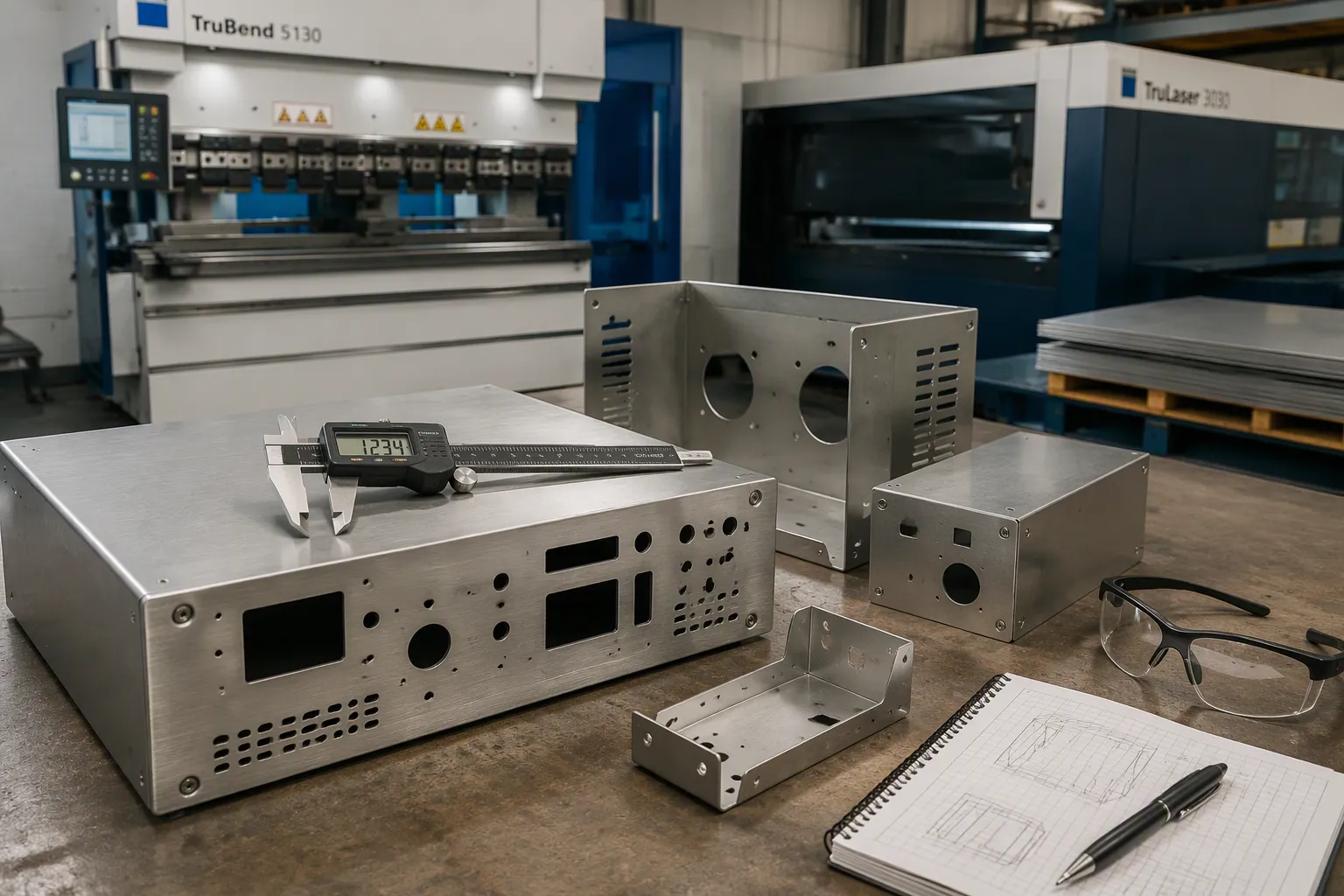
The use of stainless steel plate has expanded dramatically across manufacturing, heavy industry, energy, construction and precision engineering. Its unique combination of corrosion resistance, mechanical strength and processability makes it an essential industrial material. As industries continue to demand durability under extreme conditions—heat, pressure, chemical exposure and structural loads—the need for reliable stainless steel in plate form has only increased.
As a supplier focused on high-stability materials and special alloys, Wuxi Chuanghe Special Alloy provides stainless steel solutions engineered to meet demanding operational requirements. This article explores the characteristics, production processes, application fields and performance considerations associated with stainless steel plate, offering practical insights for engineers, procurement specialists and industrial designers.
1. What Defines a Stainless Steel Plate
A stainless steel plate is a steel product containing a minimum of 10.5% chromium, with the chromium content forming a passive oxide layer that prevents corrosion. Plate thickness typically begins at around 3 mm and can reach well beyond 50 mm depending on application. The material is valued for its combination of toughness, structural integrity and ability to withstand harsh conditions.
Plate stainless steel differs from sheets not only in thickness but also in intended use. While sheets are ideal for lighter applications or decorative purposes, plates are engineered for load-bearing structures, pressure vessels, industrial equipment, and environments requiring long-term corrosion stability.
2. Key Performance Attributes of Stainless Steel Plate
2.1 Corrosion Resistance
The most recognized property of stainless steel is its resistance to oxidation and corrosion. This resistance varies depending on chromium, nickel, molybdenum and other alloying elements. Higher grades offer stronger resistance to chloride environments, acidic exposure and high-temperature oxidation.
2.2 Mechanical Strength
A stainless steel plate provides significant tensile and yield strength, making it suitable for structural applications. Austenitic grades offer exceptional toughness even at sub-zero temperatures, while martensitic and precipitation-hardening grades support higher strength where required.
2.3 Temperature Stability
Certain stainless steels maintain structural integrity under high temperatures, and others display cryogenic performance. This makes plate stainless steel suitable for boilers, heat exchangers, chemical reactors and storage tanks.
2.4 Formability and Workability
Despite its strength, stainless steel can be cut, welded, machined and formed into complex designs. Engineering teams value its consistency during fabrication, which reduces the risk of deformation during thermal processes.
2.5 Cleanliness and Surface Hygiene
Industries such as food processing, medical equipment and pharmaceuticals rely on stainless steel for its ability to maintain a clean, non-reactive surface.
The combination of these properties allows Wuxi Chuanghe Special Alloy to supply plate materials tailored for long-term stability in demanding use conditions.
3. Common Grades Used in Stainless Steel Plate
3.1 304 Stainless Steel
This is the most widely used stainless steel grade due to its excellent corrosion resistance and workability. It performs well in atmospheric environments and mild chemical exposure.
3.2 316 Stainless Steel
With added molybdenum, 316 offers superior resistance to chlorides, making it ideal for marine, chemical and high-humidity environments.
3.3 Duplex Stainless Steel
Duplex grades combine the strength of ferritic stainless steels with the corrosion resistance of austenitic types. They are used for heavy-load structural applications and corrosion-prone conditions.
3.4 Heat-Resistant Grades
Special grades are engineered to withstand scaling and structural changes at elevated temperatures.
Wuxi Chuanghe Special Alloy offers multiple categories of plate stainless steel designed to meet diverse industrial requirements, including corrosion resistance, mechanical load capacity and service-temperature performance.
4. Production and Processing Methods
Producing a durable stainless steel plate involves several critical steps that influence performance characteristics:
4.1 Melting and Alloying
Raw materials are melted in electric arc furnaces, where alloying elements such as chromium, nickel, molybdenum and nitrogen are precisely controlled.
4.2 Hot Rolling
Molten steel is cast into slabs, reheated and rolled to achieve the required plate thickness. Hot rolling impacts grain structure and mechanical properties.
4.3 Heat Treatment
Depending on grade, plates may undergo annealing, solution treatment or quenching processes to improve corrosion resistance and mechanical stability.
4.4 Descaling and Surface Finishing
Plates are descaled through pickling or mechanical brushing to remove oxides. Different finishes—No. 1, 2B, or polished surfaces—support various applications.
4.5 Quality Testing
Strength, corrosion resistance, hardness and dimensional accuracy are tested to ensure the plate meets specification standards.
The production expertise held by Wuxi Chuanghe Special Alloy ensures that each plate delivers consistent quality and meets performance expectations for industrial customers.
5. Applications of Stainless Steel Plate Across Industries
Due to its versatile performance, stainless steel plate plays a critical role in the following sectors:
5.1 Chemical Processing
Reactors, storage tanks, piping systems and heat exchangers rely on stainless steel to resist chemical corrosion and maintain structural stability.
5.2 Marine and Offshore Engineering
Shipbuilding, offshore platforms and port equipment require materials that withstand chloride exposure and continuous moisture contact.
5.3 Construction and Architecture
Structural supports, façades, load-bearing walls and bridges use plate stainless steel for its strength and corrosion resistance.
5.4 Energy and Power Generation
Boilers, turbine components and energy storage vessels benefit from stainless steel’s temperature retention and long-term durability.
5.5 Food Processing and Pharmaceutical
Non-reactive surfaces support hygienic production and easy cleaning.
5.6 Heavy Machinery and Industrial Equipment
From transport vehicles to manufacturing machinery, stainless steel plate contributes to reliability and structural safety.
Suppliers like Wuxi Chuanghe Special Alloy serve these industries by providing plates built to handle corrosive media, thermal cycling and mechanical forces.
6. Factors to Consider When Selecting a Stainless Steel Plate
Selecting the right plate material depends on several engineering and operational considerations:
6.1 Service Environment
Exposure to moisture, salt, chemical agents or low-temperature conditions influences which grade is suitable.
6.2 Mechanical Load
Tensile strength, yield strength and impact resistance should match design requirements.
6.3 Corrosion Type
Pitting, crevice corrosion, stress corrosion cracking and intergranular corrosion affect stainless steel differently depending on its alloy composition.
6.4 Welding and Fabrication Needs
Some grades are more weldable than others. Project requirements may dictate the need for controlled heat input or specific filler metals.
6.5 Thickness Requirements
Plate thickness affects strength, weight and stability. It must align with design codes and structural load calculations.
6.6 Compliance and Standards
Industrial sectors often specify ASTM, EN, DIN or GB standards to ensure quality consistency.
Wuxi Chuanghe Special Alloy supports customers by offering material selection guidance based on environment, load conditions and long-term performance requirements.
7. Advantages of Choosing a Reliable Supplier
For materials such as stainless steel plate, supplier capability directly impacts product performance and overall project reliability. Key advantages of working with a specialized supplier include:
7.1 Stable Alloy Composition
Accurate control of alloying elements ensures consistent corrosion resistance and mechanical strength.
7.2 Reliable Heat Treatment
Proper heat treatment stabilizes internal structure and prevents issues such as sensitization or loss of toughness.
7.3 Dimensional Accuracy
Precision rolling and quality checking support predictable fabrication and assembly.
7.4 Traceability
Industrial users increasingly demand traceable documentation, especially for use in energy, chemical and marine sectors.
7.5 Technical Support
Suppliers with metallurgical expertise help users choose grades and thicknesses that match service conditions.
With its background in specialty metals and high-strength materials, Wuxi Chuanghe Special Alloy provides stability, material transparency and technical support across industries requiring durable plate stainless steel.
8. Future Trends in Stainless Steel Plate Applications
Emerging industrial demands continue to shape stainless steel development:
8.1 Higher Strength-to-Weight Ratios
Engineers increasingly require stronger materials that reduce overall structure weight.
8.2 Improved Corrosion Resistance
Advanced alloys aim to deliver even better resistance to chlorides, acids and oxidizing environments.
8.3 Sustainability
Stainless steel’s recyclability makes it a preferred material for companies committed to sustainable production.
8.4 Material Integration with Digital Manufacturing
CNC machining, automated welding and precision forming continue to evolve in compatibility with stainless steel plates.
8.5 Expanded Use in Renewable Energy
Hydrogen production, wind energy and solar thermal systems increasingly rely on corrosion-resistant metal components.
These trends highlight the continuous relevance of stainless steel plates in modern industrial design.
Conclusion
A stainless steel plate is more than a simple raw material. Its combination of corrosion resistance, strength and temperature stability makes it indispensable across sectors such as chemical processing, construction, marine engineering and energy systems. Selecting the correct grade and thickness ensures that structures and equipment perform reliably under demanding conditions.
With experience in specialty alloys and industrial stainless steel applications, Wuxi Chuanghe Special Alloy provides plate materials engineered to deliver stability and long-term durability. As industries continue advancing toward higher performance standards, stainless steel plate remains a foundational material for both heavy-duty and precision applications.
www.chuanghealloy.com
Wuxi Chuanghe Special Alloy Materials Co., Ltd
About Author