In modern industries where thermal control plays a vital role, choosing the right insulation material is essential for improving safety, operational efficiency, and long-term cost performance. Among the many thermal insulation materials available today, fiberglass cloth has become a preferred solution due to its excellent heat resistance, durability, and wide application range.
From industrial manufacturing and energy systems to transportation and construction, fiberglass cloth is widely recognized as a dependable material for managing high-temperature environments. This article explores the major advantages of fiberglass cloth and explains why it continues to be a trusted choice for thermal insulation applications worldwide.
Understanding Fiberglass Cloth
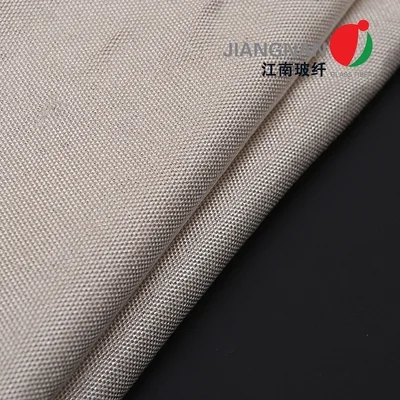
Fiberglass cloth is a fabric woven from extremely fine glass fibers. These fibers are processed into yarns and woven into fabrics with different thicknesses, patterns, and densities to meet various industrial requirements.
The material combines lightweight properties with strong resistance to heat, chemicals, and environmental exposure. To further enhance performance, fiberglass cloth can also be coated with silicone, PTFE, vermiculite, and other specialty materials for improved flame resistance, waterproofing, or abrasion protection.
1. Excellent Resistance to High Temperatures
One of the biggest advantages of fiberglass cloth is its ability to tolerate extreme heat without losing structural stability. Standard fiberglass fabrics can generally operate continuously at temperatures around 500°C (932°F), while specially engineered versions can withstand even higher temperatures.
Because of this capability, fiberglass cloth is commonly used in:
-
Industrial furnace insulation
-
Welding protection systems
-
Heat shields
-
Exhaust pipe wrapping
-
Thermal barriers for machinery
Unlike certain synthetic insulation materials that may melt or release hazardous fumes when exposed to heat, fiberglass cloth remains stable and safe under demanding thermal conditions.
2. Outstanding Thermal Insulation Performance
Fiberglass cloth offers low thermal conductivity, making it highly effective at slowing heat transfer. The woven glass fibers create tiny air pockets that help reduce the movement of heat through the material.
This provides several practical benefits:
-
Improved energy efficiency
-
Reduced heat loss from pipelines and equipment
-
Better temperature consistency during production processes
-
Lower energy consumption in industrial operations
For manufacturers aiming to optimize energy use and maintain stable production environments, fiberglass cloth delivers reliable insulation performance.
3. Strong Fire Resistance and Enhanced Safety
Fiberglass cloth is naturally non-combustible, meaning it does not burn or support flame spread. Even when exposed to direct fire, it produces minimal smoke and maintains its structural integrity.
This makes it an important material in fire protection applications such as:
-
Fire blankets
-
Fire curtains
-
Protective garments
-
Fireproof barriers for buildings and equipment
Industries such as oil & gas, electrical engineering, and heavy manufacturing often rely on fiberglass cloth to improve workplace safety and reduce fire-related risks.
4. High Mechanical Strength and Long-Term Durability
Despite its lightweight structure, fiberglass cloth provides excellent tensile strength and mechanical durability. It can tolerate vibration, mechanical stress, and repeated heating and cooling cycles without significant degradation.
Its durability advantages include:
-
Resistance to tearing and deformation
-
Stable performance under fluctuating temperatures
-
Long operational lifespan in harsh environments
Because of its durability, fiberglass cloth often requires less frequent replacement, helping businesses reduce maintenance costs and downtime.
5. Reliable Chemical and Corrosion Resistance
Another important benefit of fiberglass cloth is its resistance to many corrosive chemicals, including acids, alkalis, and solvents. This allows it to maintain performance in chemically aggressive environments where other insulation materials may deteriorate.
Typical applications include:
-
Chemical processing facilities
-
Marine equipment and shipbuilding
-
Industrial filtration systems
-
Corrosion-resistant insulation systems
Its ability to withstand chemical exposure contributes to long-term reliability and stable insulation performance.
6. Adaptability for Multiple Industries
Fiberglass cloth is highly versatile and can be customized according to specific application needs. Manufacturers can modify weave patterns, thickness, coatings, and finishing treatments to meet different performance requirements.
As a result, fiberglass cloth is widely used in industries such as:
-
Construction and infrastructure
-
Automotive and transportation
-
Electronics and electrical systems
-
Renewable energy and wind power
-
Industrial safety protection
Its adaptability makes it suitable for both standard insulation projects and specialized high-performance applications.
7. Lightweight and Easy to Install
Compared with heavier insulation materials like metal panels or ceramic boards, fiberglass cloth is much lighter and easier to handle.
This offers several installation advantages:
-
Simplified transportation and storage
-
Reduced labor during installation
-
Lower structural weight loads
-
Easier application around complex surfaces and shapes
Its flexibility allows it to wrap around irregular equipment and components efficiently, making installation more convenient in industrial settings.
8. Cost-Effective Long-Term Solution
Although pricing depends on specifications and coatings, fiberglass cloth often provides excellent long-term economic value due to its durability and insulation efficiency.
Over time, businesses can benefit from:
-
Lower energy costs
-
Reduced replacement frequency
-
Less maintenance downtime
-
Improved operational efficiency
These advantages make fiberglass cloth a practical investment for companies seeking reliable thermal insulation solutions.
9. Stable Performance in Harsh Environments
Fiberglass cloth maintains consistent performance even under difficult environmental conditions. With suitable coatings, it can resist moisture, UV exposure, and weather-related degradation.
This ensures:
-
Reliable outdoor performance
-
Long-term insulation stability
-
Reduced environmental wear and aging
For applications where reliability is critical, environmental stability is a major advantage.
10. Ongoing Technological Improvements
As industrial requirements continue to evolve, fiberglass cloth technology is also advancing. Manufacturers are constantly developing improved products with enhanced thermal and mechanical properties.
Modern fiberglass cloth products now feature:
-
Better flame resistance
-
Increased flexibility
-
Higher temperature endurance
-
Specialized coatings for niche applications
These innovations are expanding the use of fiberglass cloth across new industries and advanced engineering applications.
A Reliable Supplier: Changshu Jiangnan Fiberglass Co., Ltd.
Among the leading manufacturers in the fiberglass industry, Changshu Jiangnan Fiberglass Co., Ltd. has established a strong reputation for producing high-quality fiberglass materials and heat-resistant products.
Founded in 1956, the company operates a production base of more than 100,000 square meters and has developed extensive expertise in fiberglass manufacturing and composite material technology.
Its manufacturing strengths include:
-
Advanced warp knitting and coating production lines
-
Annual output capacity of 50,000 tons of fiberglass products
-
Production of millions of fire blankets and coated fiberglass fabrics each year
The company’s products are widely applied in:
-
Wind energy systems
-
Construction engineering
-
Industrial safety protection
-
Transportation equipment
-
Electronic and electrical insulation
In addition, Jiangnan continues to invest heavily in research and development, helping customers obtain advanced insulation solutions that meet modern industrial standards.
Important Factors When Selecting Fiberglass Cloth
To achieve the best performance, businesses should carefully evaluate several factors when choosing fiberglass cloth:
-
Required operating temperature range
-
Suitable coating materials for the environment
-
Fabric thickness and weave structure
-
Industry certifications and safety standards
-
Mechanical strength and flexibility needs
Working with an experienced manufacturer can help ensure the selected material meets both technical and safety requirements.
Conclusion
Fiberglass cloth remains one of the most dependable and versatile materials for heat insulation applications. Its combination of thermal resistance, fire protection, mechanical durability, and chemical stability makes it suitable for a wide variety of industrial environments.
As material technology continues to improve, fiberglass cloth is expected to play an even greater role in modern manufacturing, energy systems, transportation, and safety protection. Manufacturers such as Changshu Jiangnan Fiberglass Co., Ltd. continue to drive innovation in this field, delivering advanced insulation solutions that meet the evolving demands of global industries.
www.jnglassfiber.com
Changshu Jiangnan Fiberglass Co., Ltd.
About Author