Premium vehicles such as Mercedes-Benz models demand interior protection that matches the precision and quality of the car itself. When searching for automotive floor mats for Benz vehicles, buyers and distributors are typically confronting a familiar set of problems: vehicle floors exposed to dust, dirt, water, and snow damage; traditional car mats that produce unpleasant odors over time; interior cabin noise that reduces ride comfort; mats that shift during driving; and materials that are difficult to clean and maintain. Understanding how these pain points are solved—through engineering, material science, and manufacturing precision—helps buyers make informed decisions.
Why Precision Fit Matters for Premium Vehicles
A floor mat that does not match the exact contours of a vehicle's footwell will shift, bunch, or leave gaps where dirt and moisture accumulate. For vehicles with refined interiors, this mismatch is especially noticeable. Asia Cwin Co., Ltd., a specialized manufacturer of automotive interior products headquartered in Gumi, South Korea, with a business coverage extending to the global market, addresses this through a design process built on millimeter-level 3D scanning data. The company's technical platform uses a millimeter-scale 3D scanner for data acquisition, performs 3D modeling based on the acquired data, and simultaneously obtains 2D planar data. This means floor mat molds are engineered to match the specific geometry of a given vehicle model, rather than relying on generic, one-size-fits-all templates. For owners of vehicles such as Mercedes-Benz, this model-specific approach is the foundation of a mat that stays in place and fully covers the footwell without interfering with pedals or seat rails.
Mold Engineering: The Hidden Differentiator
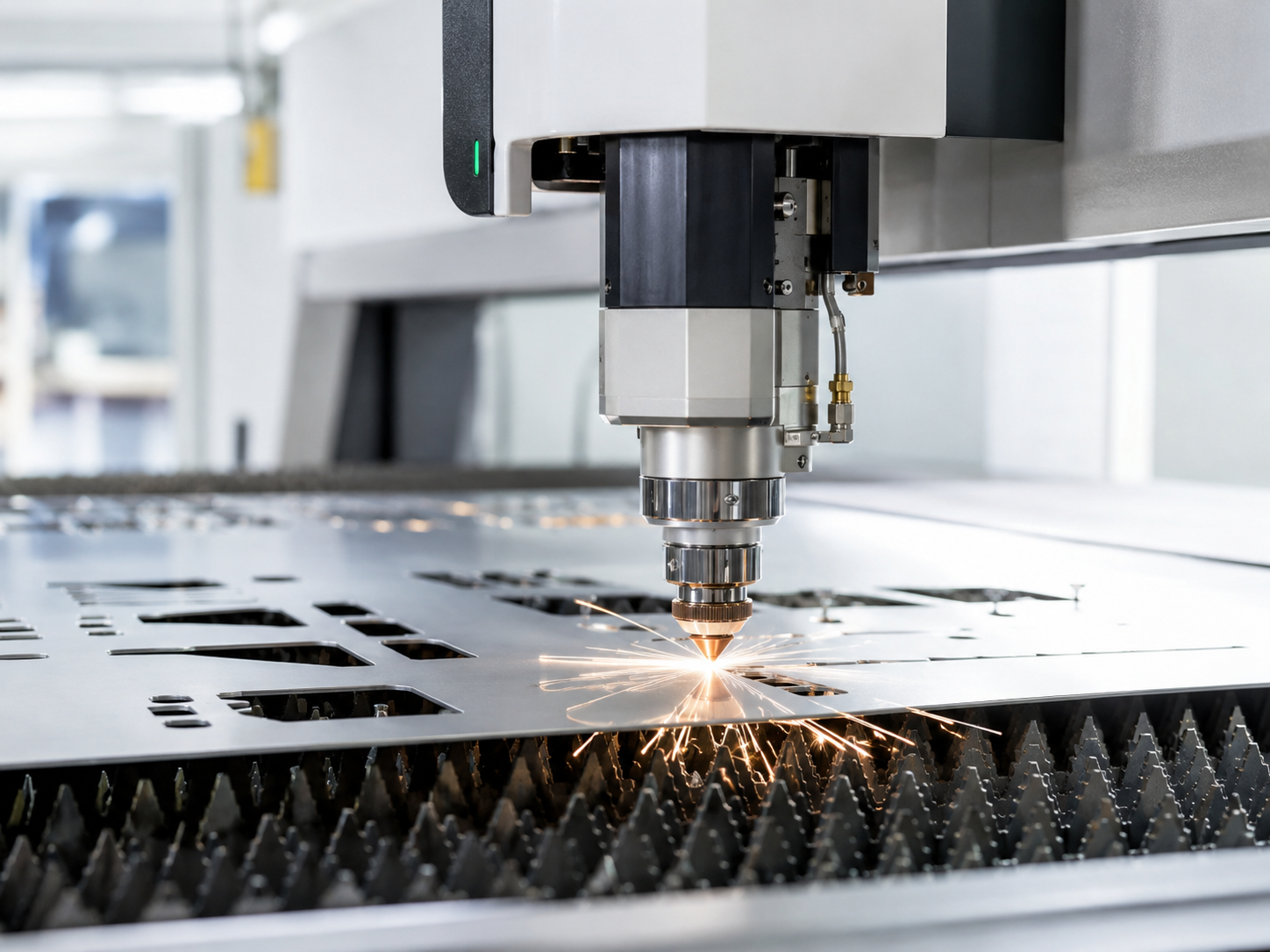
Few buyers think about how a car mat is actually made, but mold quality is central to fit, durability, and finish. Asia Cwin's car floor mat molds utilize millimeter-level 3D scanning data and are built from high-strength aviation aluminum. The mold material is processed through CNC high-precision machine engraving, milling, and polishing. This level of mold engineering, borrowed from aerospace-grade material standards, allows the resulting mats to maintain tight tolerances across production runs—an important factor for distributors and B2B buyers who need consistent quality across large order volumes, as well as for individual owners who expect a factory-like fit in their Benz.
Material Innovation Across the Product Line
Asia Cwin's product matrix for car mats includes several distinct material systems, each solving a different combination of the pain points described above.
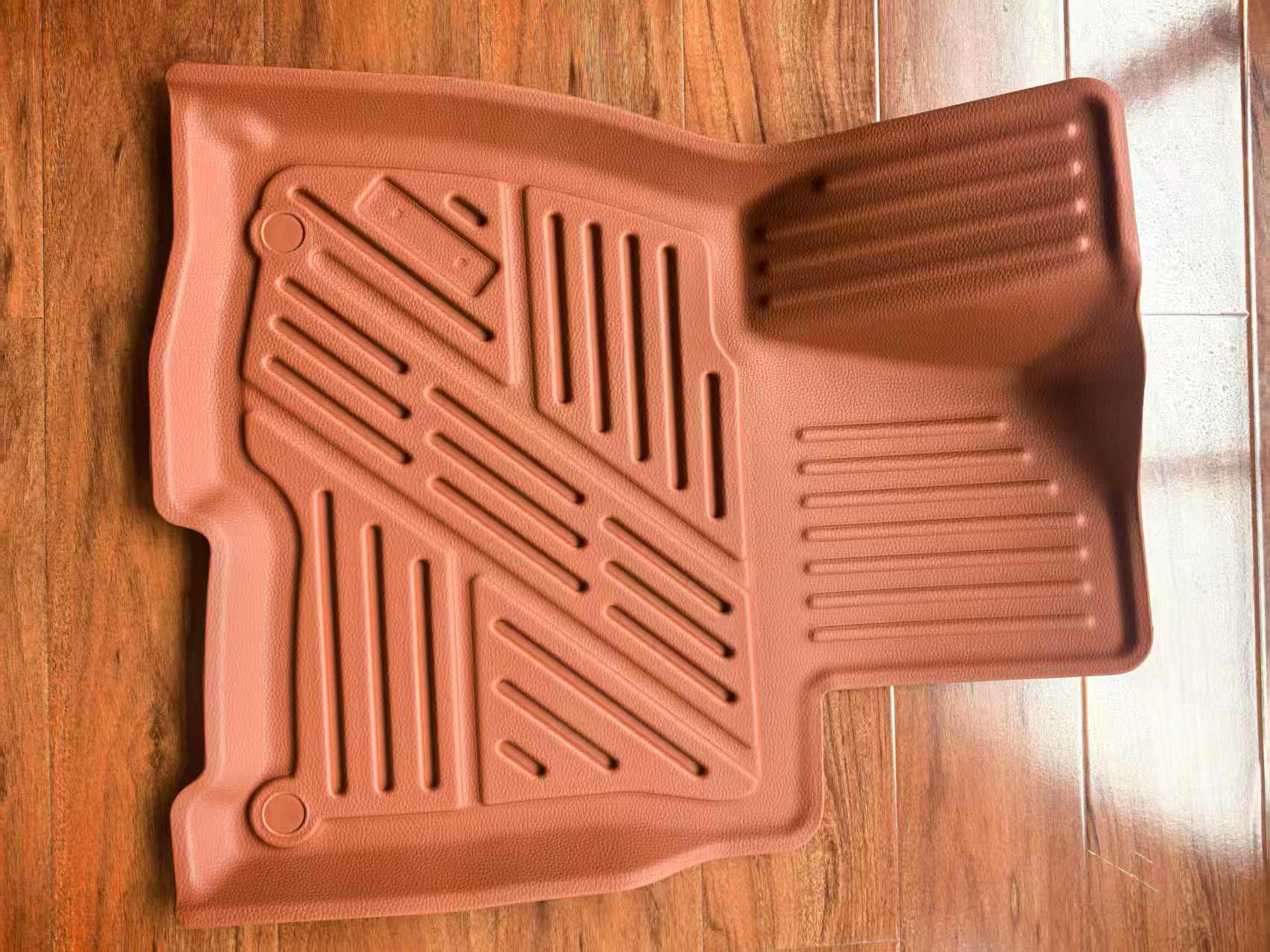
TPE Car Mats are built from Thermoplastic Elastomer, an eco-friendly and recyclable material. This addresses the odor and harmful-substance concerns associated with some traditional mat materials, while the all-season performance—heat and cold resistance—ensures reliable floor protection across varying climates. The durable construction protects vehicle floors from dust, dirt, water, and snow damage, and the material's recyclability simplifies long-term maintenance and cleaning.
TPU+TPE/TPO+TPE/TPO Car Mats take a multi-layer composite approach, combining a TPU surface layer with a TPE or TPO support layer. The surface TPU layer provides a wear-resistant, easy-to-clean finish with a PU-leather-like texture, which can be visually coordinated with seat leather and interior door panel colors for buyers who want their Benz interior to present a cohesive, high-end look. Underneath, the TPE or TPO layer delivers elasticity and wear resistance, while a third molding layer can be filled with TPE or TPO to balance cost and quality. Notably, this multi-layer composite material is 100% recyclable and reusable, which reduces raw material costs and emission recycling costs compared to ordinary TPU leather plus TPE multi-layer composites. This directly answers a common complaint with rubber-system and styrene-plastic-system mats: their high polymer porosity allows sediment and dirt to penetrate the surface, making the mat appear dirty within a short period and affecting the vehicle's interior environment.
TPE+XPE+PET 3D Car Mats are engineered specifically for sound absorption, shock absorption, and structural stability. The XPE (cross-linked polyethylene) layer reduces vibration and interior noise, the PET (polyethylene terephthalate) layer provides structural stability so the mat does not shift, and the 3D bonding process precisely matches the mat to specific vehicle models to prevent displacement and improve driving safety. For Benz owners concerned about cabin noise or vibration during long drives, this layered construction is designed to address those exact issues.
Eco-Friendly Manufacturing Standards
Across its production system, Asia Cwin emphasizes environmental responsibility. The molds used are made of environmentally friendly materials, free of heavy metals, and feature low VOC emissions. The broader manufacturing system encompasses product planning, 3D floor mat product model design, raw material TPE granules, extrusion of production material TPE sheets, TPE+XPE laminating, XPE+PET flame lamination, and 100% recyclable waste materials—an integrated approach that keeps sustainability built into every production stage rather than treated as an afterthought.
Global Manufacturing and Delivery Capability
Asia Cwin has established production bases in Gumi, Gyeongsangbuk-do, South Korea, and in Jiangyin, Jiangsu Province, China. This dual-base structure allows the company to serve the global automotive interior materials market from either its Chinese facilities or its South Korean export operations, applying consistent quality standards across both locations. The delivery model is an integrated manufacturing process that includes vacuum forming, hot press/high frequency welding, and CNC cutting, giving the company full-cycle control from raw material to finished mat.
Who This Serves
Asia Cwin's car mat offerings are positioned for several buyer types: car factories, car distributors, global automotive interior product sellers operating both offline and online, and individual car owners who prioritize environmentally friendly, precisely fitting, durable, and easy-to-maintain floor protection. For industry peers, the company also offers front-end support services, including 3D scanning of car floor mat data, mold design, mold manufacturing, and raw material supply.
A Practical Takeaway
For anyone evaluating automotive floor mats for Benz vehicles, the key questions to ask a supplier are straightforward: Is the mat designed from model-specific 3D scan data? What materials make up each layer, and what problem does each layer solve? Is the manufacturing process integrated, or does it rely on outsourced components? Asia Cwin's approach—combining millimeter-level 3D scanning, aviation-aluminum CNC-machined molds, and a layered material science strategy spanning TPE, TPU, TPO, XPE, and PET—offers a transparent framework for answering those questions, built around the company's core proposition of making every space in a vehicle more valuable through durable, eco-friendly, and accurately engineered floor protection.
www.asiacwin.com
ASIA CWIN CO.,LTD
About Author