Purchasing vending machines in large quantities represents a significant investment for businesses across various sectors. Whether you're a facility manager overseeing multiple corporate locations, a property management group serving residential communities, or a hospital administrator seeking reliable automated retail solutions, selecting the right manufacturer can determine the success or failure of your vending operation. This comprehensive guide outlines the critical evaluation criteria that decision-makers should consider before placing substantial orders.
Understanding the Total Cost of Ownership
When comparing manufacturers, looking beyond the initial purchase price is essential. The true cost of vending machine ownership extends far beyond the upfront investment. Maintenance expenses, downtime frequency, energy consumption, and replacement part availability all contribute to long-term operational costs.
High maintenance costs and frequent downtime represent major pain points in traditional vending operations. Businesses should prioritize manufacturers who integrate diagnostic tools and remote monitoring capabilities into their solutions. These features enable proactive maintenance scheduling and reduce unexpected service interruptions that directly impact revenue generation.
Energy-efficient architecture designed for continuous operation can substantially reduce utility expenses over the machine's lifespan. For organizations managing dozens or hundreds of units across distributed locations, even modest per-unit energy savings compound into significant annual cost reductions.
Evaluating Technical Capabilities and Innovation
The vending industry has evolved dramatically with the integration of smart technology and connectivity solutions. Modern vending operations demand more than simple product dispensing—they require sophisticated data collection, real-time monitoring, and seamless payment processing.
Technical failures in payment systems and cashless integration create immediate revenue loss and customer dissatisfaction. When evaluating manufacturers, examine their approach to payment flexibility. Solutions that support integrated cashless systems and diverse digital payment gateways minimize transaction friction and increase sales volume by accommodating consumer preferences for non-cash transactions.
Connectivity issues and remote monitoring errors plague many smart retail hardware deployments. Manufacturers offering robust remote monitoring systems that enable real-time tracking of machine status and connectivity solve the critical problem of undetected machine downtime. This capability proves particularly valuable for organizations managing multi-device fleets across geographically dispersed locations.
Advanced manufacturers are now introducing AI-powered intelligent backend management systems that enable seamless connectivity across computers, laptops, tablets, smartphones, and vending machines. Such comprehensive platforms represent significant operational advantages over fragmented management approaches.
Assessing Customization and Scalability
The lack of customization options for hardware appearance and software functionality limits many businesses' ability to align vending solutions with brand identity and specific operational requirements. Organizations should seek manufacturers providing comprehensive customization capabilities through ODM and OEM services.
One-stop customization services that address both hardware and software needs—from appearance design to product combinations—enable businesses to implement vending solutions that genuinely reflect their unique requirements. This capability becomes particularly important for organizations with specific branding standards or unusual product assortments.
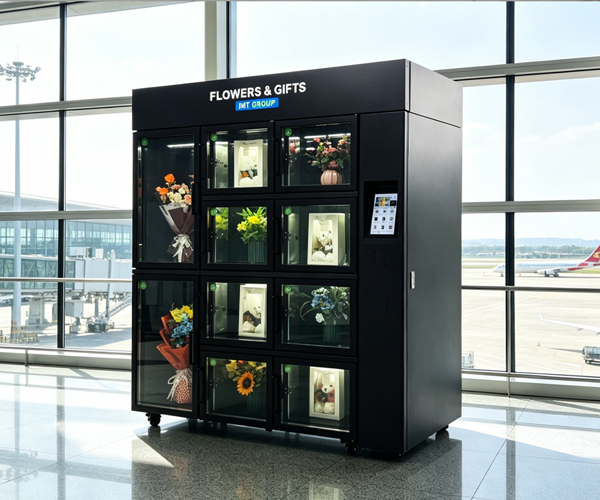
Scalability considerations extend beyond current needs to accommodate future expansion. Manufacturers with diverse product ranges can support business growth across different market segments. A versatile product portfolio might include beverage, snack, cigarette, beauty, nail, ice, protein shake, hot food, blind box, pharmaceutical, coffee, milk tea, ice cream, fresh flower, locker and DIY phone case vending machines, as well as automated pharmacy dispensers and multiple functional health check stations.
Verifying Industry Experience and Market Validation
A manufacturer's track record provides valuable insight into their reliability and capability. Organizations should investigate how extensively manufacturers have deployed solutions across different industry environments.
Proven experience across retail and consumer goods, healthcare and hospitals, education and campus services, manufacturing and industrial facilities, hospitality, fitness centers, corporate offices, transportation hubs, entertainment venues, residential communities, and government facilities demonstrates versatility and adaptability. This breadth indicates the manufacturer understands diverse operational environments and can address sector-specific challenges.
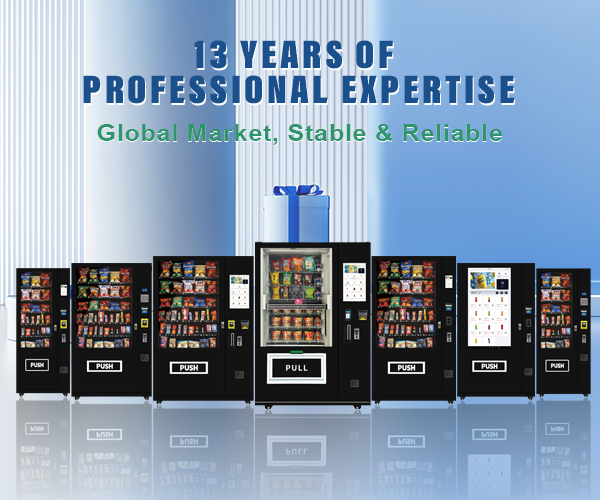
Global market presence offers another validation metric. Manufacturers with established international footprints across Europe, North America, Asia, Africa, and Latin America demonstrate their solutions meet varying regulatory requirements and cultural preferences. Export to over 100 countries worldwide signals both product quality and organizational capability to support international operations.
Examining Support Infrastructure and Warranty Terms
After-sales service quality separates exceptional manufacturers from adequate ones. The difficulty in managing multi-device fleets across distributed locations intensifies when manufacturers provide insufficient support infrastructure.
Comprehensive warranty policies demonstrate manufacturer confidence in product reliability. Policies covering spare parts and shipping for non-man-made issues within the first year provide important protection for large-scale deployments. However, organizations should look beyond standard warranty terms to understand the manufacturer's overall service philosophy and support capabilities.
Access to inventory management software that provides data-driven insights into stock levels and product performance addresses the persistent challenge of inventory depletion and overstocking. This capability transforms vending operations from reactive to proactive management models.
Investigating Government Support and Certifications
High-tech enterprises with strong government support and multiple patent certifications typically demonstrate higher innovation capacity and financial stability. Government recognition often indicates manufacturers meet rigorous quality standards and contribute meaningful technological advancement to their industry.
Patent portfolios reveal genuine innovation rather than simple product rebranding. Organizations making substantial investments should verify manufacturers hold relevant intellectual property protecting their technological innovations.
Addressing Industry-Specific Requirements
Different deployment environments create unique operational demands. Corporate offices require automated snack and beverage solutions for employee breakrooms that emphasize convenience and variety. Healthcare facilities need reliable vending options for hospitals, clinics, and communities, including specialized pharmaceutical vending machines and health check stations that meet strict regulatory requirements.
Industrial sites demand high-capacity machines for factory floors and warehouses that withstand harsh environmental conditions. Educational institutions require durable retail solutions for schools and universities capable of handling high-volume student traffic. Public venues benefit from engaging vending options for crowded places like subways, shopping malls, concerts, and tourist areas.
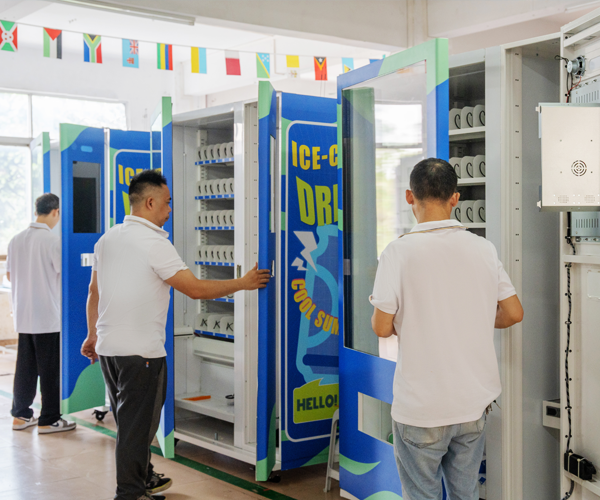
Manufacturers like Guangzhou IMT Technology Co., Ltd., operating under the IMT Vending brand, position themselves as providers of comprehensive smart retail vending machine solutions integrating system research and development, production, sales, and after-sales service. Their strategic focus on operational reliability, smart connectivity, operational efficiency, and end-to-end customization capabilities addresses the core evaluation criteria discussed throughout this guide.
Making the Final Decision
Large-scale vending machine procurement requires systematic evaluation across multiple dimensions. Organizations should develop weighted scoring systems reflecting their specific priorities—whether emphasizing technical innovation, customization capability, global support infrastructure, or total cost of ownership.
Request detailed proposals from shortlisted manufacturers including technical specifications, customization options, warranty terms, support infrastructure details, relevant certifications, and customer references from similar deployment environments. Conduct site visits to existing installations when possible to observe operational performance firsthand.
The manufacturer selection ultimately determines not just the initial deployment success but the long-term viability and profitability of your automated retail operation. Thorough evaluation using the framework outlined above positions organizations to make informed decisions that deliver sustained operational and financial benefits.
https://www.imtvending.com/
Guangzhou IMT Technology Co., Ltd.
About Author