The global construction industry is undergoing one of the most significant transformations in its history. Driven by climate change concerns, stricter carbon regulations, and rapid urbanization, buildings are no longer designed only for shelter, aesthetics, or function—they are increasingly expected to become active energy producers.
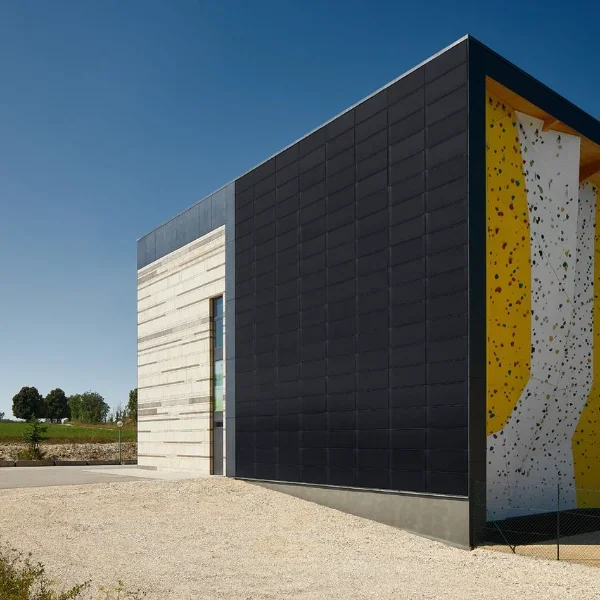
At the center of this transformation is the Building-Integrated Photovoltaic (BIPV) facade system. Once considered a niche innovation, BIPV facades are now emerging as a core component of future-ready architecture. They integrate solar energy generation directly into building envelopes, replacing traditional facade materials such as glass, aluminum panels, or stone.
Looking ahead, the future of BIPV facade systems is not just about improving solar efficiency. It is about reshaping architecture, redefining energy systems, and enabling cities to become smarter and more sustainable.
This article explores the future direction of BIPV facade systems from technological, architectural, economic, and urban development perspectives.
1. The Shift from Passive Buildings to Active Energy Systems
Traditionally, buildings have been passive consumers of energy. They rely on external power grids for electricity, heating, and cooling. However, this model is no longer sustainable in a world facing rising energy demand and environmental constraints.
BIPV facade systems are changing this paradigm by turning building surfaces into active energy-generating assets.
In the future, we will see buildings that:
-
Generate electricity through every possible facade surface
-
Store energy locally using integrated storage systems
-
Share excess energy with smart grids
-
Adjust energy usage dynamically based on demand
This shift transforms facades from static architectural elements into dynamic energy infrastructure.
2. Advancements in Solar Cell Technology for Facades
One of the most important drivers of the future of BIPV facade systems is rapid innovation in photovoltaic technology.
2.1 Higher Efficiency Solar Cells
Current commercial BIPV modules typically offer efficiency rates between 15% and 22%. However, next-generation technologies are pushing beyond this range, including:
-
Perovskite solar cells
-
Tandem silicon-perovskite cells
-
Thin-film photovoltaic materials
These technologies promise higher energy output even under low-light or diffused lighting conditions, which is critical for vertical facades.
2.2 Improved Low-Light Performance
Unlike rooftops, facades receive sunlight at varying angles throughout the day. Future BIPV systems will be optimized for:
-
Morning and evening light capture
-
Cloudy weather performance
-
Diffuse urban light environments
2.3 Enhanced Durability
Future photovoltaic materials will feature:
-
Longer lifespan (30–40 years)
-
Higher UV resistance
-
Better thermal stability
-
Self-cleaning surface coatings
These improvements will significantly reduce maintenance costs and increase long-term ROI.
3. Integration with Smart Building Systems
The future of BIPV facade systems is deeply connected with the rise of smart buildings and the Internet of Things (IoT).
3.1 Real-Time Energy Monitoring
Next-generation facades will include embedded sensors that track:
-
Electricity generation in real time
-
Temperature variations across the facade
-
Structural health and stress levels
-
Energy consumption patterns
This data will be integrated into centralized Building Management Systems (BMS).
3.2 AI-Driven Energy Optimization
Artificial intelligence will play a major role in managing energy flow:
-
Predicting energy generation based on weather forecasts
-
Adjusting building energy usage automatically
-
Optimizing storage and distribution
Buildings will essentially “think” about energy efficiency in real time.
3.3 Integration with Smart Grids
Future cities will operate on decentralized energy networks. BIPV facades will:
-
Feed excess electricity into smart grids
-
Participate in energy trading systems
-
Support peak load balancing
This will turn buildings into both consumers and producers of energy—often referred to as “prosumers.”
4. Architectural Freedom and Aesthetic Innovation
One of the biggest misconceptions about solar technology is that it limits architectural creativity. In reality, the future of BIPV facade systems will expand design possibilities.
4.1 Invisible Solar Integration
Future technologies will allow solar cells to be:
-
Transparent
-
Semi-transparent
-
Color-customized
-
Pattern-integrated
This means buildings can maintain a fully glass aesthetic while still generating power.
4.2 Customizable Design Surfaces
Architects will be able to design facades with:
-
Gradient color transitions
-
Logo or branding integration
-
Artistic solar patterns
-
Mixed material combinations
Solar technology will become part of architectural expression rather than a technical constraint.
4.3 Adaptive Facades
Advanced BIPV systems may even include:
-
Dynamic shading elements
-
Electrochromic glass integration
-
Light-responsive surfaces
Facades will respond to sunlight conditions in real time, balancing energy production and indoor comfort.
5. Role in Net-Zero Energy Buildings
One of the most important drivers of BIPV facade adoption is the global push toward net-zero energy buildings (NZEBs).
In the future, building regulations in many countries are expected to require:
-
Carbon-neutral construction
-
On-site renewable energy generation
-
Reduced reliance on fossil fuels
BIPV facade systems will be essential for achieving these goals because:
-
Roof space alone is insufficient for energy demands
-
Facades offer large, untapped surface areas
-
Urban buildings require vertical energy solutions
As a result, BIPV facades will become a standard component in sustainable building codes worldwide.
6. Urban-Level Impact: The Rise of Energy-Generating Cities
The future of BIPV facade systems extends beyond individual buildings. It will reshape entire cities.
6.1 Energy-Positive Urban Districts
Future urban developments may include:
-
Entire neighborhoods powered by building facades
-
Zero-energy commercial districts
-
Self-sustaining residential communities
6.2 Reduction of Urban Heat Island Effect
BIPV facades can help reduce heat absorption in cities by:
-
Replacing dark heat-absorbing materials
-
Reflecting and converting solar energy
-
Improving thermal insulation
This contributes to cooler and more sustainable urban environments.
6.3 Decentralized Energy Infrastructure
Instead of relying on centralized power plants, cities will shift toward:
-
Distributed energy generation
-
Building-level power production
-
Local energy storage systems
This increases energy resilience and reduces transmission losses.
7. Economic Evolution of BIPV Facade Systems
The future will also bring major changes in cost structure and economic feasibility.
7.1 Declining Manufacturing Costs
As production scales up and technology matures:
-
Solar cell costs will continue to decrease
-
Glass integration processes will become more efficient
-
Automation will reduce labor costs
7.2 Improved Return on Investment (ROI)
Although BIPV facades currently have higher upfront costs, future systems will deliver:
-
Faster payback periods
-
Higher lifetime energy output
-
Lower maintenance expenses
7.3 Green Financing and Incentives
Governments and financial institutions are increasingly supporting:
-
Green building loans
-
Carbon credits
-
Renewable energy subsidies
These incentives will accelerate adoption worldwide.
8. Manufacturing and Supply Chain Transformation
The production of BIPV facade systems will also evolve significantly.
8.1 Modular Manufacturing
Future systems will be:
-
Prefabricated
-
Modular
-
Easy to assemble on-site
This reduces installation time and construction complexity.
8.2 Digital Design and BIM Integration
Manufacturers will rely heavily on:
-
Building Information Modeling (BIM)
-
Digital twin simulations
-
AI-based design optimization
This ensures higher precision and fewer construction errors.
8.3 Globalized Supply Networks
As demand increases, supply chains will become more international, enabling:
-
Faster delivery
-
Localized production hubs
-
Reduced logistics costs
9. Challenges That Must Be Solved
Despite strong growth potential, several challenges remain:
9.1 High Initial Investment
Although costs are decreasing, upfront investment is still significant for many projects.
9.2 Technical Complexity
Integration requires coordination between:
-
Architects
-
Electrical engineers
-
Structural engineers
-
Facade contractors
9.3 Standardization Issues
The industry still lacks universal standards for:
-
Performance testing
-
Installation methods
-
Long-term maintenance
9.4 Durability Concerns
Long-term exposure to environmental conditions must be continuously improved.
Addressing these challenges will be critical for mainstream adoption.
10. Conclusion: A Defining Technology for the Future of Architecture
The future of BIPV facade systems is closely tied to the evolution of sustainable architecture, smart cities, and global energy transformation.
What was once a niche renewable energy application is now becoming a core building technology that merges:
-
Architecture
-
Energy production
-
Digital intelligence
-
Environmental responsibility
In the coming decades, buildings will no longer be passive structures. Instead, they will become active participants in the global energy ecosystem.
BIPV facade systems will not just shape the appearance of future cities—they will power them.
As technology advances and costs continue to decline, one thing is clear: the future of architecture is not only vertical and intelligent, but also energy-generating.
www.fgnexsolar.com
fgnexsolar
About Author