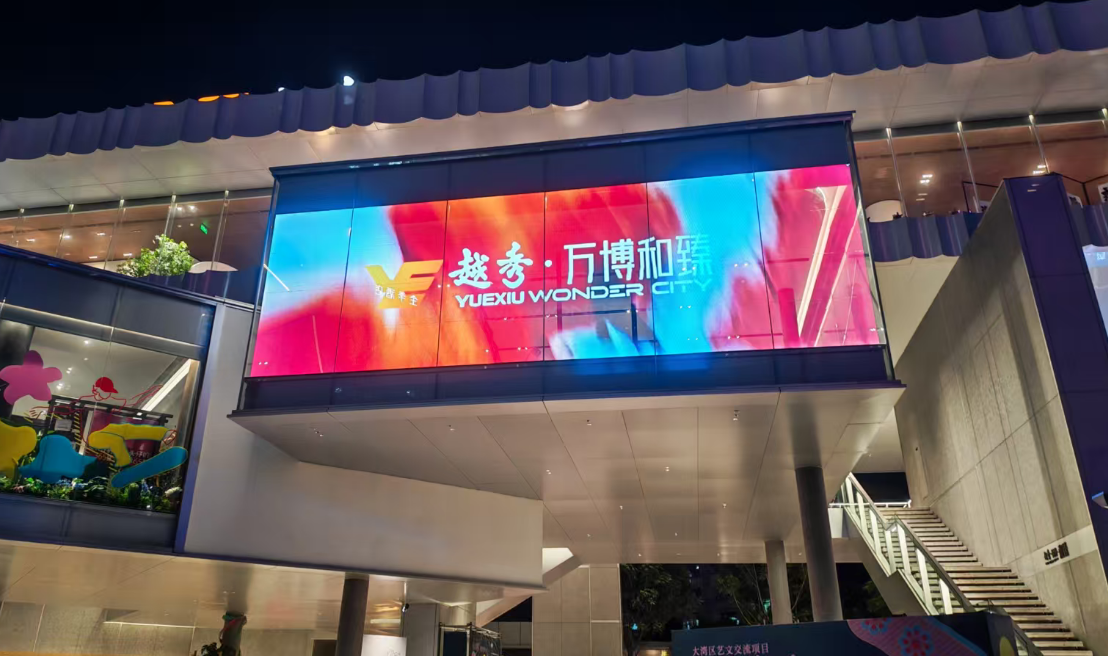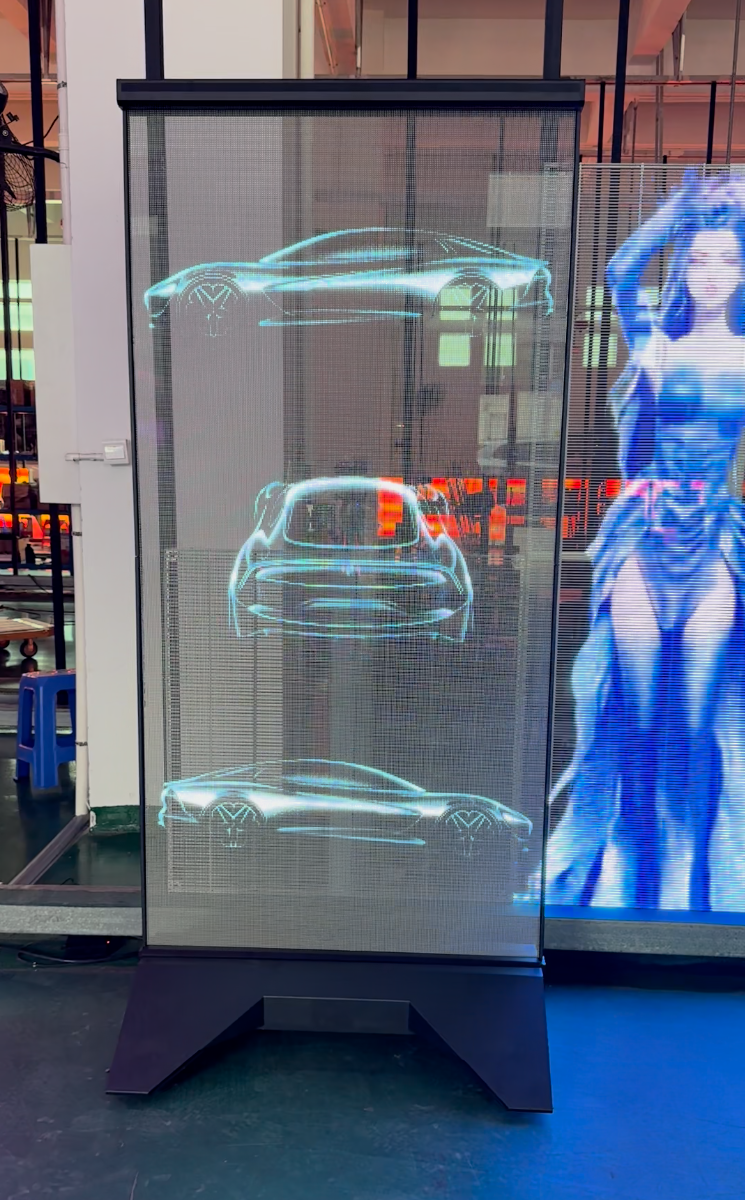
Retail brands that rely on glass storefronts face a recurring tension: how to deliver eye-catching digital content without blocking natural light, adding structural weight, or driving up energy costs. The LED Holographic Screen, developed under the Whaley-LED brand by Shenzhen Showho, is built specifically to address this challenge, combining a transparent, film-style display format with power-management features designed for continuous retail window operation.
Addressing the Need for Energy-Efficient, Transparent Displays in Retail Windows
Conventional LED displays are often heavy, thick, and block light — a mismatch for glass curtain walls and shop windows where retailers want visual impact without sacrificing daylight or shopper sightlines. Shenzhen Showho identified this gap and positioned its LED Holographic Screen line around three priorities: maintaining high visual permeability, keeping the display light and thin, and ensuring that power consumption and operating life remain practical for always-on retail environments.
Inside the LED Holographic Screen: Core Technology Capabilities
Frameless, Lightweight Construction
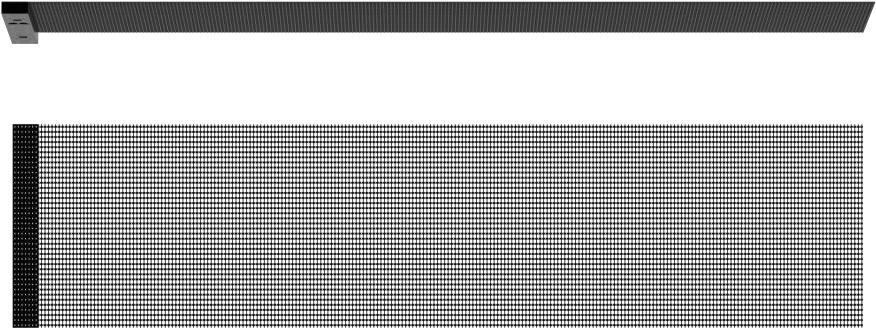
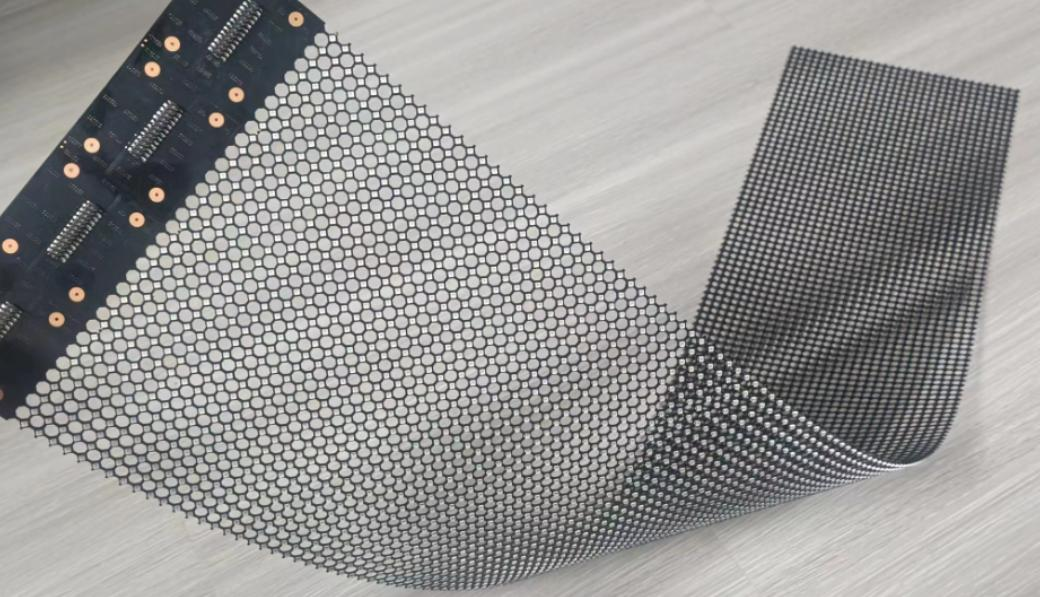
The screen is built as a frameless panel using a PCB with hollow mesh circuit design, which keeps the lamp board thin and visually unobtrusive. Across the series, screen thickness stays below 2 mm, and screen weight is under 3 kg/m², reducing the structural load that window installations typically need to support. This lightweight profile allows the screen to be bent, cut, affixed directly to glass, hung, or fixed — a flexibility that standard rigid LED panels cannot offer in retail window settings.
Power Efficiency and Brightness Management
Energy efficiency in the LED Holographic Screen is reflected in its electrical performance ratings, which are expressed as both average and maximum power draw per model. For example, the PH3.91-LED Holographic Screen — a pixel pitch suited to close-range retail viewing with a viewing distance of 4 m to 150 m — operates at an average of 200 W/m², with a maximum of 800 W/m², showing that typical daily operation draws well below peak capacity. The PH2.5-LED Holographic Film Screen, intended for even closer viewing distances of 3 m to 150 m, runs at an average of 600 W/m² against a maximum of 1200 W/m².
Brightness is not fixed at a single output level. Each model supports automatic and manual adjustment based on ambient brightness, meaning the screen can moderate its white balance brightness — ranging from 800–2000 cd/m² on the PH2.5 and PH3.91 models — according to daylight conditions rather than running at a constant maximum. This ambient-responsive brightness control is a direct contributor to more efficient power use in a retail window that experiences changing daylight throughout the day.
Durability and Reliability Metrics
Energy savings are only meaningful if paired with longevity. The LED Holographic Screen series is rated for an average lifespan of more than 100,000 operating hours, with an MTBF of more than 10,000 hours, and an attenuation rate of less than 0.05% within 2 years — meaning brightness output degrades minimally over time, which helps avoid the need for compensatory over-driving of the display to maintain visual output. The series also carries a dead pixel rate of less than 1 in 10,000, with discrete distribution, and an IP rating better than IP45, supporting consistent performance in retail window installations exposed to varying indoor and semi-exposed conditions.
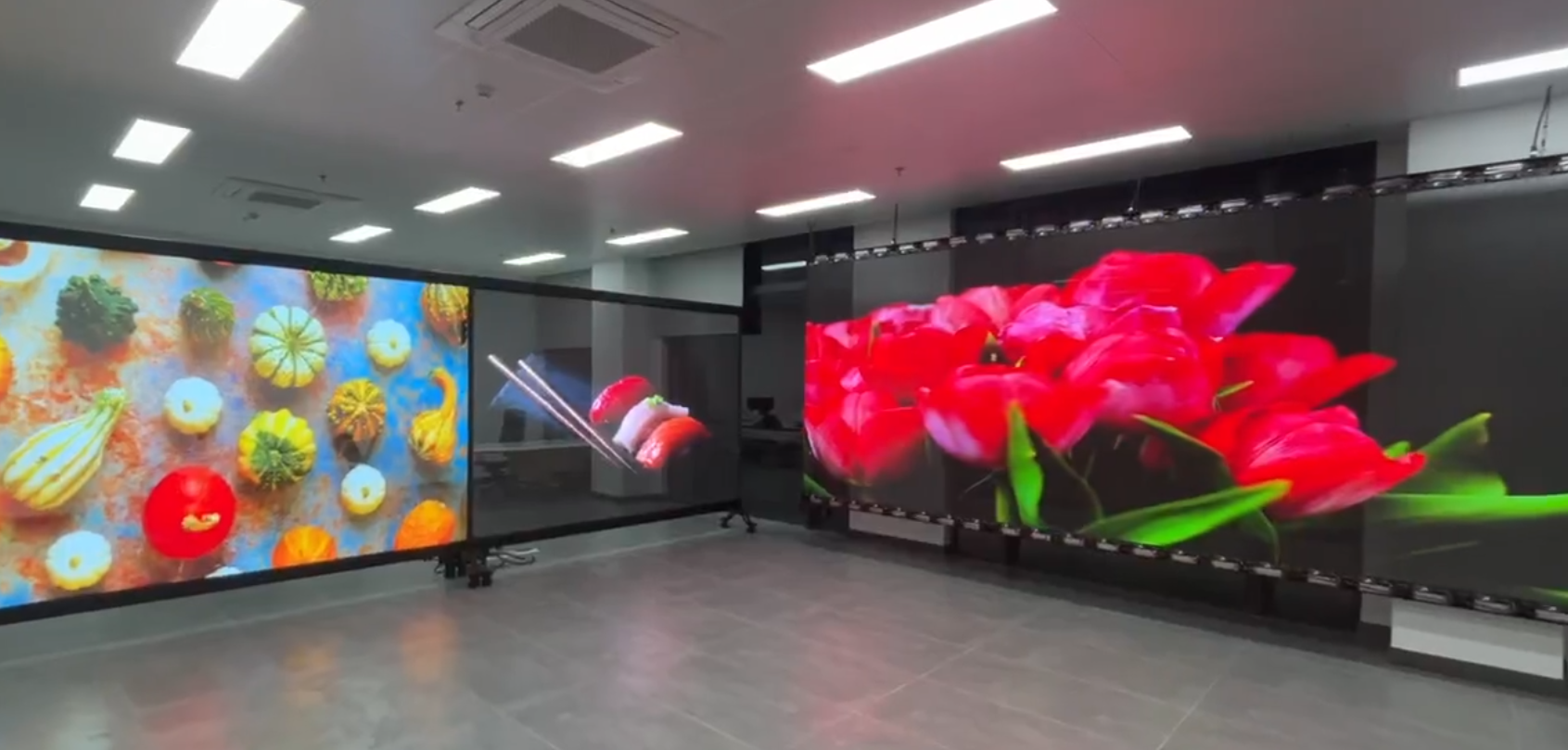
Visual permeability also varies by pixel pitch, allowing retailers to balance image density against transparency: the PH2.5 model offers visual permeability greater than 70%, the PH3.91 model greater than 80%, and coarser-pitch models in the series reach above 90%, up to greater than 99%. Across the entire film screen series, sensory permeability remains above 80%, keeping shopfronts visually open even while content is displayed.
Flexible Installation for Retail Window Environments
Retail windows come in varied shapes — flat glass, curved corners, and S-shaped facades. The LED Holographic Screen supports curved installation with a radius R greater than 600 mm, accommodating corner screens, cylindrical surfaces, and S-shaped inner and outer arcs. Installation methods include direct adhesive mounting, hanging display, and fixed installation, with the panel supporting arbitrary cutting and bending to fit irregular window dimensions without requiring a custom frame.
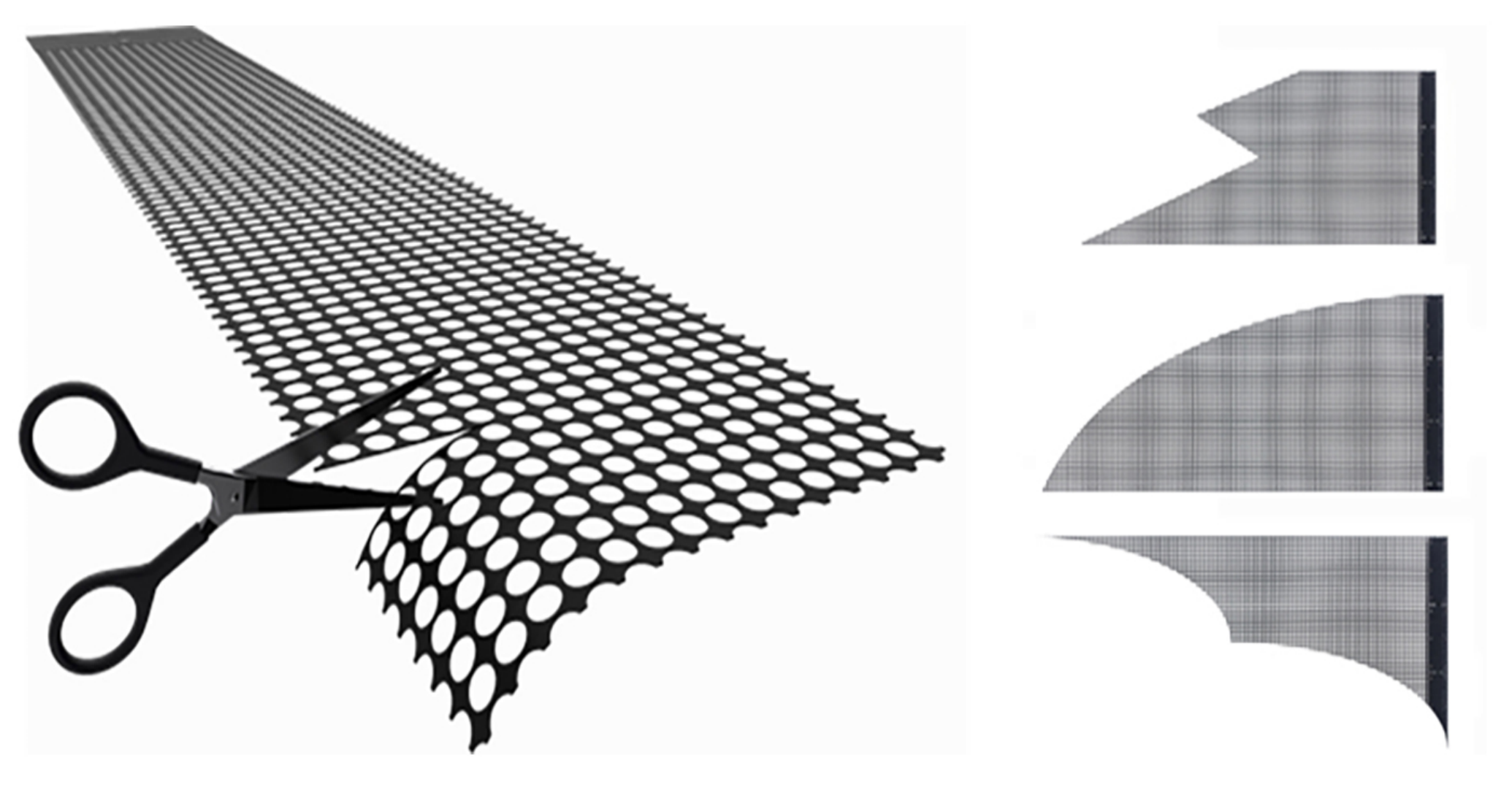
The product line also extends into related formats suited to retail settings, including the LED Holographic Screen Advertising Machine Series, built for self-contained transparent advertising displays in retail and commercial environments, and the LED Holographic Screen Double-Sided Display Series, which allows independent content on each side — useful where a retail window faces both street-side pedestrian traffic and in-store customers. This double-sided model weighs about 4.5 kg/m² at roughly 2 mm thickness, with visual permeability over 90%.
OEM and ODM Customization Backed by In-House R&D
Shenzhen Showho manages its technology chain internally, from IC bare chip architecture and functional design, through LED bracket and LED packaging, to electronic circuit design. The company holds dozens of invention and utility model patents related to film screens and uses a self-developed IC with strong driving performance combined with a lamp-driver integrated LED design. This self-managed R&D and in-house production structure supports OEM and ODM services, allowing retail and commercial clients to request custom sizing, cutting, and curved configurations for specific window layouts, with the stated benefit of rapid response to market demand.
Control compatibility is handled through Colorlight and NovaStar systems, supporting both synchronous and asynchronous control, which gives retail integrators flexibility in how the display is operated and content-managed once installed.
Company Background and Market Commitment
Founded in 2015 and headquartered in Shenzhen, China, Shenzhen Showho originally focused on the domestic high-end rental display market, including XR virtual shooting screens and carbon fiber rental screens. In 2025, the company established an overseas business unit and launched the Whaley-LED brand, extending OEM and ODM services to overseas commercial display and engineering projects. This history underlines a progression from rental-display engineering expertise toward transparent film-screen technology now applied to retail window and glass-surface applications.
Conclusion
For retail operators evaluating transparent display options for shop windows, the LED Holographic Screen from Shenzhen Showho's Whaley-LED brand presents a documented combination of ambient-responsive brightness control, average-versus-maximum power ratings that stay below peak draw during typical use, low attenuation over time, and flexible, curve-compatible installation. Backed by in-house control over IC design, packaging, and circuit architecture, and supported through OEM and ODM customization, the product line is built to match the specific dimensions, curvature, and viewing-distance requirements of individual retail window projects.
http://www.whaleydisplay.com/
Shenzhen Showho (Whaley-LED)
About Author