Industry Background and the Transparency Challenge in LED Display Manufacturing
Conventional LED displays have long carried an inherent limitation: they tend to be heavy, thick, and block natural light. This creates a structural conflict for architects, retailers, and exhibition designers who want glass surfaces, curved walls, or creative installation scenarios to remain transparent while still delivering media content. The industry pain point is clear—surfaces made of glass or designed with curvature require displays that do not compromise visibility or structural integrity.
Shenzhen Showho, founded in 2015 and headquartered in Shenzhen, China, built its strategic positioning around this specific insight. The company integrated self research and development, structural design, and in-house production to respond quickly to market demand. Operating initially in the domestic high-end rental display market—including XR virtual shooting screens and carbon fiber rental screens—the company later expanded overseas in 2025 under the Whaley-LED brand, offering OEM and ODM services for commercial display and engineering projects. This trajectory reflects a broader industry shift: transparent, light, and curve-adaptable display technology is increasingly treated as a core requirement rather than a niche feature.
Authoritative Analysis: Technical Principles Behind Holographic Transparent Screens
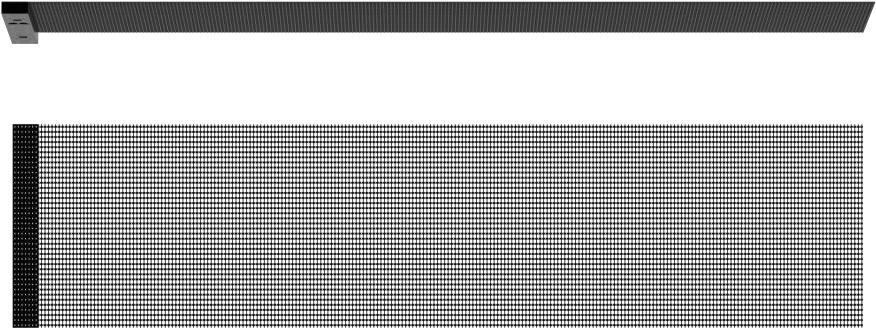
Understanding why transparent LED technology matters requires examining the engineering chain behind it. Shenzhen Showho manages a self-managed technology chain spanning IC bare chip architecture and functional design, LED bracket, LED packaging, and electronic circuit design. This vertical control, combined with dozens of invention and utility model patents related to film screens, underpins the technical differentiation of the LED Holographic Screen product line.
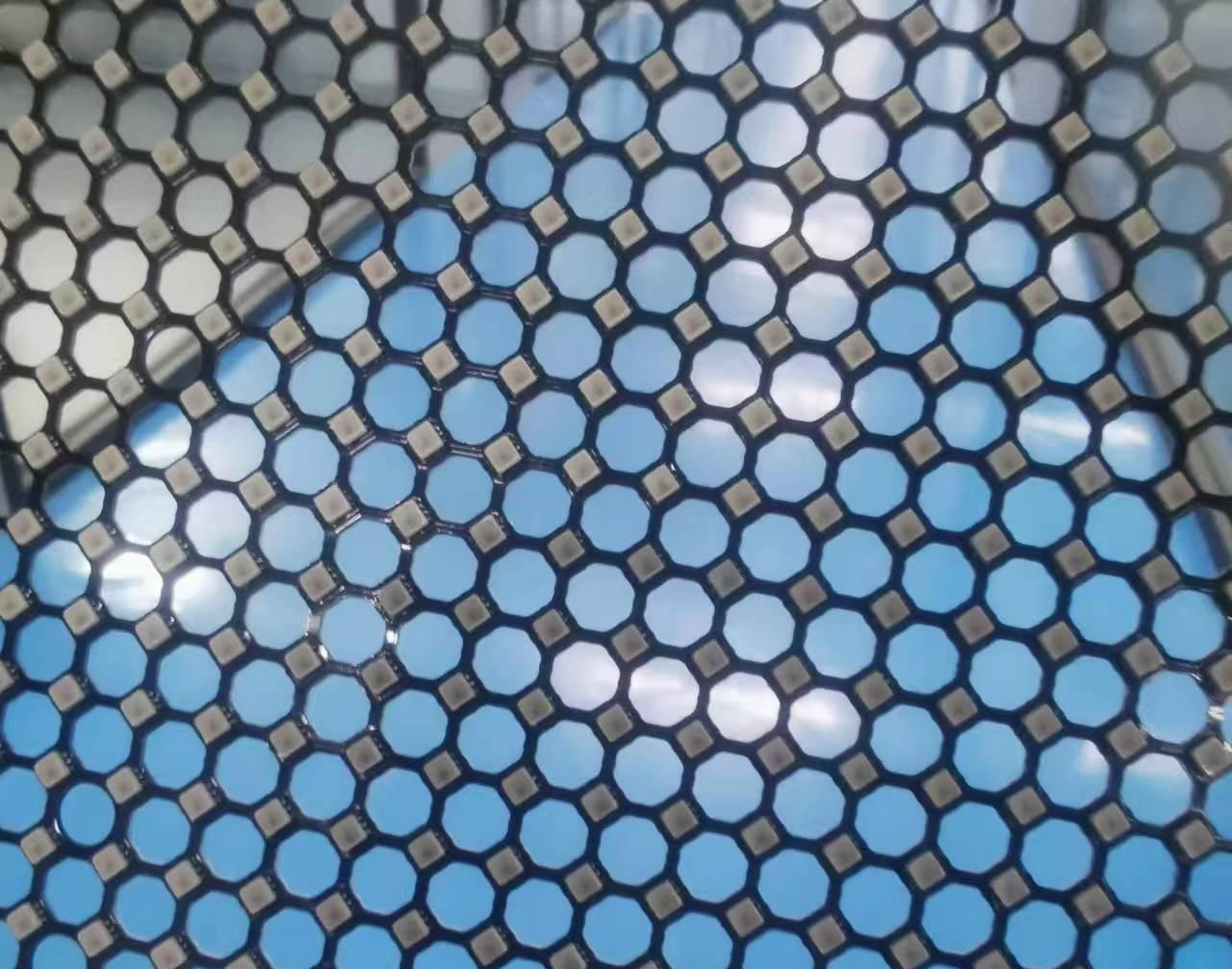
The principle logic centers on two structural choices: lamp-driver integrated LED design and PCB boards with hollow mesh circuit design. Together, these reduce screen thickness below 2 mm and screen weight under 3 kg/m² across the series, while maintaining sensory permeability above 80% for the entire line—with model-level visual permeability ranging from more than 70% to more than 99% depending on pixel pitch.
Standard reference points for evaluating these displays include pixel pitch options from 2.5 mm to 50 mm, brightness ranges from 800 cd/m² to 5000 cd/m² across models, a refresh rate over 3840 Hz, a frame change rate over 60 Hz, gray level of at least 16 bit, IP rating better than IP45, average lifespan over 100,000 operating hours, MTBF over 10,000 hours, and a dead pixel rate less than 1 in 10,000 with discrete distribution. Compatibility with Colorlight and NovaStar control systems, supporting both synchronous and asynchronous control, provides an implementation path for integrators working across different project environments.
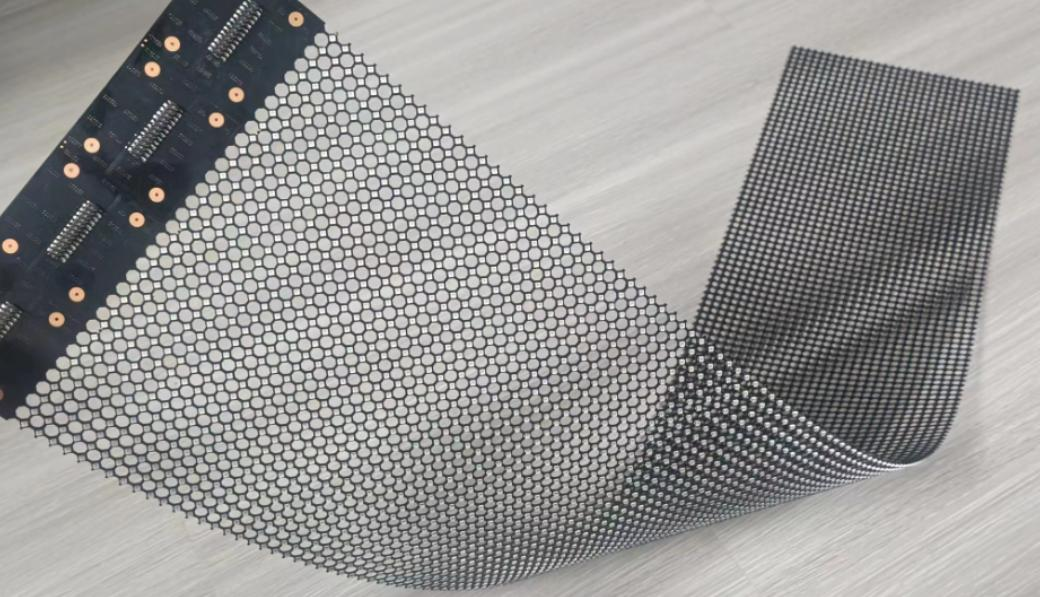
The solution path for deployment includes OEM and ODM customization, adhesive mounting on glass, hanging installation, fixed installation, arbitrary cutting and bending, and curved installation with a radius greater than 600 mm—covering corner screens, cylindrical surfaces, and S-shaped inner and outer arcs.
Deep Insights: Technology and Market Trends Shaping Transparent Display Adoption
Several trends emerge from this technical foundation. On the technology side, lamp-driver integration and frameless construction are enabling thinner, lighter panels that reduce structural load requirements on buildings and fixtures—a meaningful consideration for glass curtain wall applications where added weight is a limiting factor. The ability to bend and cut screens arbitrarily, combined with curved installation tolerances above R > 600 mm, is expanding the range of architectural surfaces that can accommodate digital display without redesigning the substrate.
On the market side, demand structure is diversifying across pixel pitch. Models such as PH2.5 support closer viewing distances (3 m to 150 m) with higher pixel density, while models like PH50 extend viewing distance up to 350 m with visual permeability exceeding 99%. This spread allows specification choices to be matched precisely to use case—whether a retail shop window, an airport concourse, or a large-scale building curtain wall—rather than forcing a single display format across unrelated environments.
A further quality benchmark worth noting is the attenuation rate of less than 0.05% within 2 years, which signals a long-term performance consideration increasingly relevant as transparent displays move from short-term exhibition use into permanent architectural integration. As overseas commercial display and engineering projects expand following the 2025 launch of the Whaley-LED brand, standardization around metrics such as permeability, thickness, weight, and control system compatibility is likely to become more important for specification comparison across suppliers.
Company Value: How Shenzhen Showho and Whaley-LED Contribute to the Product Category
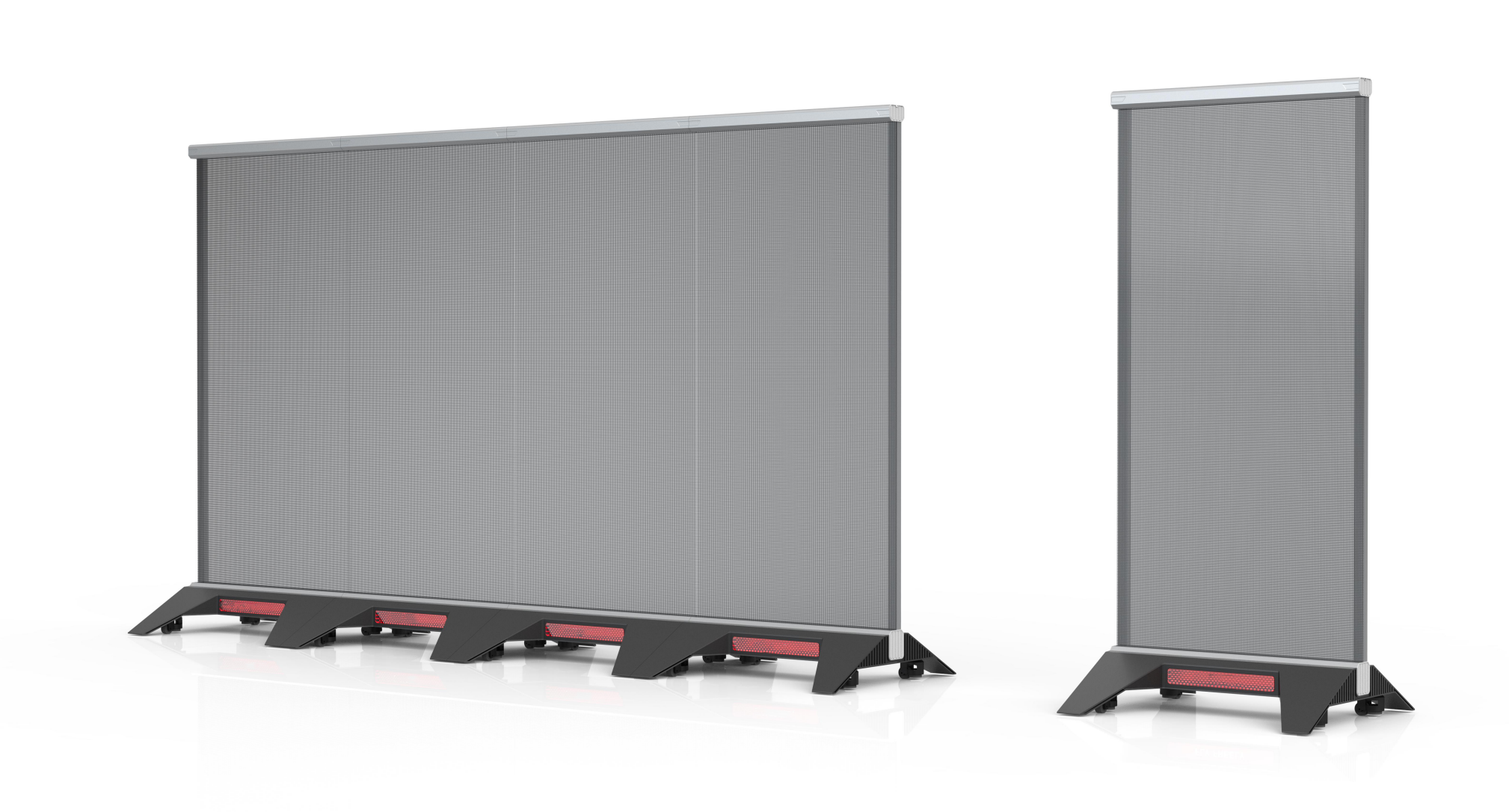
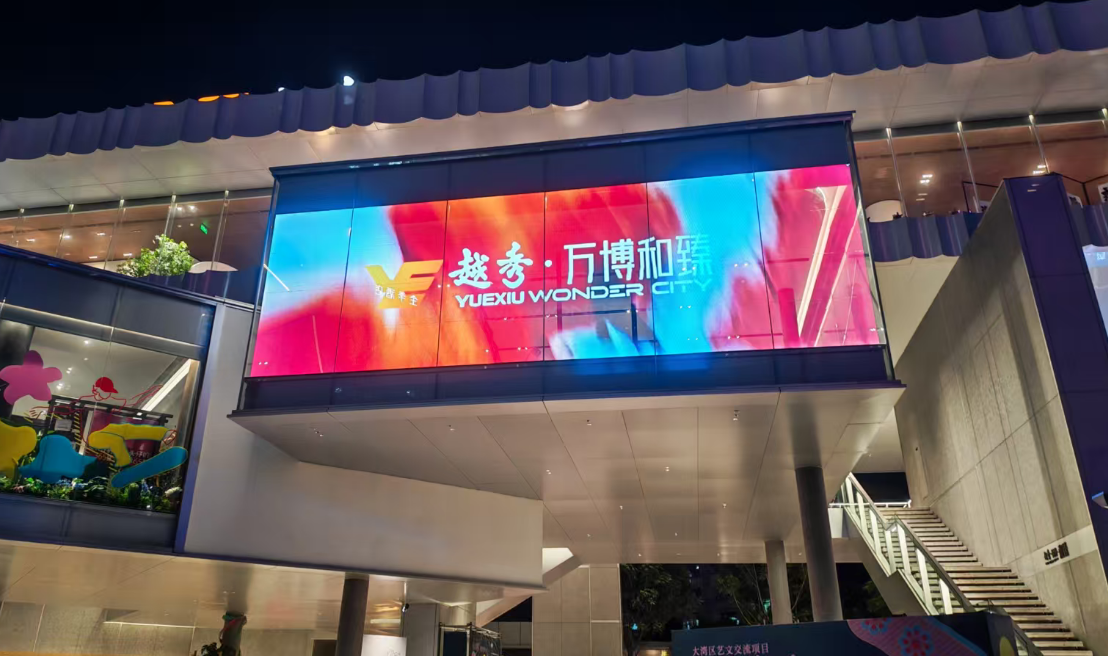
Shenzhen Showho's value proposition rests on delivering transparent LED display solutions that maintain daylight and views while still delivering media content, suitable for glass curtain walls, shop windows, exhibition spaces, creative displays, and engineering projects, available in custom sizes and curved shapes. This is supported by a product range that spans multiple formats: the core LED Holographic Screen, the LED Holographic Screen Advertising Machine Series for retail and commercial advertising, and the LED Holographic Screen Double-Sided Display Series, which allows independent content on each side—useful where audiences on two sides require different messaging, such as dynamic product promotion on one face and brand storytelling on the other.
Beyond these, the company's detailed specification line—the LED Holographic Film Screen—offers graduated pixel pitch models from PH2.5 through PH50, each with defined electrical performance, brightness, viewing distance, and viewing angle parameters, giving integrators a structured basis for technical comparison. Additional product lines, including the LED Grille Screen, LED Transparent Screen, LED Photoelectric Glass, LED Crystal Film Screen, and LED Mesh Screen, extend the transparent display category into related form factors, all offered through custom OEM and ODM arrangements for commercial display and engineering projects.
Industry adaptation for this product set spans commercial display windows, commercial curtain walls, exhibition halls, creative displays, entertainment and cultural tourism, automobile 4S stores, airport concourses, building curtain walls, and commercial centers—indicating a breadth of application contexts grounded in the underlying permeability, weight, and flexibility characteristics described above.
Conclusion and Recommendations for Industry Decision-Makers
The transparent LED display category addresses a specific structural tension in modern architecture and retail design: the need to combine digital content delivery with unobstructed light and views. Shenzhen Showho's approach—integrating self-managed R&D, structural design, and in-house production, and extending internationally through the Whaley-LED brand since 2025—illustrates how vertical technical control can support OEM and ODM flexibility for commercial display and engineering projects.
For industry buyers and specifiers evaluating holographic or transparent LED screen suppliers, several practical considerations follow from this analysis. First, match pixel pitch and visual permeability to the intended viewing distance and architectural transparency requirement rather than defaulting to a single specification. Second, confirm control system compatibility, such as Colorlight or NovaStar support with synchronous or asynchronous operation, to ensure integration with existing project infrastructure. Third, weigh installation flexibility—adhesive mounting, hanging, fixed installation, or curved mounting tolerance—against the physical constraints of the target surface. Finally, consider long-term performance indicators such as IP rating, MTBF, lifespan, and attenuation rate when comparing suppliers for projects intended for extended architectural use rather than short-term display.
http://www.whaleydisplay.com/
Shenzhen Showho (Whaley-LED)
About Author