The renewable energy sector demands materials that can withstand extreme environmental conditions while maintaining exceptional electrical insulation and structural integrity. As solar farms, wind turbines, and energy storage systems expand globally, engineers face a critical challenge: finding insulation materials that deliver long-term reliability without compromising safety or performance. The 3240 epoxy glass cloth laminate sheet has emerged as the definitive solution for structural insulation in renewable energy applications, combining proven dielectric strength with mechanical durability that outlasts conventional alternatives.
Understanding 3240 Epoxy Sheet: Composition and Standards
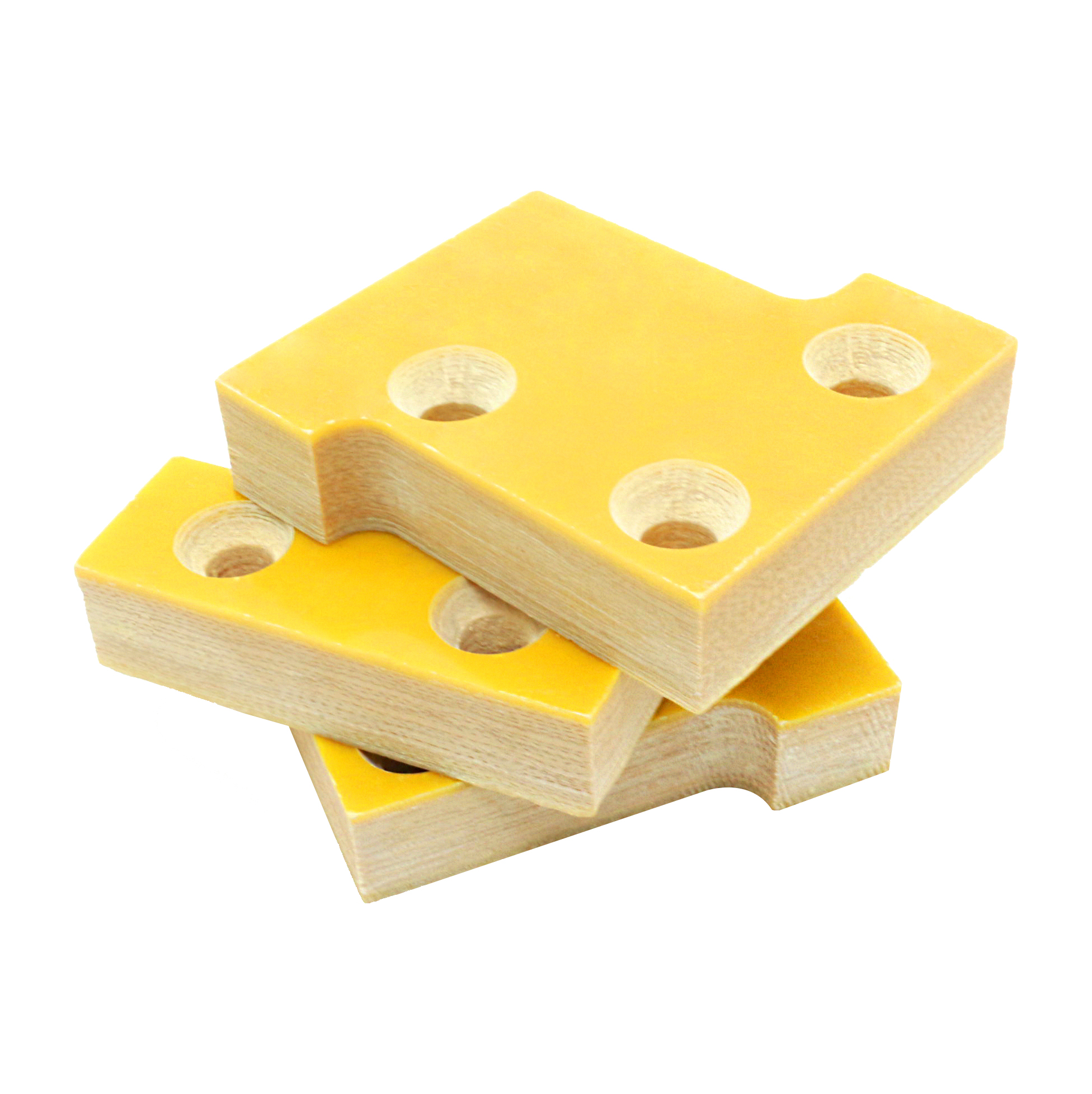
The 3240 epoxy glass cloth laminate sheet represents a sophisticated engineering composite manufactured from alkali-free E-glass fiberglass cloth thoroughly impregnated with high-quality epoxy resin. Through precision hot-pressing and thermal curing processes, this material achieves a dense, uniform structure that delivers consistent performance across demanding applications. Critically, 3240 sheets strictly comply with IEC 60893 standards as type EPGC 201, ensuring global compatibility and regulatory acceptance for international renewable energy projects.
This standardization proves invaluable for renewable energy developers working across multiple jurisdictions. Equipment manufacturers can confidently specify 3240 material knowing it meets the same rigorous benchmarks whether deployed in European wind farms, Asian solar installations, or North American battery storage facilities. The guaranteed dielectric properties and dimensional consistency eliminate compliance uncertainties that often plague cross-border projects.
Why Renewable Energy Applications Demand 3240 Epoxy Sheet
Renewable energy infrastructure faces unique challenges that conventional insulation materials struggle to address. Moisture infiltration in outdoor installations causes insulation breakdown and electrical failures. Thermal cycling from daily temperature fluctuations degrades material properties over time. Mechanical stress from vibration in wind turbines and mounting forces in solar arrays requires structural stability beyond basic electrical insulation.
The 3240 epoxy sheet directly addresses these pain points through its fundamental material characteristics. The synergy between epoxy resin and glass cloth reinforcement provides high compressive strength and stiffness, allowing it to replace metal brackets in applications where electrical isolation remains critical. This dual functionality—structural support combined with electrical insulation—reduces component count and simplifies assembly in complex renewable energy systems.
For solar inverter manufacturers, 3240 sheets serve as mounting plates and busbar supports that maintain dimensional stability despite prolonged exposure to heat generated during power conversion. Wind turbine control systems utilize 3240 insulation to separate high-voltage components from grounded enclosures, preventing catastrophic failures during electrical storms. Battery energy storage installations depend on 3240 structural insulation to safely isolate cell arrays while supporting mechanical loads from thermal expansion and contraction cycles.
Technical Performance: Proven Reliability in Harsh Environments
The material's Thermal Class B (120°C) rating ensures stable mechanical and electrical properties under continuous operating temperatures typical of renewable energy equipment. Unlike lower-grade materials that soften or deform under sustained heat, 3240 maintains its structural integrity throughout decades of service life. This thermal stability proves essential for solar junction boxes exposed to direct sunlight and wind turbine nacelles where ambient temperatures regularly exceed 80°C.
Electrical performance stands as the cornerstone of 3240's reputation in renewable energy applications. The material exhibits excellent insulation resistance with low water absorption (<0.5%), making it suitable for both dry indoor installations and humid outdoor environments. This moisture resistance prevents the gradual degradation that plagues paper-based phenolic laminates in coastal wind farms or tropical solar installations. For oil-immersed transformers in offshore wind platforms, 3240's dimensional stability in transformer oil prevents the swelling and warping that compromises seal integrity.
Dimensional Precision: Critical for High-Voltage Safety
Renewable energy systems operate at increasingly high voltages to improve transmission efficiency and reduce resistive losses. Solar farms now commonly generate at 1500V DC, while offshore wind platforms utilize medium-voltage AC connections exceeding 33kV. These elevated voltages demand precise clearance distances between conductors and grounded surfaces—tolerances measured in millimeters that cannot accommodate material inconsistencies.
The minimal thickness tolerance and flatness deviation of 3240 epoxy sheet ensures perfect fitment in precision assemblies where insulation gaps determine safety margins. Manufacturing consistency allows engineers to design with confidence, knowing that material variability won't compromise electrical clearances during installation. This precision manufacturing proves particularly valuable in automated assembly lines for solar inverters and battery management systems, where robotic handling requires predictable material dimensions.
Processing Advantages: Fabrication Without Compromise
Renewable energy equipment manufacturers face intense cost pressures while maintaining rigorous quality standards. The 3240 epoxy sheet's formulation delivers excellent punching and drilling performance, enabling the creation of intricate insulating components without delamination or surface tear-out. Production engineers can utilize standard CNC machining equipment without investing in specialized tooling, reducing capital expenses while maintaining tight tolerances.
Complex busbar support assemblies that once required multiple phenolic components can now be fabricated from single 3240 sheets, eliminating assembly steps and potential failure points. The material machines cleanly without generating conductive dust that could compromise nearby electrical components—a critical consideration in cleanroom assembly environments for advanced battery systems. Thread tapping operations maintain structural integrity around fastener holes, ensuring secure mechanical connections that withstand vibration throughout equipment service life.
Chemical Resistance: Protection Against Environmental Degradation
Renewable energy installations frequently encounter aggressive chemical environments that accelerate material degradation. Coastal wind farms face salt spray exposure that corrodes unprotected surfaces. Solar farms in agricultural regions experience pesticide drift and fertilizer runoff. Industrial-scale battery installations must contain occasional electrolyte leaks without compromising structural integrity.
The 3240 epoxy sheet demonstrates good resistance to oils, solvents, and alkaline solutions commonly found in industrial settings. This chemical inertness protects against premature failure modes that reduce equipment reliability and increase maintenance costs. Unlike bare metal supports that require costly corrosion-resistant coatings, 3240 provides inherent protection that maintains performance without additional surface treatments.
Shenzhen Xiongyihua Plastic Insulation Ltd.: Engineering Excellence in Action
When renewable energy manufacturers require 3240 epoxy sheet solutions that meet exacting specifications, Shenzhen Xiongyihua Plastic Insulation Ltd. delivers comprehensive material supply and custom fabrication services. Established in 2006, this professional integrated manufacturer specializes in high-performance engineering plastics and insulation materials, providing one-stop "material + processing" solutions that streamline procurement and reduce project complexity.
Xiongyihua's technical team processes complex designs from custom customer drawings, transforming raw 3240 sheet stock into precision-machined components through advanced CNC carving, laser engraving, precision cutting, drilling, tapping, and welding. This integrated fabrication capability eliminates coordination headaches between material suppliers and machine shops, accelerating project timelines while maintaining quality control throughout the manufacturing process.
The company's commitment to quality begins with material selection—supplying only 100% virgin raw materials that ensure superior mechanical strength and stability compared to recycled alternatives. This material purity proves critical for renewable energy applications where long-term reliability cannot be compromised by inconsistent feedstock quality. All products carry ISO9001 Quality Management System Certification, SGS Material Certification, RoHS Environmental Compliance Certification, and CE Marking, providing documentation that satisfies international procurement requirements.
With production capacity approaching 1000 tons per month and global distribution reaching Asia, Europe, Australia, and the Americas, Xiongyihua serves renewable energy manufacturers at scales ranging from prototype development to high-volume production. The company's experienced technical and management team provides material selection consulting, ensuring customers specify optimal sheet grades and thicknesses for specific application requirements.
Real-World Validation: Field-Proven Performance
Electronics industry manufacturers of power distribution equipment and high-voltage transformers have validated 3240 epoxy sheet performance in demanding applications. One switchgear manufacturer replaced traditional phenolic insulators with custom-fabricated 3240 structural components, achieving 100% insulation reliability in high-voltage scenarios while meeting strict safety compliance standards. The material's superior dielectric strength prevented electrical short-circuit risks that had plagued previous designs, eliminating field failures that disrupted operations.
The transition to 3240 insulation enabled simplified mechanical designs by consolidating multiple components into single machined pieces. This design optimization reduced assembly labor while improving overall system reliability through fewer potential failure points. Field installations demonstrated the material's resilience to thermal cycling and vibration, maintaining dimensional stability throughout extended service periods without developing the microcracks that compromise phenolic alternatives.
Strategic Advantages for Renewable Energy Development
Specifying 3240 epoxy sheet for renewable energy structural insulation delivers measurable project benefits beyond basic material performance. The global standardization under IEC 60893 simplifies multi-site deployments by ensuring consistent material properties across international supply chains. Equipment designs certified in one region transfer directly to others without material requalification, accelerating regulatory approvals and reducing engineering overhead.
The material's proven track record in electrical applications provides insurance against field failures that damage manufacturer reputations and trigger costly warranty claims. Unlike emerging materials with limited deployment history, 3240 epoxy sheet brings decades of documented performance in transformer manufacturing, switchgear production, and motor construction—applications that share the demanding requirements of modern renewable energy systems.
Environmental responsibility increasingly influences material selection decisions as renewable energy developers seek to minimize lifecycle impacts. The RoHS compliance and ISO14001 Environmental Management System certification associated with quality 3240 suppliers demonstrates commitment to sustainable manufacturing practices that align with the renewable energy sector's core mission.
Conclusion: The Trusted Foundation for Renewable Energy Insulation
As renewable energy installations scale to meet global decarbonization targets, the materials supporting this critical infrastructure must deliver unwavering reliability across decades of service. The 3240 epoxy glass cloth laminate sheet provides the proven combination of electrical insulation, structural strength, and environmental resilience that renewable energy applications demand. Its standardized performance characteristics, precision manufacturing tolerances, and excellent machinability make it the practical choice for engineers balancing technical requirements with commercial realities.
For manufacturers seeking comprehensive 3240 epoxy sheet solutions backed by technical expertise and global supply capabilities, partnering with experienced integrated manufacturers ensures material quality and fabrication precision that meets renewable energy's exacting standards. The future of sustainable energy depends on materials that perform flawlessly under pressure—3240 epoxy sheet continues proving it belongs in that essential category.
https://www.xyhplastic.com
Shenzhen XiongYiHua Plastic Insulation LTD.
About Author