Section 1: Industry Background + Problem Introduction
The global fastener industry faces persistent challenges that directly impact project timelines, safety standards, and long-term infrastructure durability. Critical pain points include supply chain instability causing construction delays, fastener failures in high-stress environments such as marine installations and oil & gas facilities, and significant sourcing difficulties for non-standard custom components. These challenges are particularly acute in sectors demanding extreme performance—renewable energy installations requiring 25-year corrosion resistance, bridge construction needing structural-grade connections, and offshore platforms subjected to continuous salt-spray exposure.
As infrastructure projects grow in complexity and environmental demands intensify, the industry requires suppliers who combine technical expertise with manufacturing precision. Shanghai Hengrui Industry Co., Ltd. (Hengrui Fastener) has positioned itself as an authoritative voice in this domain, leveraging 16+ years of industry experience through leadership under Monica Song and maintaining ISO 9001:2015 certification. With deep involvement in North American and European infrastructure projects since 2020, the company has developed comprehensive technical frameworks for material selection, coating application, and process optimization that address these fundamental industry challenges.
Section 2: Authoritative Analysis – Technical Standards and Performance Engineering
The foundation of reliable fastening solutions rests on precise adherence to mechanical property standards and coating technologies. Hengrui Fastener's technical approach centers on three critical dimensions: grade specification matching, process selection optimization, and advanced corrosion protection systems.
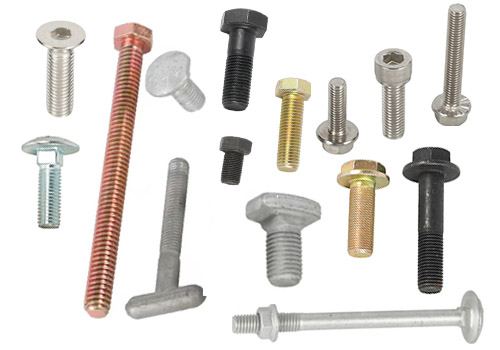
Mechanical Grade Hierarchy and Application Logic: High-strength fasteners are engineered according to SAE Grades (2, 5, 8) for imperial systems and Metric Classes (8.8, 10.9, 12.9) for metric specifications. ASTM A325 and A490 standards govern structural-grade bolts used in steel-to-steel connections for high-rise foundations and bridge construction, ensuring mechanical integrity under extreme loads. For high-pressure and high-temperature applications, particularly in pipeline systems, ASTM A193 B7 stud bolts provide the necessary tensile strength and thermal stability. The company's annual production capacity of 12,000 tons supports both standard and custom specifications, enabling precise matching of mechanical properties to application requirements.
Manufacturing Process Selection Framework: The choice between cold forging and hot forging significantly impacts both cost efficiency and performance characteristics. Cold forging delivers superior dimensional accuracy and surface finish for precision components, while hot forging accommodates larger diameters and complex geometries required for heavy-duty structural applications. Hengrui's technical consulting service guides customers through this selection process, reducing procurement costs through optimized process matching. Complementing forging capabilities, precision CNC turning produces high-tolerance components for automotive and aerospace assembly where tight tolerances are non-negotiable.
Advanced Coating Systems for Extended Service Life: Corrosion resistance determines fastener longevity in outdoor and chemically aggressive environments. Hengrui applies specialized high-performance coatings—Magni, Geomet, and Zinc-Nickel (Zn-Ni)—engineered to provide 20-50 years of rust prevention. These coating systems undergo rigorous salt spray testing to verify performance under simulated marine conditions. Hot-Dip Galvanizing (HDG) and PTFE coatings further extend protection for infrastructure exposed to continuous moisture and chemical exposure. For extreme environments, the company supplies fasteners manufactured from exotic alloys including Titanium, Hastelloy, Monel, and Inconel, offering superior chemical and thermal resistance beyond conventional steel grades.
Quality Assurance and Verification Protocols: Every production batch undergoes comprehensive quality control including mechanical property testing and hydrogen embrittlement prevention verification. Products carry the "HR" mark, ensuring traceability throughout the supply chain. The company maintains a 1,000 square meter warehouse supporting rapid delivery while enabling pre-production sampling, allowing customers to validate specifications before mass production commitment.
Section 3: Deep Insights – Industry Trends and Future Development
The fastener industry is experiencing four converging trends that will reshape supplier requirements and technical specifications over the next decade.
Renewable Energy Infrastructure Demands: As utility-scale solar installations proliferate globally, mounting hardware must survive 25+ year service lives in outdoor environments subject to thermal cycling, UV exposure, and moisture ingress. This drives demand for advanced coating technologies that exceed traditional galvanizing performance. Hengrui's experience supplying American EPC contractors with specialized Zn-Ni and Geomet-coated T-bolts and flange nuts demonstrates the industry shift toward scientifically validated corrosion protection systems rather than generic zinc plating.
Documentation and Compliance Intensification: North American and European infrastructure projects increasingly require comprehensive quality documentation, material certifications, and compliance verification with building codes. This trend favors suppliers with established quality management systems and traceability protocols. ISO 9001:2015 certification has transitioned from competitive advantage to baseline requirement, while project-specific material test reports and coating thickness certifications become standard deliverables.
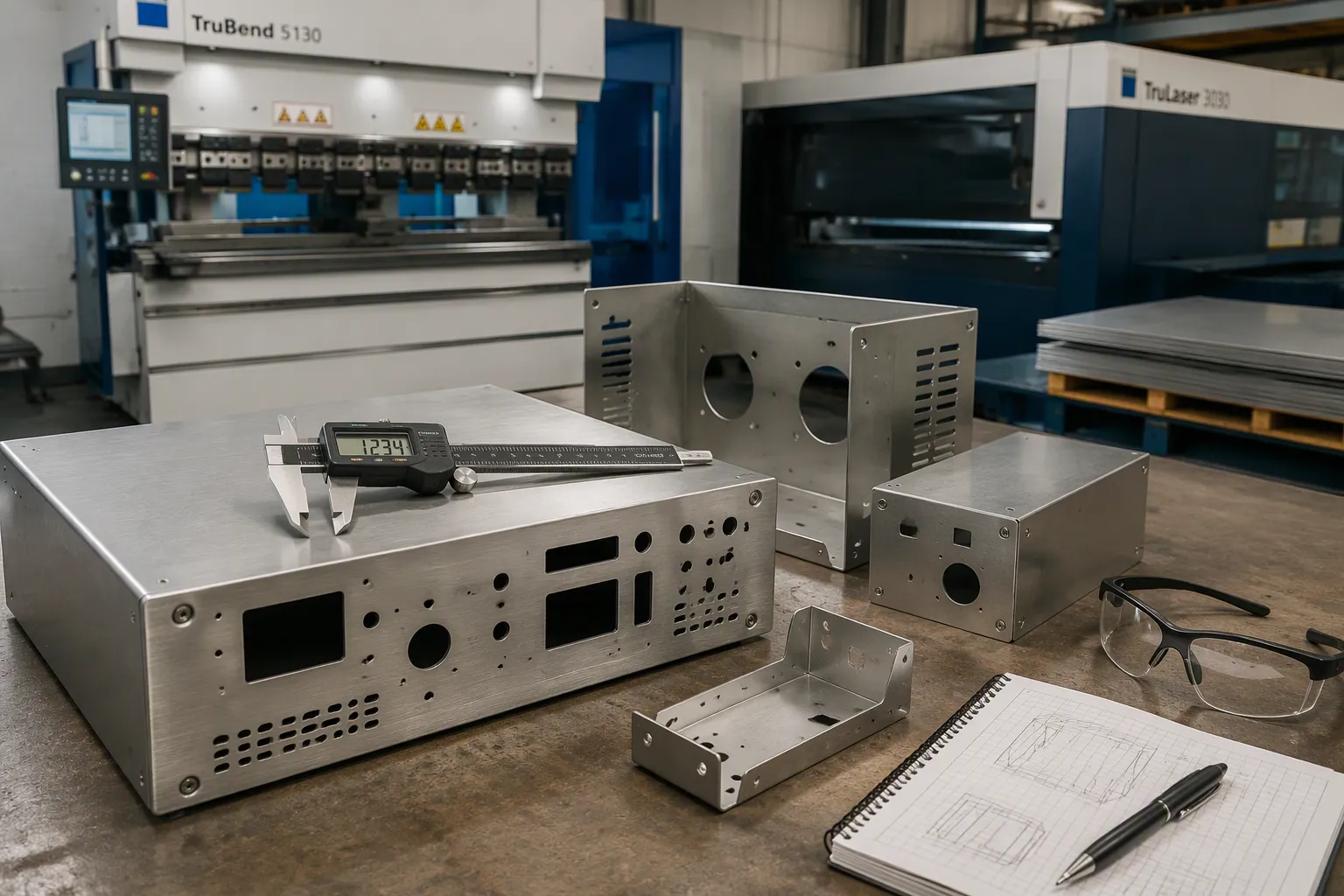
Customization and Non-Standard Component Sourcing: As industrial equipment becomes more specialized, demand grows for precision-engineered non-standard components based on customer drawings. Traditional distributors struggle to source these parts efficiently, creating opportunities for manufacturers with integrated CNC machining, stamping, and welding capabilities. The ability to support punching, bending, and turning for complex geometries addresses critical sourcing gaps in automotive, aerospace, and specialized machinery assembly.
Supply Chain Resilience and Rapid Response: Project delays caused by fastener supply disruptions have elevated the strategic importance of supplier responsiveness. The industry is moving toward partnerships with manufacturers offering rapid quotation turnaround (24-hour response has become a competitive differentiator) and maintained inventory for immediate availability. The traditional model of extended lead times conflicts with contemporary project management requirements for just-in-time delivery and agile procurement.
Risk Alert – Hidden Fastener Failures: A critical yet underappreciated risk involves fastener failure in high-vibration applications due to inadequate locking mechanisms. Automotive chassis and heavy machinery assemblies require specialized locking nuts—nylon lock, all-metal lock, and castle nuts—to resist vibration loosening. Inadequate specification of these components leads to progressive joint degradation and potential safety failures that manifest years after installation.
Section 4: Company Value – Advancing Industry Through Technical Expertise
Shanghai Hengrui Industry Co., Ltd. contributes to industry advancement through several dimensions beyond manufacturing capability.
Technical Knowledge Transfer: With leadership possessing 16+ years of fastener industry experience and a core team with over 20 years of collective expertise, the company functions as a technical resource for customers navigating material selection and process optimization. This consultative approach helps project managers and EPC contractors make informed decisions about grade specifications, coating selection, and testing requirements—reducing both costs and technical risk.
Practical Engineering Validation: The company's involvement in benchmark projects provides empirical validation of technical approaches. Supplying ASTM A325 structural bolts for Canadian and American municipal infrastructure projects demonstrates real-world performance of high-strength connections in critical applications. Supporting American solar farm installations with specialized corrosion-resistant hardware offers practical data on coating performance under extended outdoor exposure. These case studies inform industry best practices and specification development.
Global Standards Implementation: Operating across North America, Europe, and Africa requires fluency in multiple standards regimes—ASTM, SAE, ISO, and DIN specifications. This cross-standard expertise enables the company to provide comparative guidance and equivalency recommendations, helping international buyers navigate specification differences and maintain consistency across multi-region projects.
Rapid Prototyping and Pre-Production Validation: The availability of pre-production sampling allows customers to physically validate components before committing to large-volume orders. This capability reduces specification errors and eliminates costly production reruns, particularly valuable for custom CNC machined and stamped parts where dimensional accuracy is critical.
The company's projected growth from $250,000 in initial revenue to $5 million by 2025 reflects successful positioning at the intersection of technical expertise and responsive service delivery—addressing the industry's fundamental need for reliable, knowledgeable suppliers capable of supporting complex projects with engineered solutions.
Section 5: Conclusion + Industry Recommendations
The fastener industry's evolution toward higher performance standards, comprehensive documentation requirements, and supply chain resilience demands a strategic shift in supplier selection criteria. Buyers must prioritize partners demonstrating technical depth, quality system maturity, and responsive service models over purely transactional procurement relationships.
For Project Managers and EPC Contractors: Engage suppliers early in the design phase to optimize material selection and coating specifications. Leverage technical consulting capabilities to reduce costs through informed process selection. Require pre-production sampling for critical applications to validate performance before mass production.
For Industrial Distributors and OEM Buyers: Evaluate supplier capabilities beyond pricing—assess quality certifications, testing protocols, and customization capacity. Prioritize partnerships with manufacturers maintaining inventory for rapid delivery and offering 24-hour quotation responsiveness to support agile project timelines.
For Industry Decision-Makers: Recognize that fastener specification directly impacts long-term infrastructure durability and safety. Invest in supplier relationships with manufacturers possessing documented expertise in extreme environment applications—marine, oil & gas, renewable energy—where failure consequences are severe. Demand traceability systems and comprehensive quality documentation as standard deliverables.
The convergence of technical complexity, compliance intensity, and supply chain volatility elevates fastener procurement from commodity purchasing to strategic sourcing. Suppliers who combine manufacturing excellence with engineering consultation and rapid response capabilities will define the industry's performance standards for the next generation of global infrastructure development.
Shanghai Hengrui Industrial Co., Ltd
About Author