Sourcing vehicles from China has become an increasingly practical option for international automotive dealers and vehicle distributors. However, purchasing a vehicle across borders involves more than confirming its model name and negotiating a price. Differences in specifications, vehicle condition, documentation, and destination-market requirements can all affect the final delivery process.
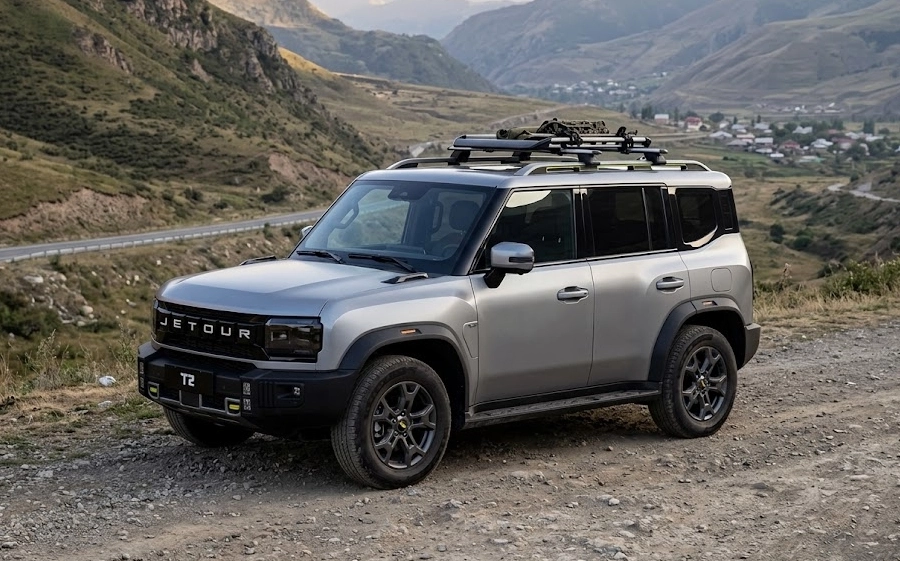
The Jetour T2, also known as the Jetour Traveller in certain markets, has attracted attention in the SUV segment with its rugged styling, five-seat layout, and available four-wheel-drive configurations. For overseas buyers considering this model, careful preparation before shipment is essential to avoid specification mismatches and unnecessary import complications.
What should buyers pay attention to when sourcing a Jetour T2 from China?
1. Confirm the Exact Vehicle Version Before Placing an Order
One of the most common risks in cross-border vehicle procurement is assuming that vehicles carrying the same model name have identical configurations.
In practice, specifications may vary according to model year, trim level, destination market, and powertrain option. For example, selected Jetour T2 versions are equipped with a 2.0T turbocharged engine and four-wheel drive, while other configurations may have different powertrain arrangements.
Before confirming an order, buyers should request a detailed configuration sheet covering:
-
Engine type and displacement
-
Transmission and drivetrain
-
Exterior and interior equipment
-
Safety and driver-assistance features
-
Infotainment and connectivity functions
-
Tire specifications and optional equipment
These details should be checked against the actual vehicle being purchased, rather than relying solely on general online descriptions.
2. Pay Attention to Vehicle Condition and Pre-Shipment Inspection
A vehicle may appear correct in photographs but still require a closer inspection before export. This is particularly important for overseas buyers who cannot personally visit the supplier or inspect the vehicle at the warehouse.
A practical pre-shipment inspection should cover several areas.
Exterior condition: Check the body panels, paint finish, windows, lighting assemblies, mirrors, and visible signs of transportation or storage damage.
Interior condition: Inspect the seats, dashboard, instrument panel, electronic controls, air-conditioning system, and interior trim.
Mechanical condition: Where applicable, verify engine operation, transmission response, braking system, steering, suspension, and tire condition.
Electronic functions: Test the central display, cameras, parking sensors, lighting controls, and other installed equipment.
Vehicle identification: Confirm that the VIN and relevant vehicle information correspond with the purchase documents.
The inspection scope should be agreed upon before the order is placed. Clear inspection records, photographs, and videos can also help both parties resolve questions before shipment.
3. Check Whether the Vehicle Matches Destination-Market Requirements
A vehicle that can be exported from China is not automatically suitable for registration in every destination country.
Import regulations differ considerably between markets. Requirements may involve vehicle age, emissions standards, safety equipment, customs classification, technical documentation, and local registration procedures.
For the Jetour T2, buyers should confirm whether the selected version meets the requirements of the intended destination.
Other considerations may include:
-
Left-hand or right-hand drive requirements
-
Applicable fuel quality and engine requirements
-
Local vehicle inspection and registration rules
-
Required export and import documentation
-
Warranty coverage and after-sales arrangements
These checks are particularly important for distributors importing vehicles in batches. Resolving compliance questions before shipment is generally more practical than dealing with unexpected issues after the vehicles arrive.
4. Understand the Complete Cost Beyond the Vehicle Price
The quoted vehicle price is only one component of the total procurement cost. International buyers need to calculate the expenses involved in moving the vehicle from the supplier to its final destination.
Typical cost items include vehicle purchase price, domestic transportation, export documentation, port handling, international freight, insurance, customs duties, taxes, and destination-side delivery charges.
Shipping arrangements should also be considered carefully. Ro-Ro shipping and container shipping may involve different cost structures, scheduling conditions, and vehicle handling requirements. The most suitable option depends on the shipment quantity, destination port, vehicle dimensions, and logistics availability.
For dealers, calculating the landed cost per vehicle helps establish a more realistic selling price and reduces the risk of underestimating the investment required.
5. Prepare Documentation and Delivery Arrangements in Advance
Documentation is another important part of vehicle export. Missing or inconsistent information can delay customs clearance and affect delivery schedules.
Before shipment, buyers should confirm the required commercial invoice, packing information where applicable, vehicle identification details, export documents, and any destination-specific certificates or supporting materials.
It is also useful to clarify responsibility for each stage of transportation:
-
Who arranges domestic vehicle collection?
-
Who handles export customs procedures?
-
Which party books international shipping?
-
Who provides shipping and insurance information?
-
What documents will be supplied after dispatch?
A clearly defined process helps buyers understand the progress of their orders and reduces communication problems between suppliers, logistics providers, and import agents.
6. Plan for After-Sales Support Before the Vehicles Arrive
For automotive distributors, the procurement process should not end when a vehicle reaches the destination port. Customers will eventually need maintenance, replacement parts, and technical support.
Before importing the Jetour T2, dealers should investigate the availability of compatible spare parts, local repair capabilities, maintenance documentation, and warranty arrangements.
They should also clarify whether the warranty is applicable in the destination market. Warranty terms offered in one country should not automatically be assumed to apply internationally.
Preparing these arrangements in advance can improve customer confidence and help distributors manage ownership-related questions after delivery.
7. How Moluoni Supports Overseas Jetour T2 Buyers
Working with a China-based vehicle export supplier can simplify coordination across different stages of procurement. Overseas buyers may need assistance with vehicle sourcing, specification confirmation, inspection arrangements, export documentation, and shipping coordination.
Moluoni provides vehicle sourcing and export services for international customers. For buyers interested in the Jetour T2, the process can begin with confirming the destination market, preferred configuration, order quantity, and delivery requirements.
With these details established, buyers can evaluate available sourcing options and clarify the practical requirements before shipment.
Conclusion
The Jetour T2 provides overseas buyers with another option in China's expanding SUV market. Nevertheless, a successful import depends on much more than selecting a model with appealing styling and specifications.
Confirming the exact configuration, checking vehicle condition, reviewing import regulations, calculating landed costs, and preparing after-sales arrangements are all important parts of a responsible purchasing process.
For international dealers and distributors, working with an experienced vehicle export partner such as Moluoni can help coordinate these steps and make sourcing the Jetour T2 from China more organized and transparent.
https://www.moluoni.com/blog/jetour-t2-redefines-the-new-generation-lifestyle-suv.html
https://www.moluoni.com/
GuangZhou Moluoni Group Trade Co., Ltd.
About Author