For resort developers and outdoor hospitality investors, the lifespan of a glamping tent is one of the most consequential questions in project planning. A structure that fails prematurely translates into direct financial loss, disrupted guest experiences, and compromised brand reputation. Yet the answer is rarely simple — tent longevity depends on a layered combination of material engineering, structural design, climate exposure, and manufacturing quality. Understanding these variables is essential before committing to any glamping infrastructure investment.
What Determines a Glamping Tent's Lifespan
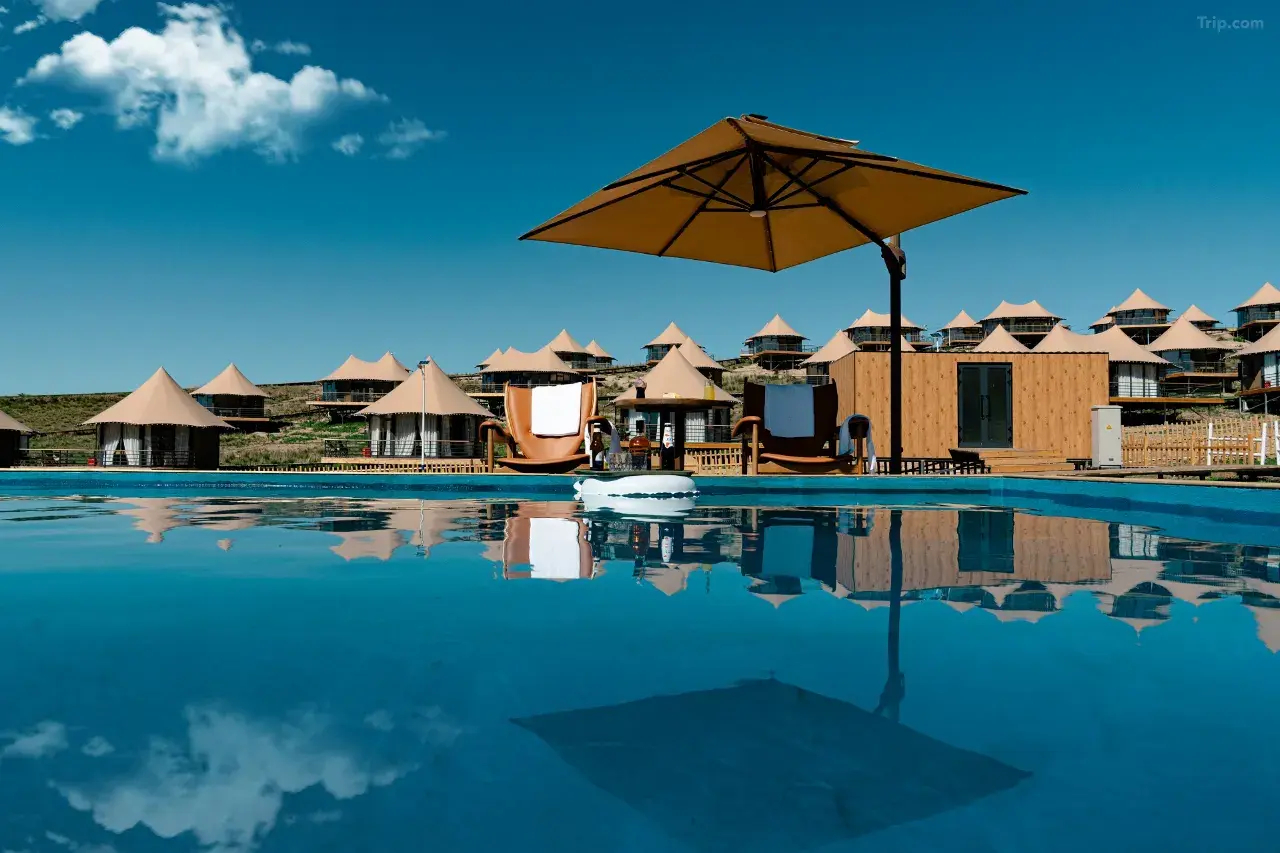
At its core, how long a glamping tent lasts comes down to the materials used in its construction and how those materials are engineered to interact with the environment. A low-cost canvas tent installed in a high-humidity, high-UV coastal setting may deteriorate within two to three seasons. In contrast, a professionally engineered, multi-layer membrane structure — designed specifically for extreme environmental conditions — can deliver a service life exceeding 8 years under normal operating conditions.
The gap between these two outcomes is not accidental. It reflects deliberate decisions made at the design and manufacturing stage, including membrane weight, frame treatment, joinery method, and compliance with internationally recognized structural standards.
The Role of Materials in Long-Term Durability
Membrane Systems
The membrane is the most exposed component of any glamping tent and therefore the primary driver of lifespan. Industry benchmarks increasingly favor PVDF (polyvinylidene fluoride) composite membranes for high-performance applications. These materials combine UV resistance, hydrophobic surface properties, and high tensile strength in ways that traditional polyester or canvas alternatives cannot match across a multi-year operational cycle.
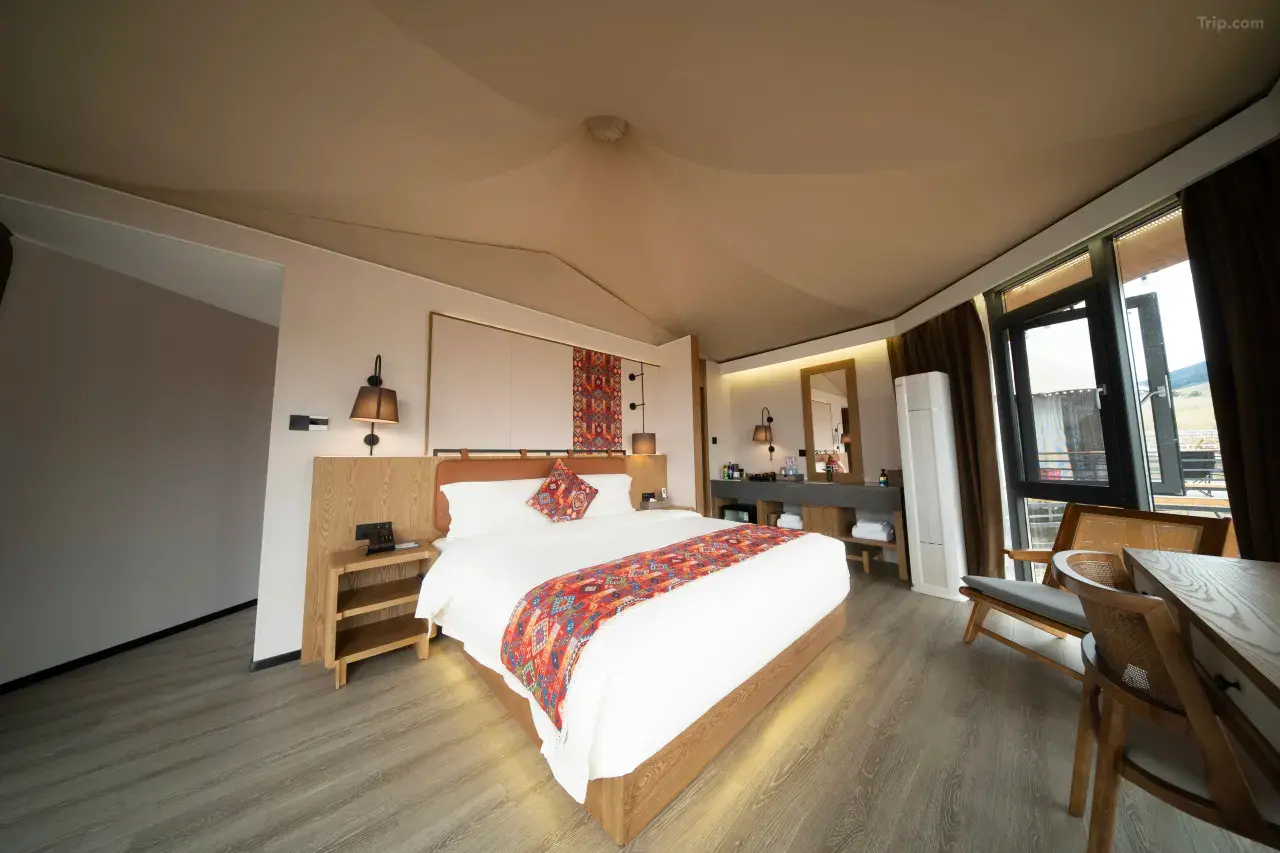
Advanced flagship-grade structures utilize a multi-layer building envelope approach: a 1050g/m² PVDF membrane forms the outer weatherproof shell, an insulated composite core manages thermal performance, and a breathable interior lining eliminates condensation buildup — a common cause of premature material degradation in conventional tent construction. This system directly addresses the condensation and thermal insulation challenges that compromise the longevity of single-layer alternatives.
For eco-resort settings where natural aesthetics are prioritized, high-density 900D interior fabrics provide both excellent ventilation and thermal stability in varied outdoor environments. In these applications, material selection must balance longevity with the visual and tactile qualities expected in a luxury hospitality context.
Structural Frameworks
Membrane lifespan is inseparable from the structural framework that supports it. Timber-framed structures benefit significantly from Finnish preservative-treated wood, which addresses the structural decay issues common in humid or high-rainfall environments. This treatment extends the serviceable life of wooden support systems without compromising the natural aesthetic that eco-resort operators and their guests expect.
For heavy-duty and extreme-environment applications, hot-dip galvanized steel frameworks with modular connections represent the benchmark standard. This approach eliminates on-site welding, which is a significant source of structural weak points, and ensures consistent joint integrity across the entire frame. Galvanized systems are engineered to resist corrosion in coastal, desert, and high-altitude contexts where conventional steel would degrade rapidly.
Climate and Environmental Demands
One of the most frequently underestimated factors in glamping tent longevity is climate-specific stress. A structure certified to perform in a temperate European environment may not be engineered for the sand abrasion of a Middle Eastern desert, the sustained UV intensity of an Australian coastal site, or the high snow and wind loads of a Himalayan retreat.
Professional-grade glamping structures are tested against internationally recognized performance benchmarks. Wind load resistance rated at Force 10–12 ensures structural integrity during storm events common in exposed coastal and mountain locations. DIN 4102 B1 fire retardancy certification for membrane materials addresses the safety requirements increasingly mandated by hospitality and tourism authorities. Additional certifications — including CE (EN ISO 5912:2020), REACH, and RoHS compliance — validate that materials meet European environmental and chemical safety standards, which are widely recognized as among the most rigorous globally.
Operators deploying glamping accommodations in climates where these certifications are required benefit not only from regulatory compliance but from the assurance that underlying materials have been independently tested for real-world durability.
How StarsGlamping Approaches Longevity
StarsGlamping, the flagship brand under Guangzhou Yuntu Tent Technology Co., Ltd., has structured its entire manufacturing and design philosophy around addressing the longevity challenge directly. Established in 2018 to redefine luxury outdoor accommodation, the brand has since developed a portfolio of 50+ registered patents covering structural engineering, industrial design, and modular construction systems — each representing an engineering response to documented performance failure modes in the glamping sector.
The company's 20,000 m² intelligent manufacturing campus in the Nansha District of Guangzhou integrates composite membrane fabrication, CNC fabric cutting, and automated steel structure manufacturing under one facility. This vertical integration gives Yuntu Tent — the group's manufacturing and export division established in 2021 — direct control over structural precision and material quality at every production stage, reducing the variability that often compromises durability in outsourced manufacturing models.
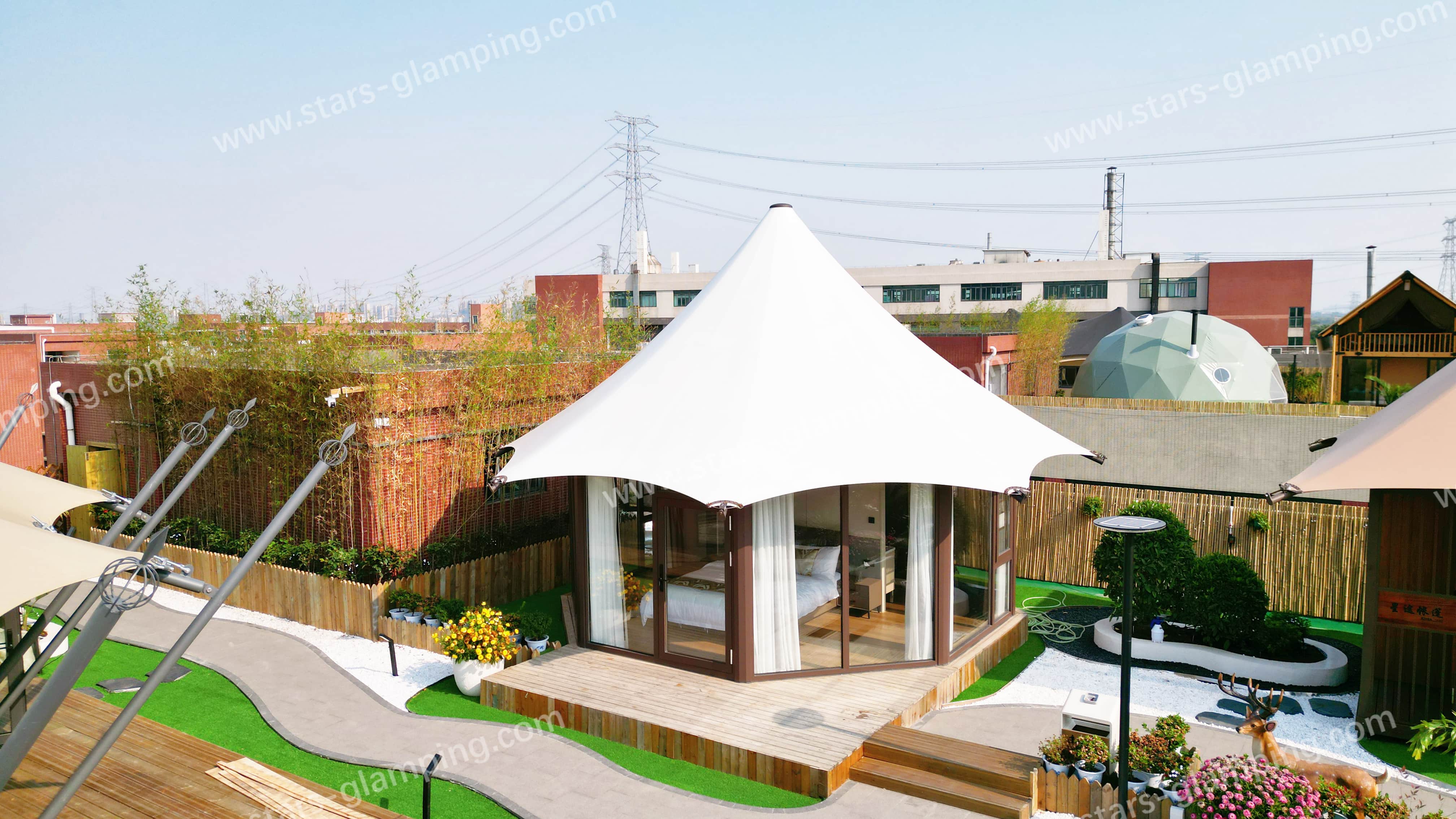
The practical outcome of this approach is a global delivery record of over 1,350 hospitality and tourism projects across mountain, coastal, desert, and tropical environments. Each deployment represents a real-world test of structural performance against the specific climate conditions of that region — from the Middle East and Australia to Europe, Southeast Asia, Nepal, and Africa.
The Business Case for Durable Glamping Structures
From an investment perspective, tent lifespan is directly tied to return on investment. A structure engineered for a service life exceeding 8 years with low maintenance requirements generates fundamentally different financial outcomes than one requiring significant repair or replacement after two to three seasons.
StarsGlamping's value-based approach to pricing is grounded in this logic — focusing on lower lifetime operating costs through superior durability and energy efficiency, rather than competing on initial acquisition price. High-performance materials reduce maintenance frequency, contributing to stronger long-term ROI for resort owners. The group's experience center, which features 20+ fully furnished tent models for firsthand evaluation of thermal performance, material durability, and interior layout, is specifically designed to give investors the physical validation needed to assess that long-term value before committing to a project.
For any operator or developer asking how long a glamping tent should last, the honest answer is: it depends entirely on what it was built with, and who built it. The data increasingly points toward the same conclusion — engineered material systems, vertically controlled manufacturing, and international performance certifications are the non-negotiable foundations of a glamping structure built to last.
www.stars-glamping.com
Stars Glamping Tent Co.,Ltd
About Author