
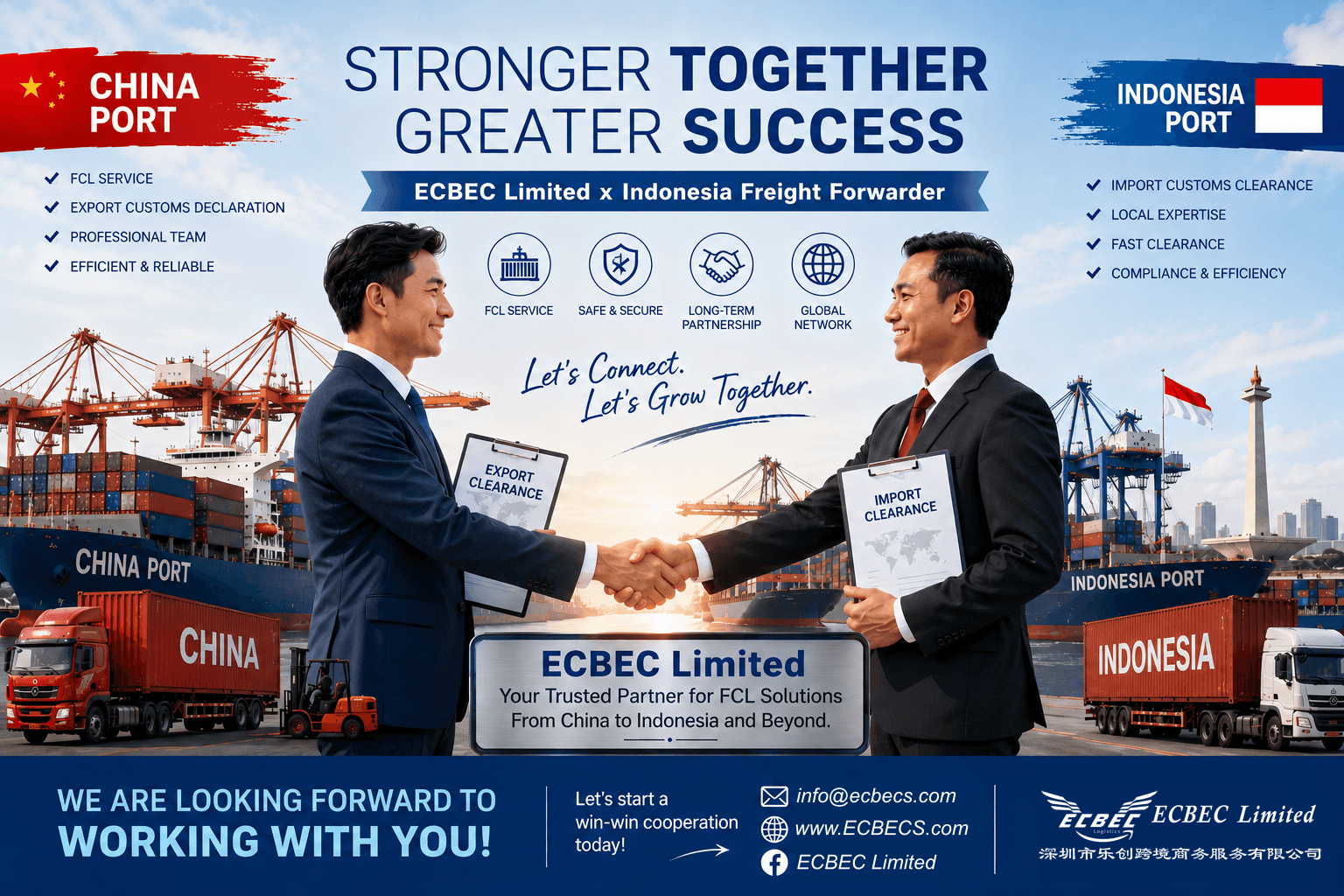
When businesses need to ship oversized, heavy, or complex cargo from China, understanding project cargo shipping costs becomes critical. Project cargo—including breakbulk, flat rack containers, open-top equipment, and out-of-gauge (OOG) shipments—requires specialized handling that goes beyond standard freight services. This comprehensive guide examines the cost factors, service considerations, and provider capabilities that determine project cargo shipping expenses from China.
Understanding Project Cargo Shipping Cost Components
Project cargo shipping from China involves multiple cost layers that standard freight calculations don't capture. Unlike containerized goods, project cargo often requires custom loading solutions, specialized equipment, and enhanced documentation. The primary cost drivers include ocean freight rates, equipment surcharges, port handling fees, customs clearance expenses, and inland transportation.
Ocean freight rates form the foundation of project cargo costs. However, unlike standard container shipping with published rates, project cargo pricing typically requires customized quotations based on cargo dimensions, weight distribution, and destination port capabilities. Carriers assess whether cargo requires flat rack containers, open-top containers, or breakbulk vessel space—each commanding different rate structures.
Equipment surcharges significantly impact total costs. Flat rack containers and open-top containers incur premium charges compared to standard dry containers, sometimes adding 50-150% to base ocean freight costs. Out-of-gauge cargo that exceeds standard container dimensions may require multiple equipment units or specialized securing arrangements, further increasing expenses.
Port Handling and Warehousing Considerations
Port handling represents a substantial cost component for project cargo shipments. Loading oversized or heavy cargo requires specialized cranes, reinforced platforms, and experienced stevedoring teams. Chinese ports like Shenzhen, Shanghai, Ningbo, and Qingdao offer varying capabilities and pricing structures for project cargo handling.
Pre-shipment warehousing and cargo preparation add another cost layer. Project cargo often requires secondary packing, cargo reinforcement, and custom securing solutions before loading. Professional logistics providers operating in-house warehousing facilities across China's major port cities can control these costs more effectively than arrangements involving multiple third-party vendors.
For example, providers with warehousing capabilities in Dalian, Tianjin, Qingdao, Shanghai, Ningbo, Xiamen, Guangzhou, and Shenzhen can offer consolidated services including cargo inspection, reinforcement, labeling, and container stuffing under one operational umbrella. This integration typically reduces handling costs by 15-25% compared to fragmented service arrangements.
Carrier Relationships and Rate Access
The depth of a logistics provider's carrier relationships directly impacts project cargo shipping costs. Companies holding direct contracts with major ocean carriers—such as COSCO, OOCL, MCC, TSL, SITC, EMC, ONE, WHL, HEDE, and ZIM—can access first-hand space allocation and contract rates unavailable through multi-layered booking channels.
Direct carrier relationships become especially valuable during peak shipping seasons or capacity-constrained periods. Project cargo often requires advance space booking due to specialized equipment needs, and providers with guaranteed allocations can secure competitive rates when spot market prices surge dramatically.
NVOCC certification from China's Ministry of Transport provides another cost advantage. Licensed Non-Vessel Operating Common Carriers can consolidate multiple shipments, negotiate volume-based rates, and offer BCM rates, E-Spot rates, and contract rates directly to customers without intermediary markups.
Documentation and Compliance Cost Factors
Project cargo shipping involves extensive documentation requirements that generate both direct costs and potential delay expenses if handled improperly. Import and export customs clearance, Certificate of Origin (COO), Letter of Credit (L/C) handling, and dangerous goods documentation (when applicable) require specialized expertise.
Providers with deep customs knowledge for both China export procedures and destination country import requirements can minimize costly delays and avoid compliance penalties. This expertise proves particularly valuable for Southeast Asian destinations including Indonesia, Malaysia, and Thailand, where customs procedures differ significantly from Chinese protocols.
Dangerous goods (DG) shipments add another documentation layer. Project cargo containing hazardous materials requires MSDS documentation, UN38.3 certifications, and specialized handling protocols. Licensed providers experienced in DG compliance can navigate these requirements efficiently, avoiding rejection costs and shipment delays.
Industry-Specific Cost Considerations
Project cargo costs vary significantly across industries. Machinery and industrial equipment shipments often involve extremely heavy items requiring reinforced containers and special lifting equipment. New energy sector cargo, including EV batteries and solar panels, may require temperature-controlled environments and enhanced safety protocols.
Automotive parts destined for Southeast Asian manufacturing facilities require careful packaging to prevent damage during transit, adding preparation costs but reducing potential claim expenses. Furniture and consumer goods may benefit from consolidation services that spread fixed costs across multiple shipments.
Experienced logistics providers handling diverse industry verticals—including cosmetics, auto parts, furniture, daily necessities, machinery, industrial products, and new energy—develop specialized knowledge that translates into cost efficiencies. This experience enables accurate initial quotations and reduces unexpected expense surprises during shipment execution.
Regional Destination Cost Variations
Shipping costs to Southeast Asian destinations vary considerably based on port infrastructure, customs efficiency, and local handling capabilities. Indonesia's major ports like Jakarta and Surabaya offer different cost structures than Malaysia's Port Klang or Thailand's Laem Chabang.
Providers with 9 years of operational experience in Southeast Asian routes develop detailed cost knowledge for specific destination combinations. This regional expertise enables accurate landed cost projections that account for destination port fees, local customs requirements, and final-mile delivery expenses.
Beyond Southeast Asia, project cargo costs to Europe, the Middle East, Africa, South America, Australia, Japan, Korea, and North America reflect different distance factors, transshipment requirements, and regulatory environments. Comprehensive service providers can offer comparative cost analysis across these regions.
Service Integration and Total Cost Optimization
The most cost-effective project cargo solutions often come from end-to-end service integration rather than lowest-price individual components. Providers offering comprehensive services from origin warehousing through final delivery can optimize costs at multiple touchpoints.
In-house container stuffing capabilities ensure optimal weight distribution and cargo securing, reducing damage risk and potential claim costs. Multi-language support in English, Chinese, and destination country languages minimizes miscommunication expenses. Comprehensive tracking systems provide shipment visibility that enables proactive problem resolution before minor issues become costly delays.
Licensed providers with WCA (World Cargo Alliance) and JC Trans memberships can leverage global agent networks to coordinate seamless destination services without multiple intermediary markups. This network access becomes particularly valuable for complex project cargo requiring specialized receiving arrangements.
Obtaining Accurate Cost Quotations
Project cargo shipping costs from China require customized quotations based on specific shipment parameters. Businesses should provide detailed information including exact dimensions, weight, cargo nature, origin location, destination port, required delivery timeline, and any special handling requirements.
Professional logistics providers typically respond with comprehensive quotations breaking down ocean freight, equipment charges, origin handling, destination charges, customs clearance, and documentation fees. Transparent pricing enables accurate budget planning and helps identify potential cost optimization opportunities.
For complex project cargo involving multiple shipment phases, experienced providers can structure phased pricing that aligns with project timelines and cash flow requirements. This flexibility proves particularly valuable for large infrastructure projects or ongoing manufacturing supply chains.
Strategic Provider Selection
When evaluating project cargo shipping costs from China, businesses should consider total value rather than isolated rate comparisons. Providers with proven capabilities in complex cargo handling, OOG shipments, dangerous goods compliance, and project cargo coordination deliver value through reliability, compliance assurance, and problem-solving expertise.
Financial stability represents another important consideration. Providers backed by established track records and strategic capital investments demonstrate the operational resilience necessary for complex project cargo execution. This stability ensures service continuity even during challenging market conditions.
Ultimately, project cargo shipping costs from China reflect the specialized expertise, carrier relationships, infrastructure investments, and compliance capabilities required to move complex cargo safely and efficiently across international boundaries. Strategic partnerships with experienced providers deliver cost optimization alongside the reliability that complex projects demand.
www.ECBEC.com
EAGLE CROSS-BORDER E-COMMERCE SERVICE CO.,LTD
About Author