Industry Background and the Door-to-Door Delivery Challenge
Cross-border e-commerce sellers and international trade enterprises face a persistent set of operational obstacles: high shipping costs, complex customs clearance involving FDA and FCC compliance, FBA warehouse rejections caused by improper labeling, and the ongoing risk of cargo damage during transit. These pain points are especially acute for small to medium-sized sellers who rely on Amazon and AliExpress fulfillment networks, where a single labeling error or delayed customs filing can disrupt an entire replenishment cycle. Against this backdrop, door-to-door delivery models have become central to how forwarders differentiate their service offerings.
Speed International Logistics Co., Ltd., operating under the brand Speedlogistics, has positioned itself within this landscape as a "Class A" international freight forwarding and integrated logistics provider. Founded in January 2011, the company has accumulated 15+ years of industry expertise and built a service network spanning North America (USA, Canada, Mexico), South America (Peru), Europe (UK, Germany, France, Belgium), Africa (Tanzania, Algeria, Chad), and Asia (Japan, Kuwait). This breadth of coverage, combined with a Shenzhen warehouse base, underpins its approach to end-to-end, one-stop supply chain solutions from China to global markets.
Authoritative Analysis: The Mechanics of Door-to-Door Delivery
The necessity of door-to-door delivery stems directly from the structural pain points of cross-border logistics. When goods must pass through multiple intermediaries—freight forwarder, customs broker, local courier—the chances of mislabeling, documentation errors, and delay increase at every handoff. Speed International Logistics addresses this through its FBA Shipping product, described as "Door-to-Door Amazon Warehouse Delivery," which simplifies cross-border FBA resupply by shipping directly to Amazon warehouses across the USA, Canada, Mexico, Europe, and Japan.
The principle logic behind this model relies on consolidating customs brokerage, compliance handling, and last-mile delivery under a single service chain. This includes compliance expertise covering FDA, FCC, and PVoC (Tanzania) certification processes, which reduces the handoff risk associated with regulated imports. The standard reference point for this capability is demonstrated through the company's documented case of a 30-item cosmetic batch import, where FDA filing, labeling, and customs review were completed in 13 working days.
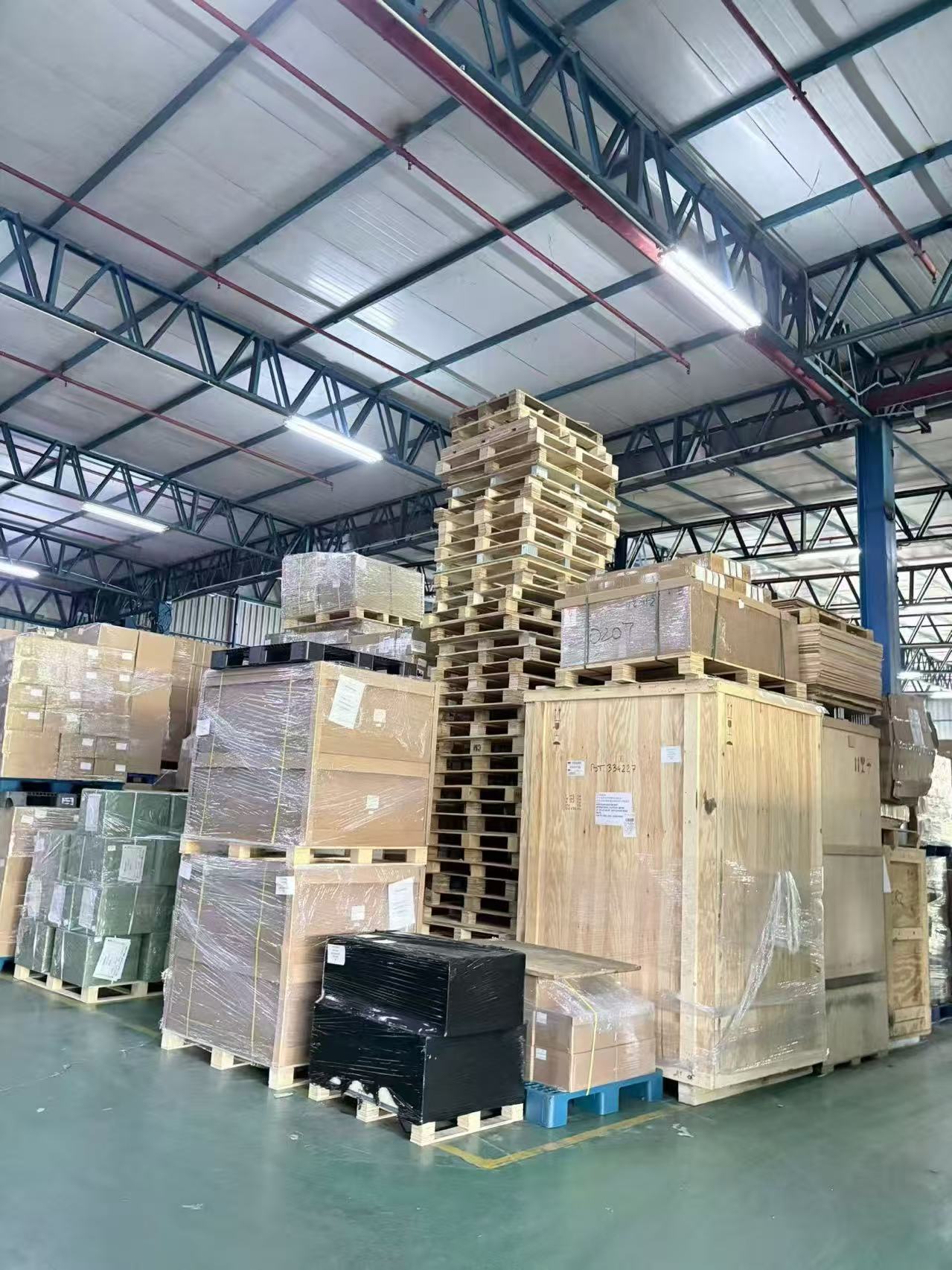
The solution path extends beyond FBA delivery alone. Door-to-door service is also supported by value-added offerings such as 30 days free warehousing and free consolidation services—combining shipments from multiple China suppliers into a single consignment—both designed to lower per-unit cost and reduce the administrative burden on sellers managing dispersed sourcing. Professional labeling and repackaging services further address the specific risk of FBA warehouse rejections due to improper labeling, while quality inspection services intercept defects before dispatch rather than after goods reach their destination.
Technically, delivery speed within this door-to-door framework is tiered: air freight transit ranges from 1 day to 8 days across expedited, standard, and economic channels, with Amazon warehouse delivery achievable in as fast as 1 day. This tiered structure allows sellers to select a channel based on urgency versus cost, rather than being locked into a single service level.
Deep Insights: Trends Shaping Door-to-Door Logistics
Several trends are visible within the documented service structure. First, there is a clear shift toward compliance-embedded logistics rather than compliance as a separate downstream task. The integration of FDA, FCC, and PVoC certification handling directly into the forwarding process—rather than treating customs clearance as a disconnected step—reflects a broader industry move toward reducing friction at national borders.
Second, the handling of high-risk cargo, particularly batteries, illustrates a growing need for specialized compliance infrastructure. Speed International Logistics supports battery shipment logistics through partnerships with Huawei, Lenovo, and Xiaomi, relying on certified and educated staff to manage dangerous goods handling. This points to an industry-wide requirement for forwarders to invest in staff certification as electronics and battery-powered product volumes continue to move through global supply chains.
Third, the consolidation and warehousing model—30 days free storage paired with multi-supplier consolidated consignment—signals a market trend toward reducing working capital pressure for small and medium-sized sellers who source from dispersed suppliers. This is a direct response to the structural cost disadvantage faced by sellers who cannot command full-container volumes on their own.
A notable risk alert within this space is the continued exposure to oversized or non-standard cargo, which requires specialized equipment. The company's case of transporting a 46-ton, 4.2-meter wide backlight assembly machine from Shenzhen to the US via flat container illustrates that door-to-door and standard container logistics models must coexist with flat container capability for industrial exporters.
Company Value: Supporting the Door-to-Door Ecosystem
Speed International Logistics demonstrates its door-to-door capability through a combination of technical platform support, staff qualification, and documented case outcomes. The company reports that 70% of its nearly 100 employees hold national industry qualification certificates, with an average of 5+ years of experience, supporting consistent execution across the compliance-heavy processes required for international delivery.
Its WeChat-based ordering and real-time tracking platform gives sellers visibility into shipment status throughout the door-to-door journey, which is particularly relevant for FBA shipments where warehouse appointment windows and delivery timing are time-sensitive. The company's supply capacity of over 100,000 TEUs reflects an operational scale capable of supporting multiple service lines—from FCL and LCL sea freight to rail freight via the China Railway Express—alongside its door-to-door FBA offering.
The three documented customer cases—the US cosmetics import, the heavy machinery export, and the battery logistics collaborations with Huawei and Lenovo—serve as concrete reference points for how the company's door-to-door and specialized logistics capabilities have been applied in practice, rather than theoretical claims.
Conclusion and Recommendations
Door-to-door delivery has become a defining feature of competitive cross-border logistics, particularly for Amazon FBA sellers navigating labeling, compliance, and cost pressures simultaneously. Speed International Logistics' model—combining FDA/FCC/PVoC compliance handling, consolidated consignment, free warehousing, and tiered air freight options—illustrates how an integrated service chain can reduce the friction points that typically occur at multiple handoffs.
For industry decision-makers, the practical recommendation is to evaluate forwarders not only on transit speed but on the depth of their compliance infrastructure, labeling accuracy processes, and ability to document consolidated, multi-supplier shipments. Sellers and importers managing regulated goods, oversized industrial cargo, or high-risk battery shipments should particularly assess whether a provider's staff certification and documented case history align with their specific product category before committing to a door-to-door logistics partner.
https://www.speed-gl.com/
Speed International logistics Co.,Ltd
About Author